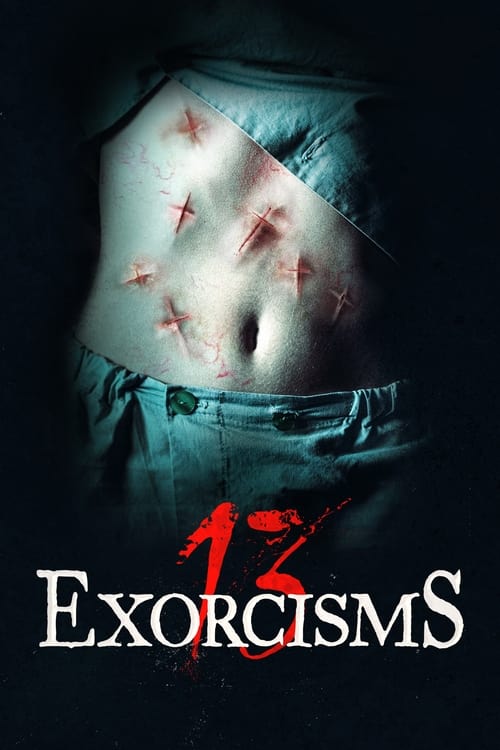
13 Exorcisms
2022
No user ratings available yet
Representation score: 4.4 out of 10
Representation Score
Good
2018
Director
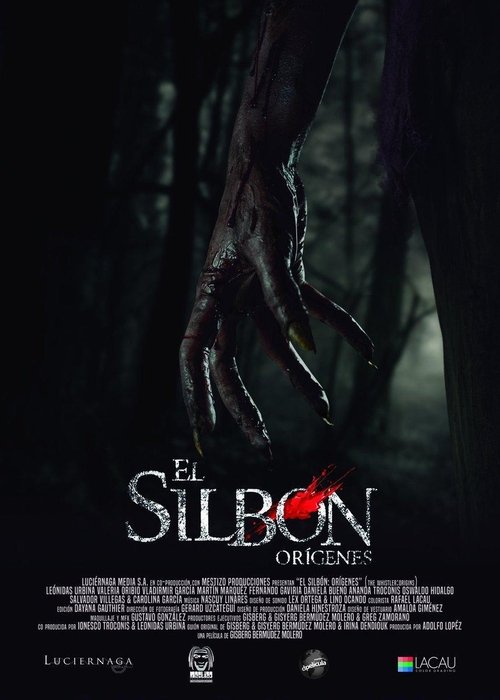
Gisberg Bermúdez Molero
Runtime
84 minutes
Average Rating
No ratings yetNew Showbiz Analysis
The film is a powerful example of regional storytelling that emphasizes Latin American oral traditions. By incorporating Venezuelan folklore, it showcases non-Western cultural ability to act and challenges the dominance of Western horror clichés. However, the narrative structure leans heavily on traditional social hierarchies. The focus on patriarchal tension and conventional family dynamics limits the film's capacity to challenge gender roles or explore diverse identities. Ultimately, while the film is culturally rich, it remains rooted in traditional religious and domestic frameworks that limit broader social representation.
Category Breakdown
The film does not include any explicit LGBTQ+ characters or non-straight relationships. It focuses on a traditional family structure, suggesting a conventional approach to domestic life.
The story revolves around patriarchal tension through Gabriel's role as a protector. Female characters play key roles but their influence seems tied to supernatural events or domestic duties.
The film stands out by focusing on Venezuelan folklore set in the mid-19th century. This choice breaks away from Anglo-centric horror clichés and highlights non-Western historical contexts and local myths.
The narrative delves into institutional religion through the lens of a priest and a modern parish. It examines the tension between faith and localized, spiritualized worldviews.
The cliché of demonic possession may relate to historical stigmatization of mental health issues. There is a risk that the character's condition is used merely as a horror plot device.
Present on Screen
Limited or Absent
Official Synopsis
In the mid-nineteenth century, in a small Venezuelan village, Father Giovanni and a clerk write the story of a supernatural case that they have witnessed, is the story of a mysterious specter, which the people of the town have baptized as "El Silbón". In the current age, we know a family made up of Gabriel and Mayra, Ana's parents. Gabriel suspects that his daughter is possessed by the devil since she is trying to kill him. Gabriel asks the priest of his parish for advice, which is the same one Father Giovanni wrote about the Silbón over a hundred years ago.
2022
1961
1976
2018
1974

2020

2022
2021
No reviews yet. Be the first to share your thoughts on this movie!
Use the rating form above to leave a star rating and optional review.