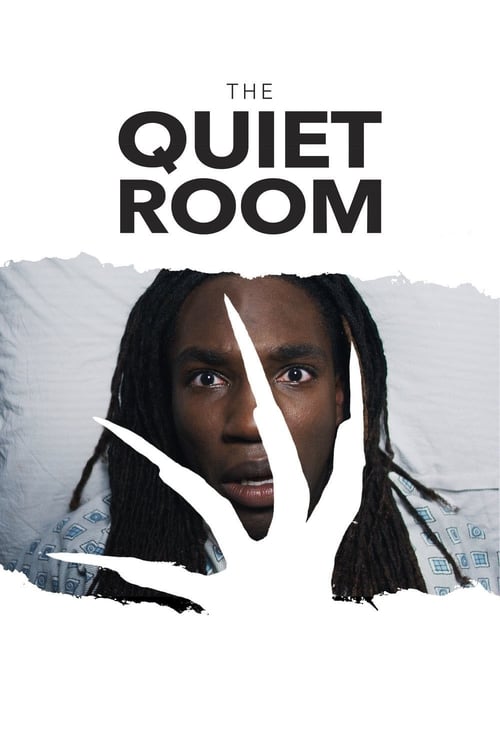
The Quiet Room
2018
No user ratings available yet
Representation score: 3.5 out of 10

Representation Score
Limited
2020
Director
Santiago Alvarado
Runtime
93 minutes
Average Rating
No ratings yetNew Showbiz Analysis
The film follows a conventional horror structure centered on religious conflict and moral guilt. The narrative relies on established genre clichés, such as a haunted priest and a possessed daughter, rather than exploring multiple aspects of identity. Because the story focuses on a singular male protagonist and a female secondary character, the gender dynamics remain traditional. There is no evidence of racial, ethnic, or LGBTQ+ representation within the available plot details. Ultimately, the film prioritizes supernatural tension over social complexity, resulting in a narrow narrative scope.
Category Breakdown
There are no LGBTQ+ characters or themes in the film. The narrative does not include any non-straight or non-cisgender identities.
The story centers around a male priest and a female daughter. It does not challenge traditional gender roles or hierarchies.
There is no information provided about the racial or ethnic makeup of the cast or the setting.
The plot relies heavily on traditional religious clichés like sin and possession. Religious iconography is used as a central device without critiquing institutions.
Possession serves as a supernatural metaphor for losing control. It is unclear if this explores disability with nuance or uses it as a horror device.
Present on Screen
Limited or Absent
Official Synopsis
In this horror movie, a retired priest haunted by his sins is pulled back into the darkness when a friend begs him to help his possessed daughter.
2018

2019
2020
2024

2012

2016
2016
2010
No reviews yet. Be the first to share your thoughts on this movie!
Use the rating form above to leave a star rating and optional review.