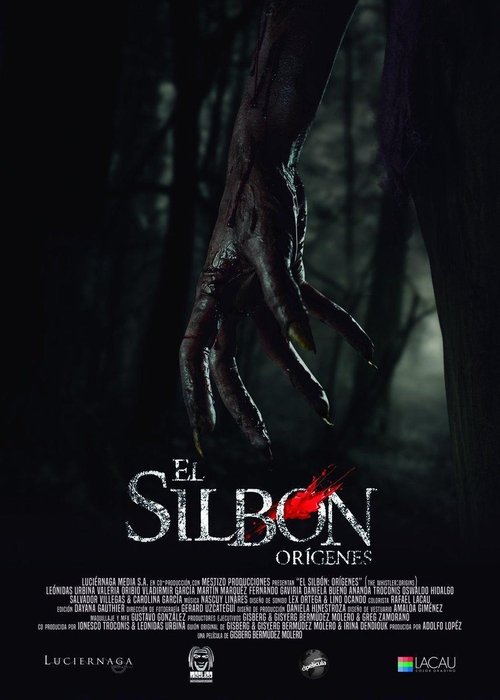
The Whistler: Origins
2018
No user ratings available yet
Diversity score: 5.4 out of 10
2021
Director
Arsalan Amiri
Runtime
94 minutes
Average Rating
No ratings yetSynopsis
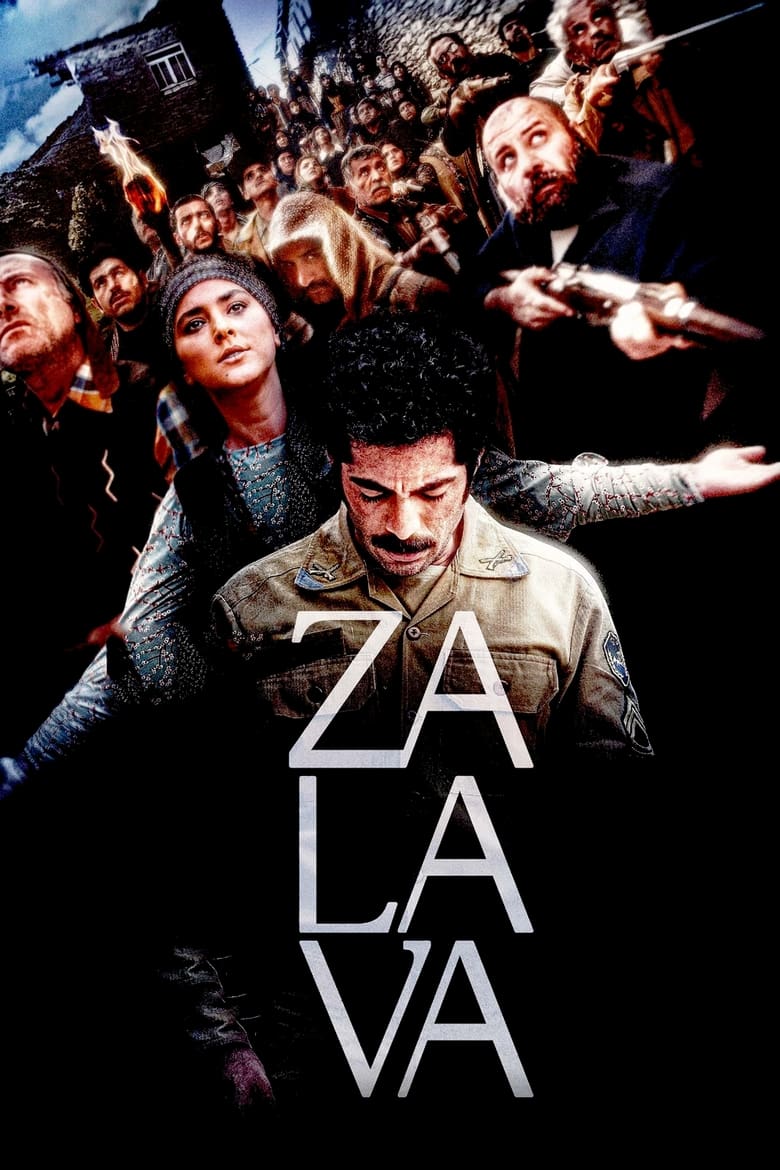
In 1978, the inhabitants of Zalava, a small village in Iran, claim that there is a demon among them. While investigating the strange case, Massoud, a young police sergeant, crosses paths with an exorcist.
Overall Score
Good
Category Breakdown
LGBTQ+ Representation
The film maintains a neutral baseline regarding LGBTQ+ identities. There is no explicit evidence of non-cisnormative characters within the current narrative focus.
Gender Representation
The story centers on a male police sergeant and an exorcist. While female agency is not detailed, the genre offers potential for subverting traditional roles.
Racial & Ethnic Diversity
The film excels by centering a non-Western Iranian village. This setting challenges Western-centric storytelling by providing ethnic specificity and agency to a Middle Eastern population.
Religious & Cultural Diversity
The narrative prioritizes local spiritualities and communal truths. It explores the friction between traditional belief systems and institutional authority within a specific historical context.
Disability Representation
There is no documented evidence regarding the portrayal of physical or neurodivergent disabilities in the film.
Strengths
Areas for Improvement
AI Analysis
Zalava distinguishes itself by rejecting a Western gaze, instead immersing the viewer in the specific socio-political and spiritual landscape of 1978 Iran. The film uses the horror genre to examine the tension between state authority and localized, traditional belief systems. By centering an Iranian village and its unique communal paranoia, the film provides significant ethnic and cultural agency. It moves away from Anglo-Saxon narrative structures to explore how institutional power interacts with spiritual realities. While the film is culturally rich, the narrative focus remains heavily centered on male figures. The lack of explicit information regarding gendered arcs or LGBTQ+ representation limits its overall diversity impact.
2018
2018
2019
2020
2016
2018
2021
2019
2022
1961
2017
2012
No reviews yet. Be the first to share your thoughts on this movie!
Use the rating form above to leave a star rating and optional review.