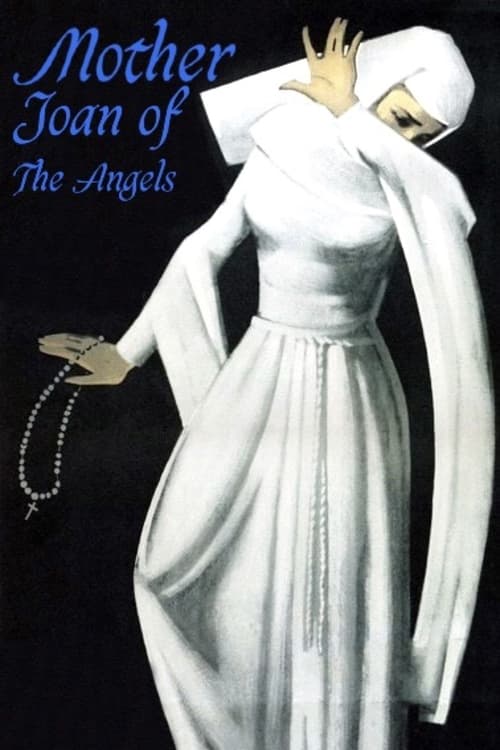
Mother Joan of the Angels
1961
No user ratings available yet
Representation score: 7.7 out of 10
Representation Score
Limited
1974
RDirector
Alberto De Martino
Runtime
112 minutes
Average Rating
No ratings yetNew Showbiz Analysis
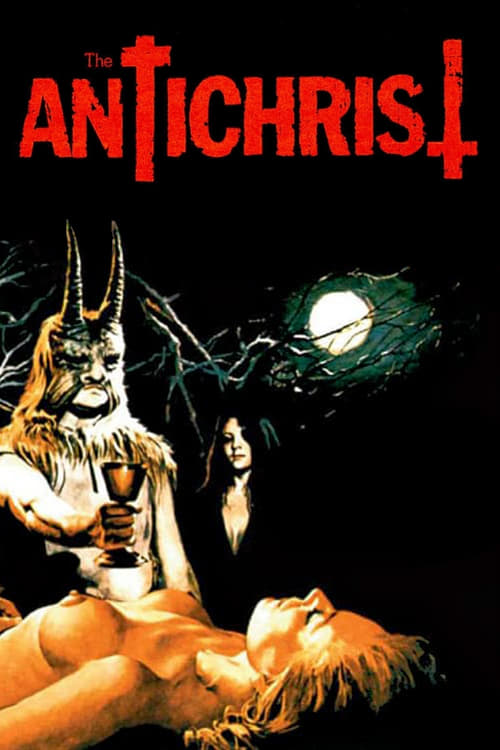
The Antichrist is a conventional 1970s Italian horror film that prioritizes stylistic tension and genre clichés over social commentary. It operates within a traditionalist framework, relying on established Gothic melodrama and religious tension rather than addressing multiple aspects of identity. The film's narrative structure is largely unconcerned with disrupting social hierarchies. Instead, it focuses on the execution of supernatural dread through archetypal characters and localized settings.
Category Breakdown
The film follows traditional Gothic horror frameworks focused on ancestral curses. It doesn't include any visible queer subtext or non-assuming gender matches what was assigned at birth gender identities.
Female characters often play the 'damsel in distress' role, characterized by vulnerability. Power dynamics reinforce traditional hierarchies where women have little control over their own lives, subsumed by patriarchal or supernatural forces.
The casting reflects a homogeneous demographic typical of 1970s Italian horror. It focuses on a localized, culturally specific aristocratic setting without diverse ensemble structures.
The narrative explores the tension between Catholic sanctity and occult transgression. It functions as a standard exploration of the sacred versus the profane.
Physical paralysis serves as a narrative catalyst for supernatural possession. The portrayal uses the character's condition primarily as a plot device to heighten dread.
Present on Screen
Limited or Absent
Official Synopsis
An Italian nobleman seeks help after his paralyzed daughter becomes possessed by the spirit of a malevolent ancestress.
1961

1963
1972
1977
2007
2012
1971

1976
No reviews yet. Be the first to share your thoughts on this movie!
Use the rating form above to leave a star rating and optional review.