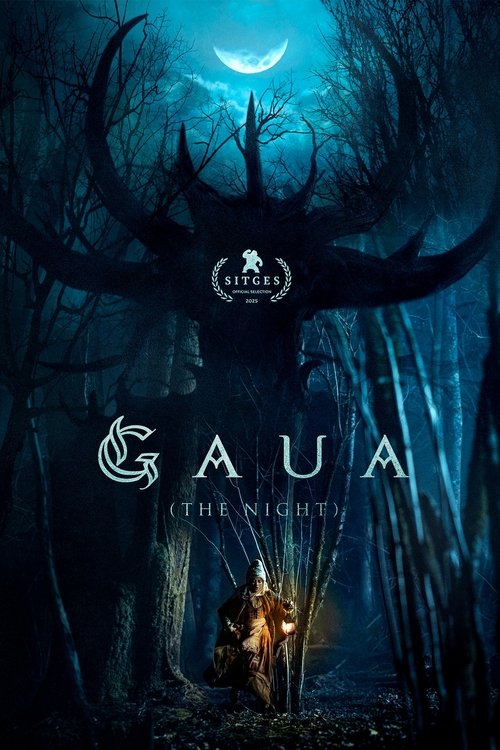
Gaua (The Night)
2025
No user ratings available yet
Representation score: 6.3 out of 10
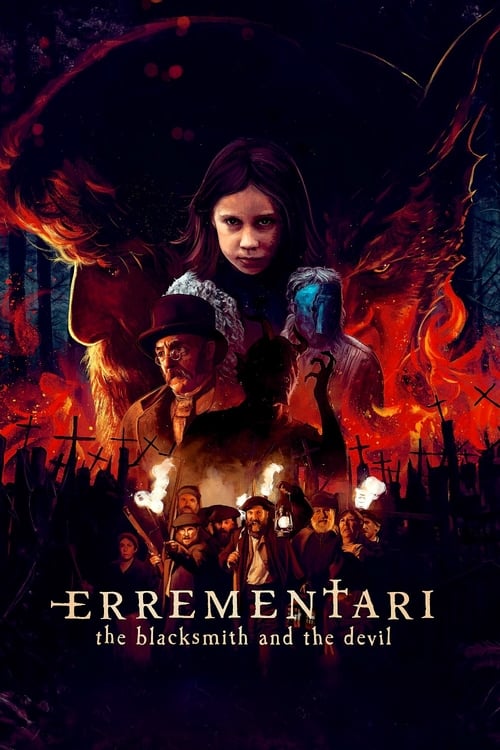
Representation Score
Limited
2018
TV-MADirector
Paul Urkijo Alijo
Runtime
98 minutes
Average Rating
No ratings yetNew Showbiz Analysis
Errementari is a specialized work that prioritizes cultural immersion over broad demographic inclusivity. It uses Basque mythology to destabilize traditional moral hierarchies. The film's strength lies in its cultural specificity, allowing Basque heritage to shape its mythic narrative. It critiques institutional authority and religious absolutism effectively. While the film lacks diverse identity representation, it succeeds in elevating non-Anglo-Saxon folklore, providing a strong sense of ethnic preservation and cultural visibility.
Category Breakdown
The film doesn't include any representation of LGBTQ+ identities or same-sex relationships. The story focuses on a male-centric battle against supernatural forces.
Set in a 19th-century patriarchal society, the story centers around the male blacksmith. Women play minor roles and don't drive the supernatural conflict.
The film highlights Basque identity and language effectively. Although the cast is ethnically uniform, it challenges Western-centric storytelling through regional specifics.
The narrative criticizes rigid religious beliefs by depicting the Devil through transactional, situational pacts. It prioritizes communal survival over strict Christian doctrine.
There is no evidence of physical or neurodivergent disabilities playing central roles in this work.
Present on Screen
Limited or Absent
Official Synopsis
Basque Country, Spain, 1843. A police constable arrives at a small village in Álava to investigate a mysterious blacksmith who lives alone deep in the woods.
2025
1967
2007
1921
2017
2021

2020
2020
No reviews yet. Be the first to share your thoughts on this movie!
Use the rating form above to leave a star rating and optional review.