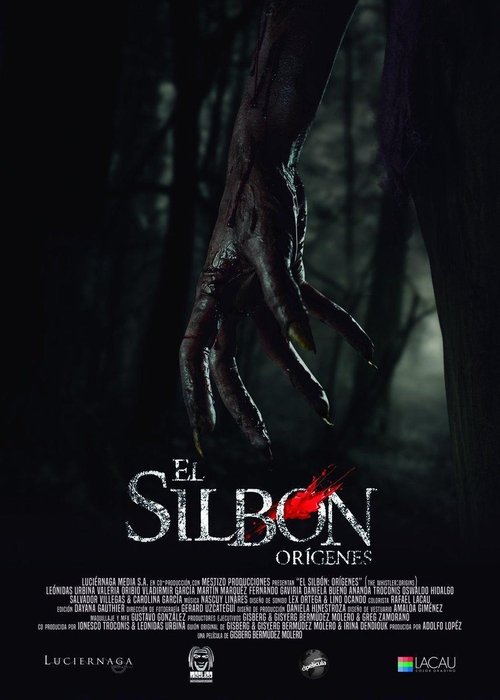
The Whistler: Origins
2018
No user ratings available yet
Representation score: 7.2 out of 10
Representation Score
Good
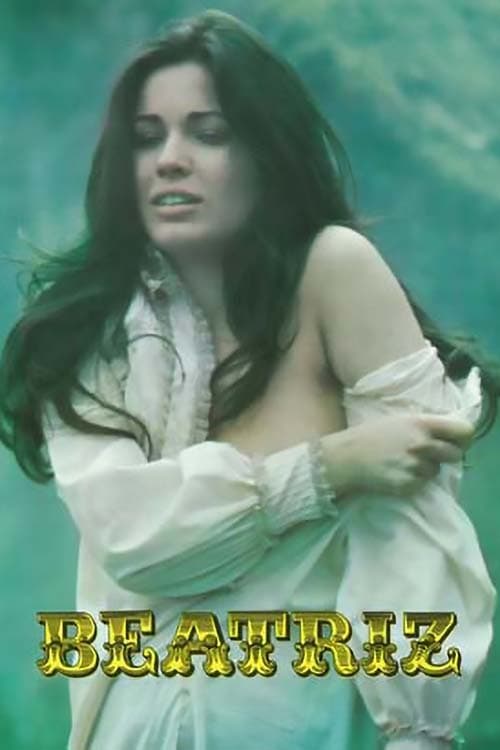
1976
Director
Gonzalo Suárez
Runtime
85 minutes
Average Rating
No ratings yetNew Showbiz Analysis
Gonzalo Suárez’s *Beatriz* is a character-driven drama that stands out by challenging traditional gender roles. By focusing on Beatriz, the film moves away from passive female archetypes to explore personal autonomy and desire. The film also offers a critical perspective on institutional power, particularly targeting the religious and social structures of the Spanish Golden Age. This adds intellectual depth to how individuals navigate dogmatic control. However, the film remains constrained by its historical setting, offering limited representation of LGBTQ+ and racial diversity. Additionally, the use of illness as a supernatural plot device prevents a deeper exploration of disability as a lived identity.
Category Breakdown
The film sets its story in a 16th-century context and explores passion and desire. However, it does not include explicit depictions of non-straight relationships or same-sex intimacy.
Beatriz is a central character who challenges the stereotype of the submissive historical heroine. The narrative gives her significant influence and focuses on her pursuit of independence against patriarchal control.
The cast primarily consists of white and European actors, reflecting the historical period of the Spanish Golden Age. The film does not employ diverse casting to challenge this demographic uniformity.
The storyline criticizes the Catholic Church and the strict social hierarchy of the 16th century. It emphasizes individual experience and moral relativism over the dogmatic authority of religious institutions.
An irreversible illness serves as a catalyst for supernatural events and themes of sacrifice. The condition functions more as a plot device than a detailed exploration of disability.
Present on Screen
Limited or Absent
Official Synopsis
A child is witness to an assault on a monk by the gang of Lorenzo the Fifth. The monk escapes and takes refuge in the estate of Doña Carlota, a countess who lives with her son Juan and daughter Beatriz. Basilisa, the maid, conjures the devil to free her son from an irreversible illness, but to do so the evil must be transmitted to an innocent soul, and for that she chooses Beatriz. The child begins to be the victim of a possession, for which everyone blames the monk.
2018
1961
1986

1977
1971
1961
1974
1971
No reviews yet. Be the first to share your thoughts on this movie!
Use the rating form above to leave a star rating and optional review.