Find another title
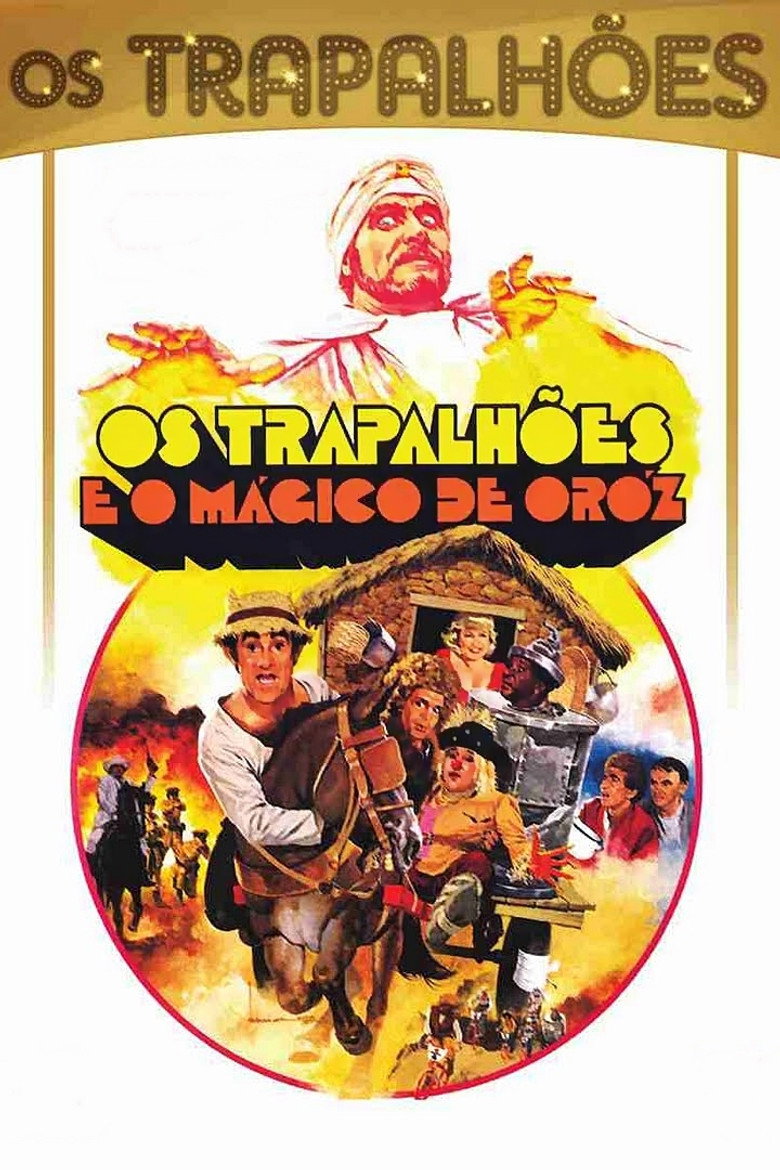
Os Trapalhões e o Mágico de Oróz
1984
Director
Dedé Santana, Victor Lustosa
Runtime
93 minutes
Average Rating
No ratings yetSynopsis
Didi, Soró and Tatu in search food and water head for the town of Oróz. On their journey they find a Scarecrow, a man in a metal vat, and later are arrested by a Lion Sheriff.
Where to Watch
Diversity & Representation
Overall Score
Limited
Category Breakdown
LGBTQ+ Representation
The film lacks LGBTQ+ characters or narratives addressing non-cisnormative identities. It adheres to the conventional comedic tropes of the 1980s.
Gender Representation
The story centers on a male-dominated ensemble. There is little evidence of female agency or the subversion of traditional gender hierarchies.
Racial & Ethnic Diversity
The inclusion of Mussum provides significant racial integration for the era. This multi-ethnic ensemble disrupts the homogeneity common in mainstream adventure films.
Religious & Cultural Diversity
The narrative uses a trickster style to disrupt local order and authority. It prioritizes survival and group loyalty within a fantasy setting.
Disability Representation
The film's reliance on physical caricature suggests a potential use of traditional tropes. There is no clear evidence of characters with disabilities possessing high agency.
Strengths
- The multi-ethnic ensemble provides progressive racial integration for the early 1980s.
- The trickster narrative style effectively challenges established authority figures through slapstick rebellion.
Areas for Improvement
- The film lacks representation for LGBTQ+ identities and non-cisnormative characters.
- The narrative is heavily male-dominated with little evidence of female agency.
- The comedic style may rely on physical caricatures rather than nuanced disability representation.
AI Analysis
The film stands out primarily for its racial integration, featuring a multi-ethnic lead cast that was progressive for 1984. This ensemble provides a level of inclusivity often missing from contemporary adventure cinema. However, the production remains limited by its era's traditional structures. The narrative is heavily male-centric and lacks any representation of LGBTQ+ identities or significant female agency. While the troupe's slapstick style challenges social authority through a trickster archetype, the film does not engage in deep intersectional subversion. It functions mostly as a localized fantasy reimagining.
Rate this Movie
Reviews
No reviews yet. Be the first to share your thoughts on this movie!
Use the rating form above to leave a star rating and optional review.