
Os Heróis Trapalhões: Uma Aventura na Selva
1988
No user ratings available yet
Representation score: 4.9 out of 10
Representation Score
Limited
1983
Director
Daniel Filho
Runtime
90 minutes
Average Rating
No ratings yetNew Showbiz Analysis
The film primarily serves as a regional adventure-comedy that emphasizes cultural identity over characters who reflect more than one aspect of diversity. While it lacks diversity in gender and sexual identity, it successfully centers the Brazilian Northeast. By focusing on the social dynamics of the cangaceiro movement and the life of a humble shepherd, the film offers a meaningful look at regional ethnic identities. However, the heavy reliance on masculine archetypes and the absence of diverse gender or LGBTQ+ roles limit its overall inclusivity.
Category Breakdown
The film does not include any explicit LGBTQ+ characters or narratives. It follows traditional comedic structures typical of the adventure-comedy genre of the 1980s.
The narrative centers on a male-dominated ensemble, featuring shepherds and bandits. Control over the plot is largely held by masculine archetypes, reinforcing a traditional gender hierarchy.
The film provides significant visibility to northeastern Brazilian identities. By centering the Sertão and the cangaceiro movement, it moves away from urban-centric perspectives.
The story challenges legal authority by framing outlaws and underrepresented figures as protagonists. It prioritizes regional survival and comedic rebellion over formal state structures.
There is no discernible information regarding the portrayal of physical or neurodivergent disabilities in this work.
Present on Screen
Limited or Absent
Official Synopsis
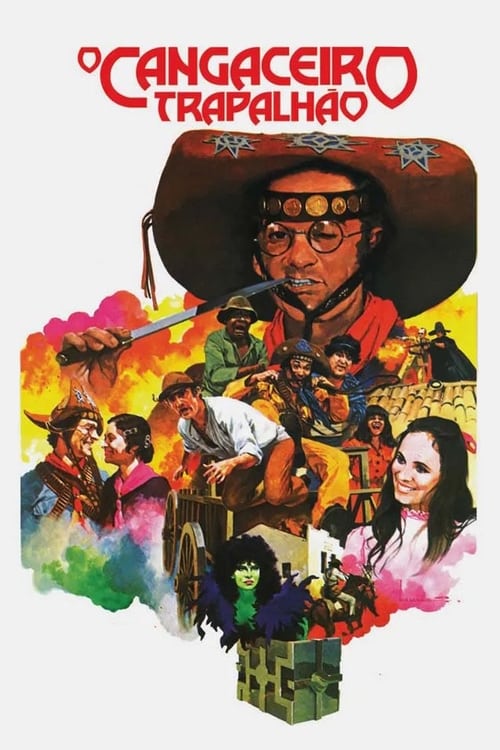
Severino do Quixadá (Renato Aragão), a humble northeastern shepherd of goats, rescues Captain Virgulano or simply Captain (Nelson Xavier) and his band of cangaceiros of an ambush armed by the lieutenant Zé Bezerra (Jose Dumont), its eternal persecutor. Captain escapes taking with him the mysterious box that he removed from the interior of the assaulted train in the city of Cajarana. Seeking to escape the shooting, Severino ends up finding himself in the cangaceiros' camp, along with the mishap friends Mussum and Zacarias who, taking advantage of the confusion, fled the chain.
1988
1969
1991

1984
1982
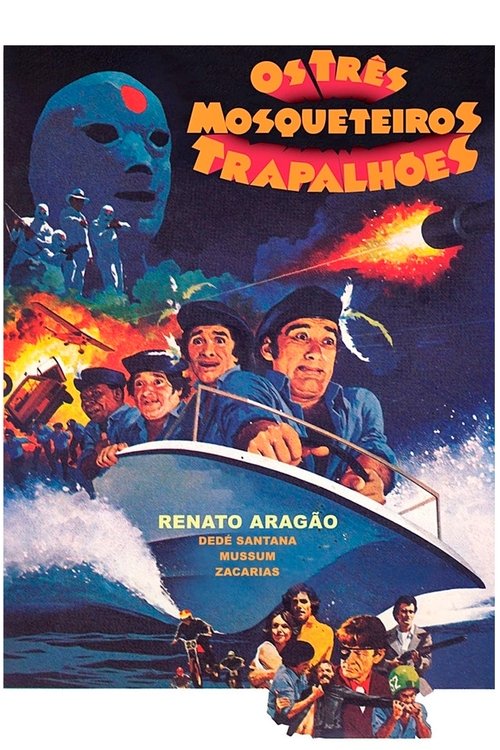
1980
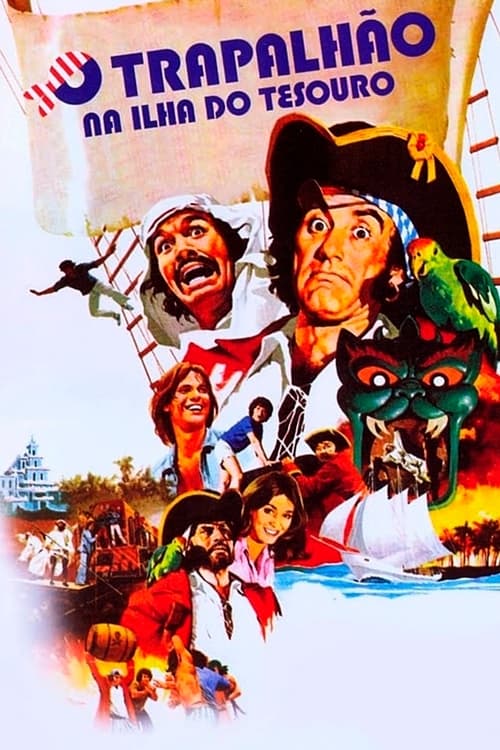
1975
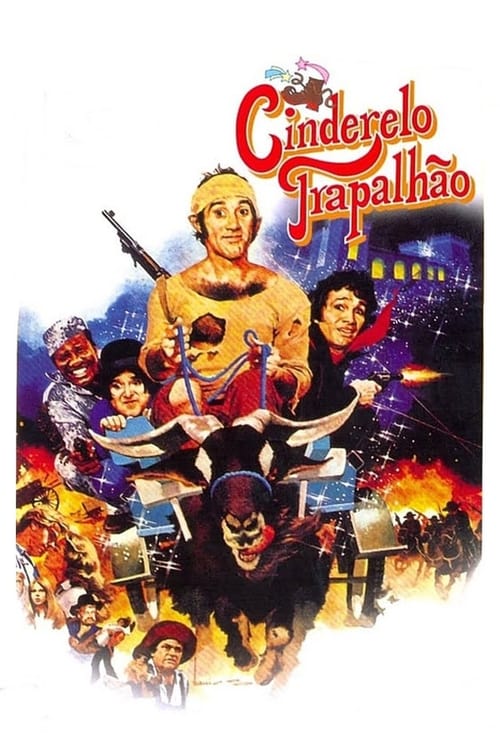
1979
No reviews yet. Be the first to share your thoughts on this movie!
Use the rating form above to leave a star rating and optional review.