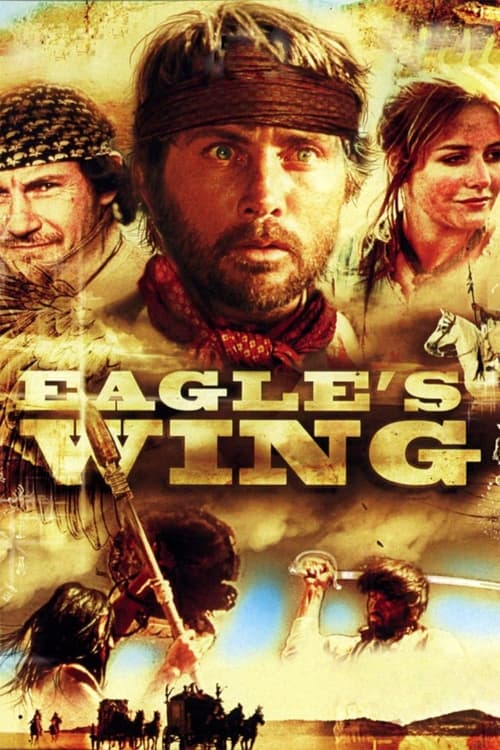
Eagle's Wing
1979
No user ratings available yet
Representation score: 1.9 out of 10
Representation Score
Limited
1979
TV-PGDirector
Donald W. Thompson
Runtime
68 minutes
Average Rating
No ratings yetNew Showbiz Analysis
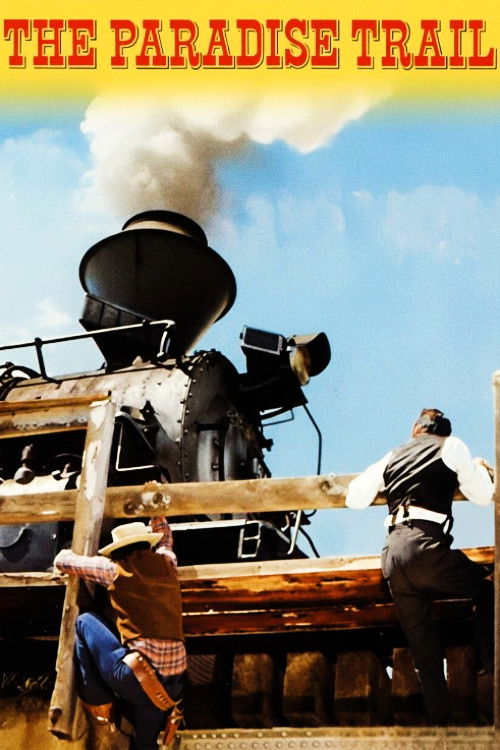
The Paradise Trail is a conventional 1970s Western that prioritizes genre clichés over social subversion. While the film includes diverse figures, such as an Indigenous girl and a blind preacher, these characters are integrated into a framework that reinforces the existing status quo rather than challenging it. Characters of color and those with disabilities are primarily used to drive the plot or heighten stakes, which prevents the film from offering deep, nuanced portrayals of identity or ability to act.
Category Breakdown
There are no LGBTQ+ characters or themes in the film. The interpersonal dynamics follow a traditional framework typical of the era.
Linda Evans plays a central role, but the film maintains a traditional gender hierarchy. Her role aligns with frontier survivalist clichés rather than challenging masculine authority.
Mexican and Indigenous characters appear but have limited roles. They primarily serve as plot catalysts or hostages within an Anglo-centric narrative structure.
The story reinforces standard Western values and frontier justice. It avoids systemic critiques, instead relying on established archetypes of lawmen and outlaws.
A blind preacher is included as a key character. However, his disability functions mostly as a plot device to increase tension during the hostage crisis.
Present on Screen
Limited or Absent
Official Synopsis
In a small western town in the late 1800′s, two outlaws take a blind preacher, his wife and an Indian girl as hostages in their flight from the law. Excitement mounts when Dan, one of the outlaws makes a shocking discovery. The last train to Cortez lays bare the agony that torments Dan but the train brings an unexpected surprise.
1979

1957
1974
1960
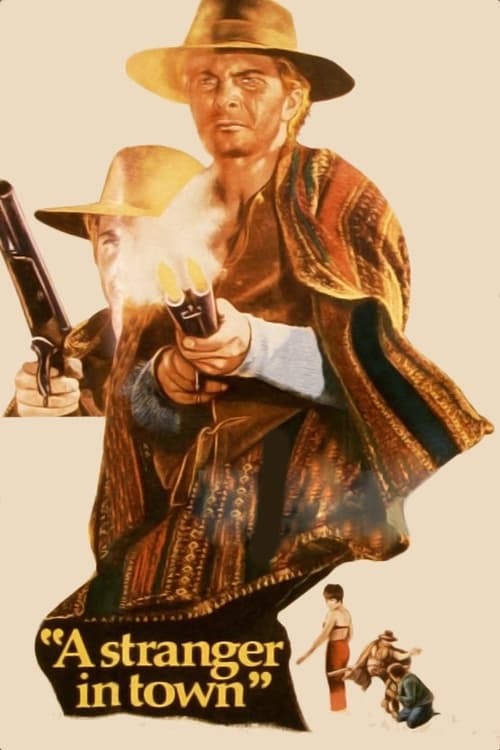
1967
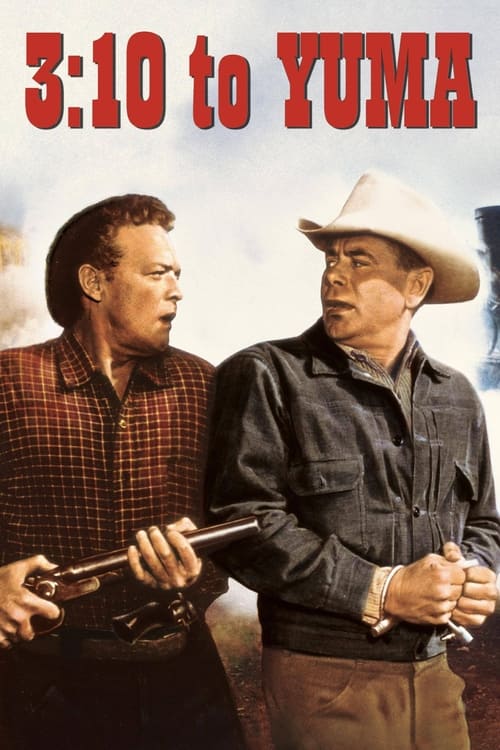
1957
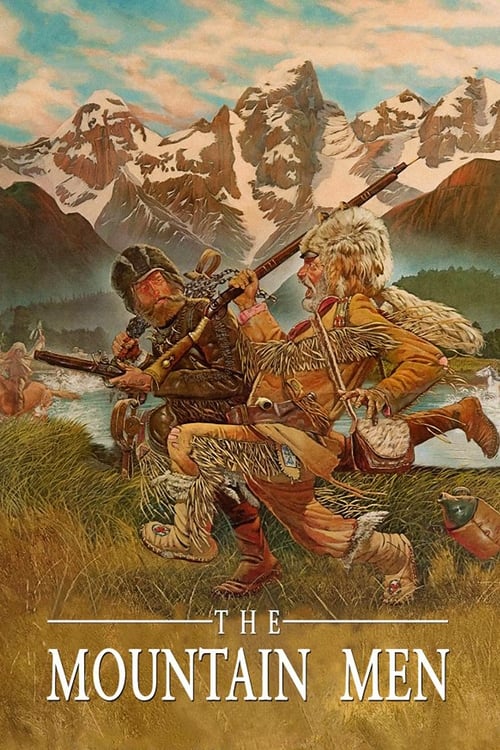
1980
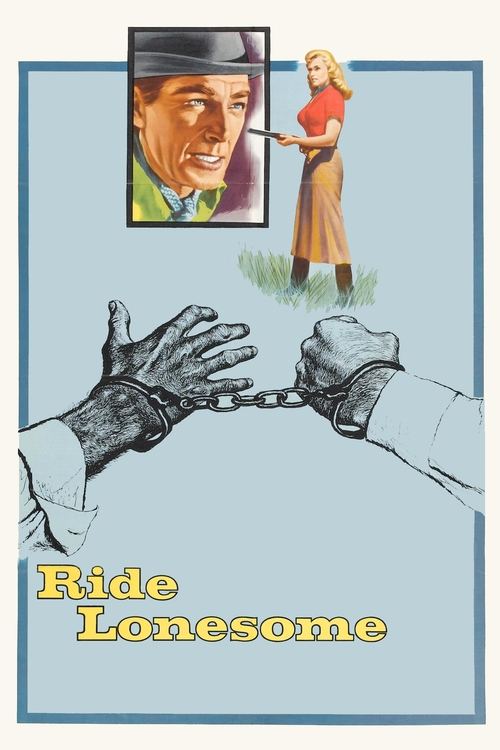
1959
No reviews yet. Be the first to share your thoughts on this movie!
Use the rating form above to leave a star rating and optional review.