Across the Wide Missouri
1951
No user ratings available yet
Representation score: 1.1 out of 10
Representation Score
Limited
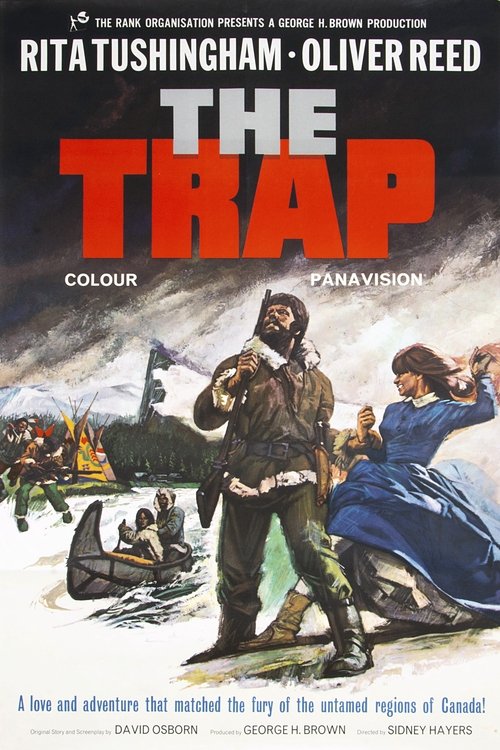
1966
Director
Sidney Hayers
Runtime
106 minutes
Average Rating
No ratings yetNew Showbiz Analysis
The film is a product of its mid-1960s temporal context, functioning within the established conventions of the adventure and Western genres. It reinforces traditional social hierarchies rather than challenging them. Narrative ability to act is heavily skewed toward the male protagonist. Characters such as the female lead and the mute character serve as plot devices rather than fully realized individuals with their own motivations. Overall, the production lacks intentionality regarding the way different parts of someone's identity overlap. It maintains a homogeneous cast and adheres to the period's standard moral and social frameworks.
Category Breakdown
The film contains no LGBTQ+ characters or non-cisgender identities. It adheres strictly to the assumption that everyone is straight or cisgender, following the social structures common in 1960s adventure cinema.
Gender dynamics rely on traditional power structures. The female lead is an unwilling wife who has little control over her own life, serving primarily as a catalyst for the male protagonist's journey.
The cast is predominantly homogeneous, reflecting a standard Western framework. There is no evidence of racial blending or diverse identities used to challenge social constraints.
The narrative follows a standard moral trajectory typical of its era. It prioritizes established Western storytelling structures without challenging institutions or promoting moral relativism.
A mute character is used as a functional narrative device to create communication barriers. The film fails to explore disability through a nuanced or empowering lens.
Present on Screen
Limited or Absent
Official Synopsis
A French-Canadian fur trapper takes a mute girl as his unwilling wife to live with him in his remote cabin in the woods.
1951
1967
1942

1971
1959
1960
1952
1954
No reviews yet. Be the first to share your thoughts on this movie!
Use the rating form above to leave a star rating and optional review.