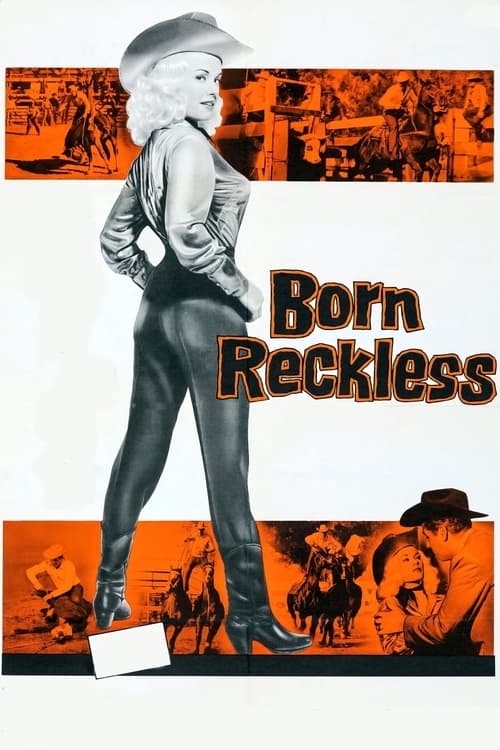
Born Reckless
1958
No user ratings available yet
Representation score: 1.4 out of 10
Representation Score
Limited
1978
PGDirector
Alan J. Pakula
Runtime
118 minutes
Average Rating
No ratings yetNew Showbiz Analysis
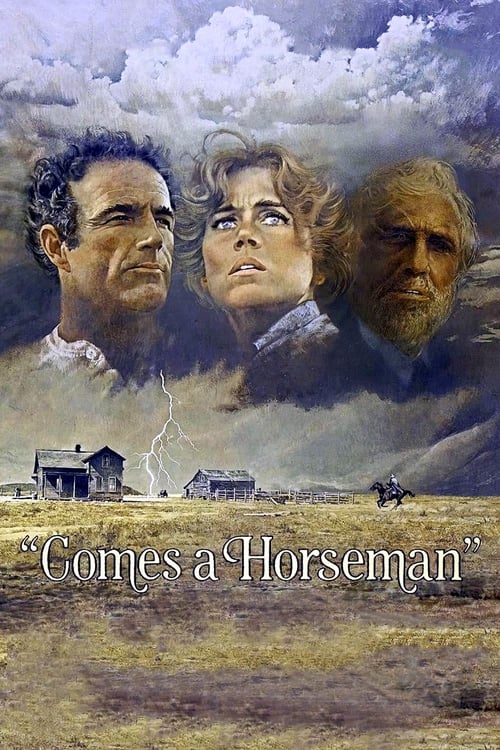
Comes a Horseman stands out from the typical Western genre by emphasizing character vulnerability and internal struggles over traditional heroic themes. The narrative highlights a woman's fight for economic survival, offering a more nuanced perspective on gender roles compared to conventional frontier stories. However, the film is constrained by its narrow demographic focus, which remains predominantly white. It offers limited representation of racial and LGBTQ+ diversity. Ultimately, the film's strength lies in its exploration of moral complexity, using the backdrop of the Great Depression and religious conflict to examine individual ability to act against systemic pressures.
Category Breakdown
The film focuses entirely on heterosexual relationships and does not include any same-sex intimacy or non-binary gender identities.
The story centers on a widow's economic survival and resilience. It challenges traditional gender stereotypes by portraying the male lead as vulnerable and conflicted.
The narrative remains almost exclusively focused on a white, rural community. Characters of color are not featured in roles of significant influence.
The film examines the tension between religious doctrine and personal freedom through a preacher's crisis of faith.
There are no prominent depictions of visible or invisible disabilities used as central plot devices.
Present on Screen
Limited or Absent
Official Synopsis
Ella Connors is a single woman who gets pressured to sell her failing cattle farm to her corrupt ex-suitor, Jacob Ewing. She asks for help from her neighbor, Frank Athearn. As Ella and Frank fight back through stampedes, jealousy, betrayal, and sabotage... they eventually find love.
1958

1967

1993
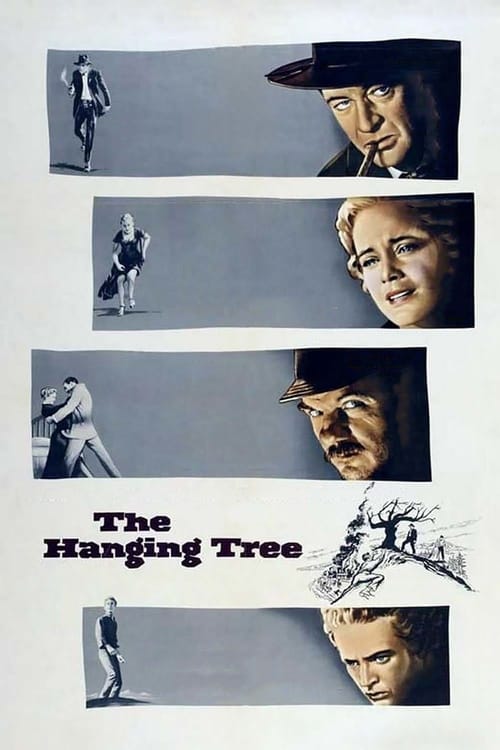
1959
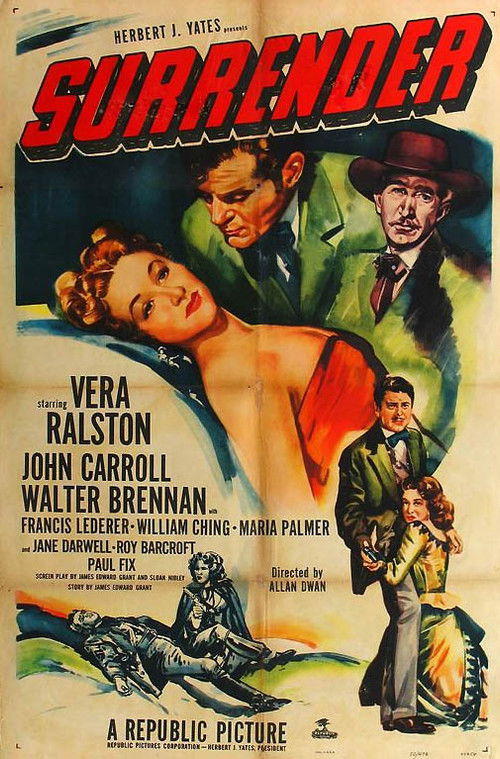
1950

1940
1983
1979
No reviews yet. Be the first to share your thoughts on this movie!
Use the rating form above to leave a star rating and optional review.