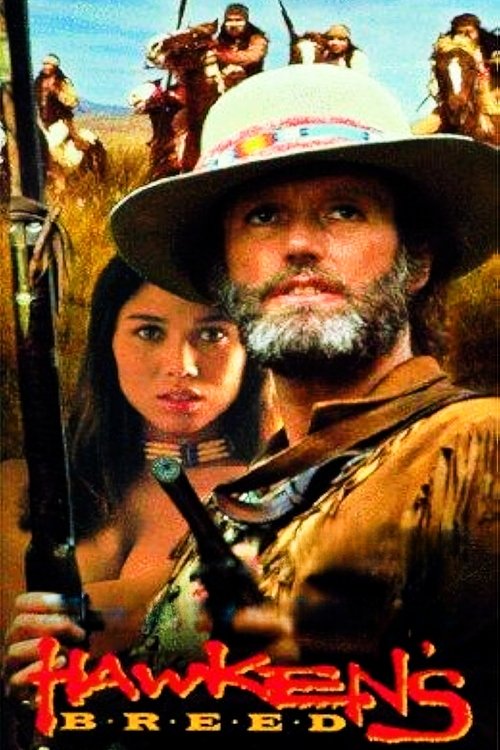
Hawken's Breed
1987
No user ratings available yet
Representation score: 0.9 out of 10
Representation Score
Minimal
1980
RDirector
Richard Lang
Runtime
102 minutes
Average Rating
No ratings yetNew Showbiz Analysis
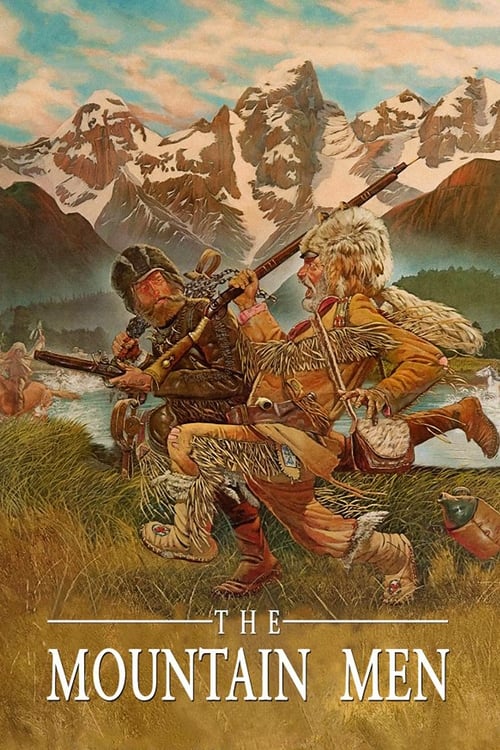
The Mountain Men is a quintessential product of its era, relying heavily on established Western archetypes. The narrative emphasizes white, men's control over the story and the performance of rugged masculinity. While the film includes Native American characters, they primarily serve as plot catalysts rather than fully realized individuals. This reliance on genre-specific clichés limits the film's depth in reflecting multiple aspects of identity. Ultimately, the film reinforces traditional social hierarchies. It lacks the intentionality needed to challenge patriarchal norms or provide meaningful representation for underrepresented groups.
Category Breakdown
The film strictly adheres to traditional gender binaries and does not include any non-cisgender identities or same-sex relationships.
The story centers around male camaraderie and rugged masculinity. Running Moon plays a significant role by escaping abuse, but her actions remain secondary to the male protagonists.
Central roles are predominantly filled by white actors. Native American characters drive plot tension but are depicted through conventional 1980s Western clichés rather than as autonomous individuals.
The film explores frontier justice and operates as a survivalist drama. It does not offer a critical look at Western institutions.
There is no representation of physical, sensory, or neurodivergent disabilities among the main cast or within the character arcs.
Present on Screen
Limited or Absent
Official Synopsis
The story concerns two grizzled mountain men -- Bill Tyler and Henry Frapp -- during the dying days of the fur-trapping era. The plot begins when Running Moon runs away from her abusive husband Heavy Eagle and comes across the two seedy fur trappers. The mountain men take her in, unaware that Heavy Eagle has dispatched an army of Indian braves to reclaim her.
1987

1971
1966

1972
1976
1960
1959
1968
No reviews yet. Be the first to share your thoughts on this movie!
Use the rating form above to leave a star rating and optional review.