Dead Men
2018
No user ratings available yet
Diversity score: 2.9 out of 10
2006
RDirector
Tim Hunter
Runtime
99 minutes
Average Rating
No ratings yetSynopsis
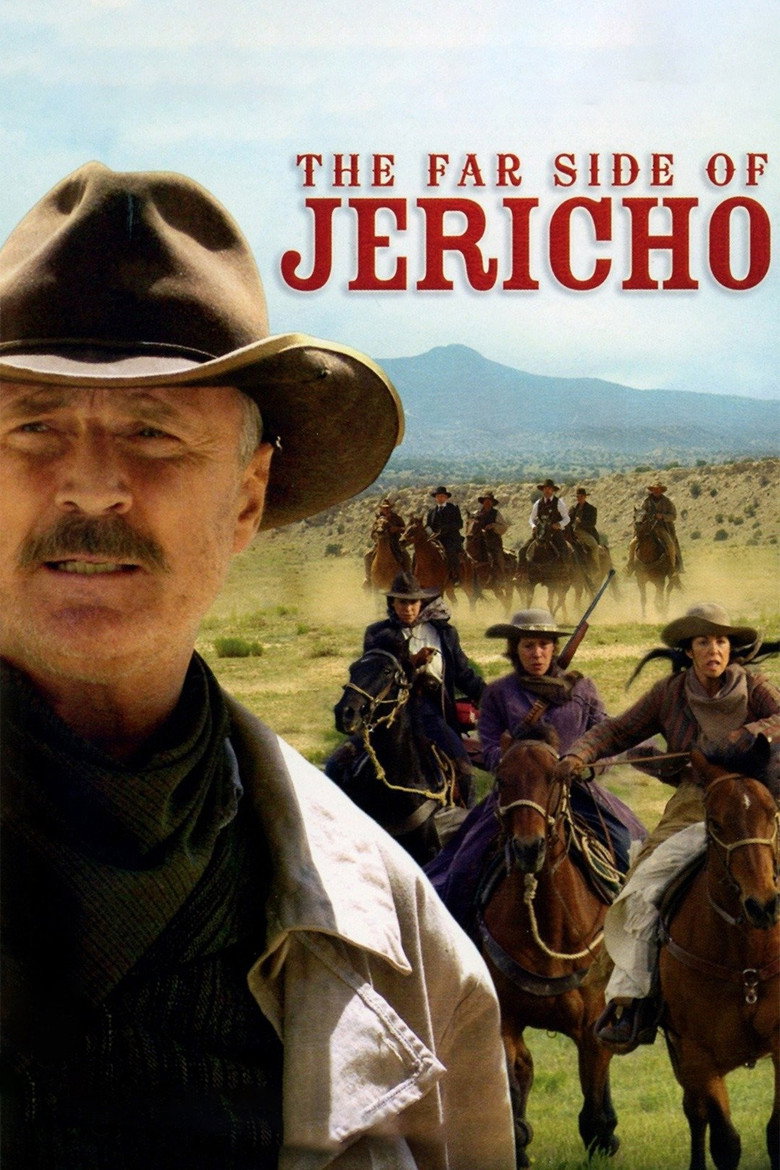
Jericho. In the 1880's. Three women of the wild West, widows of an outlawed gang of brothers recently hanged, find themselves running for their lives from a corrupt posse of vigilantes, mystical Indians and a hornet's nest of villains - all are convinced that our mismatched widows hold the key to the whereabouts of their husbands' missing bank loot and a mysterious treasure. Along the way, the women must find the courage to trust, care and kill for one another, blazing the trail to their destiny buried on The Far Side of Jericho.
Overall Score
Good
Category Breakdown
LGBTQ+ Representation
The film focuses on the survival bonds between three widows. There is no explicit evidence of LGBTQ+ characters or non-heteronormative identities within the narrative.
Gender Representation
The story disrupts Western tropes by centering on female agency. Three widows act as capable protagonists who must navigate violence rather than serving as passive victims.
Racial & Ethnic Diversity
Indigenous characters are present, though they are framed alongside other villainous factions. This suggests a diverse landscape that risks relying on traditional Western tropes of the 'other'.
Religious & Cultural Diversity
The narrative critiques traditional institutions by portraying a corrupt posse of vigilantes. It explores a world governed by situational ethics and systemic corruption rather than a singular moral code.
Disability Representation
The available information contains no mention of characters with visible or invisible disabilities.
Strengths
Areas for Improvement
AI Analysis
The film distinguishes itself from the standard Western by placing women at the center of the action. Instead of being sidelined, the three widows drive the plot through their pursuit of survival and hidden treasure. This shift provides a meaningful departure from the genre's typical male-dominated hierarchies. However, the film's approach to diversity is uneven. While it succeeds in subverting gender roles, its portrayal of ethnic groups like the 'mystical Indians' appears to lean into established genre archetypes of antagonists. This creates a tension between progressive female agency and traditionalist racial framing. Ultimately, the work functions as a study of agency amidst systemic instability. It trades the traditional hero's journey for a more complex exploration of how marginalized individuals navigate corruption and violence.
No reviews yet. Be the first to share your thoughts on this movie!
Use the rating form above to leave a star rating and optional review.