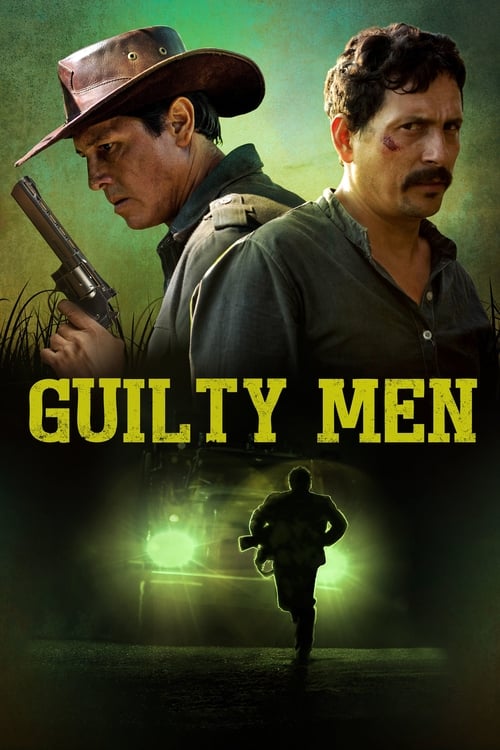
Guilty Men
2016
No user ratings available yet
Diversity score: 5.0 out of 10

2016
RDirector
JT Mollner
Runtime
120 minutes
Average Rating
No ratings yetSynopsis
A gang of cold-blooded outlaws narrowly escapes a blood-soaked bank robbery in a grimy frontier town. With a notorious bounty hunter hot on their trail, these nefarious criminals desperately need a place to hide out before night falls. Fate brings them to the home of the Tildons, a seemingly innocent family with two feisty daughters. As the men settle in, an impetuous game of cat and mouse plays out during the cold, black night. Come morning, nothing will ever be the same.
Overall Score
Fair
Category Breakdown
LGBTQ+ Representation
The film lacks prominent LGBTQ+ characters or non-heteronormative identities. It relies on a traditional, dysfunctional heteronormative framework to drive its psychological tension and sexual obsession.
Gender Representation
Male perspectives and violent agency dominate the narrative. While the film subverts stable masculinity by presenting volatile, compromised men, female characters often exist within predatory dynamics.
Racial & Ethnic Diversity
The cast is predominantly white, reflecting the historical homogeneity of a 1913 frontier setting. The film does not utilize non-white characters with significant agency to challenge period social structures.
Religious & Cultural Diversity
The story excels by eschewing singular Christian morality for moral relativism. It deconstructs traditional notions of right and wrong, portraying the breakdown of communal and familial stability.
Disability Representation
There is no evidence of characters with visible or invisible disabilities serving as central plot devices or being portrayed with agency.
Strengths
Areas for Improvement
AI Analysis
Outlaws and Angels functions as a psychological neo-noir that prioritizes the deconstruction of Western myths over demographic variety. It trades traditional heroic structures for a landscape of moral ambiguity and systemic dysfunction. The film's strength lies in its narrative architecture, which rejects the 'orderly' frontier trope in favor of situational ethics. However, this focus comes at the expense of intersectional representation. While the film offers a progressive critique of morality, it remains limited by a lack of racial, LGBTQ+, and disability diversity, adhering closely to the demographic constraints of its historical setting.
No reviews yet. Be the first to share your thoughts on this movie!
Use the rating form above to leave a star rating and optional review.