The King Murder
1932
No user ratings available yet
Representation score: 0.4 out of 10
Representation Score
Limited
1936
ApprovedDirector
Milton Carruth, Lewis R. Foster
Runtime
66 minutes
Average Rating
No ratings yetNew Showbiz Analysis
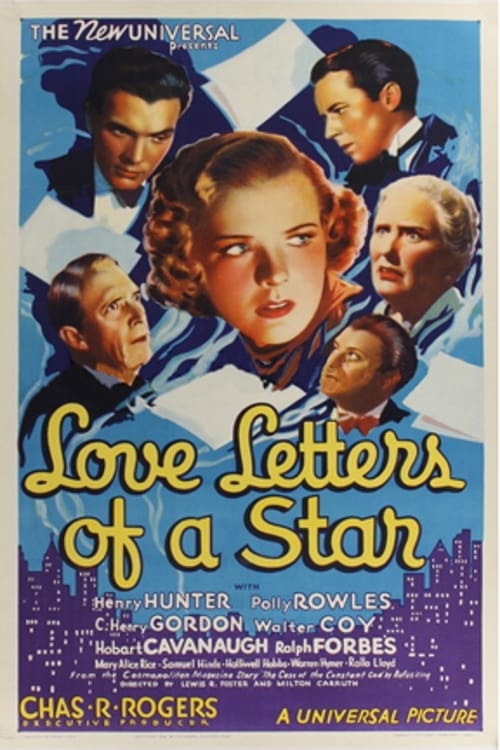
Love Letters of a Star operates as a typical mystery-thriller of its era, relying heavily on traditional formulas. The narrative structure centers on a male-driven quest for vengeance following a female character's victimization. The film adheres to the mid-century cinematic status quo, offering little in the way of multi-layered representation. It aligns with the social and cinematic constraints of 1936, focusing on a conventional Western ensemble. Ultimately, the film lacks the intentionality needed to challenge social hierarchies, prioritizing a narrow focus on personal retribution and individual morality.
Category Breakdown
The film centers on a traditional storyline involving marriage and blackmail, with no representation of LGBTQ+ identities or critiques of traditional social structures.
A woman's suicide sets off the plot, but she is portrayed mainly as a victim. The male lead drives the resolution through decisive, extrajudicial actions.
The production reflects the homogeneous casting standards typical of 1930s Hollywood. There is no indication of a diverse cast or inclusion of non-Anglo-Saxon characters.
The story explores themes of crime and vigilante justice, emphasizing individual morality and personal retribution over systemic critiques.
The narrative provides no evidence regarding the inclusion of characters with physical or neurodivergent disabilities.
Present on Screen
Limited or Absent
Official Synopsis
A woman commits suicide after being blackmailed, and her husband resolves to kill the man responsible. Blackmail, suicide, murder, a cover-up not to mention yachts and sea planes all wrapped up in an efficient 66 minutes of screen time with Henry Hunter, Polly Rowles and C. Henry Gordon in the leads, and Lewis R. Foster sitting in the director’s chair.
1932
1945

1935
1940
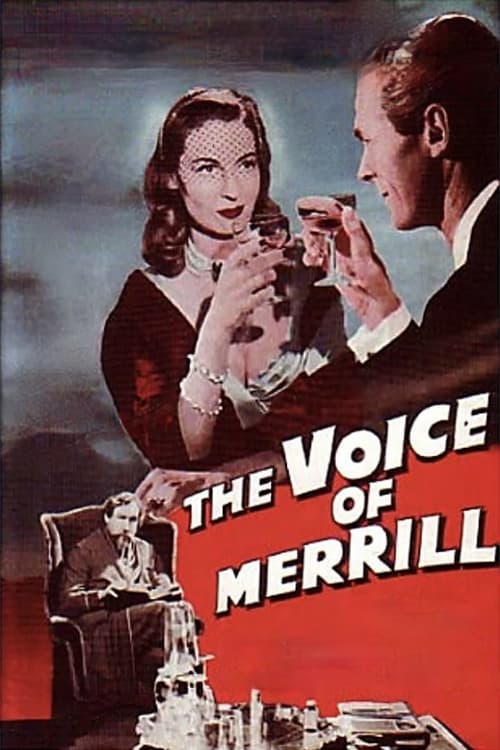
1952
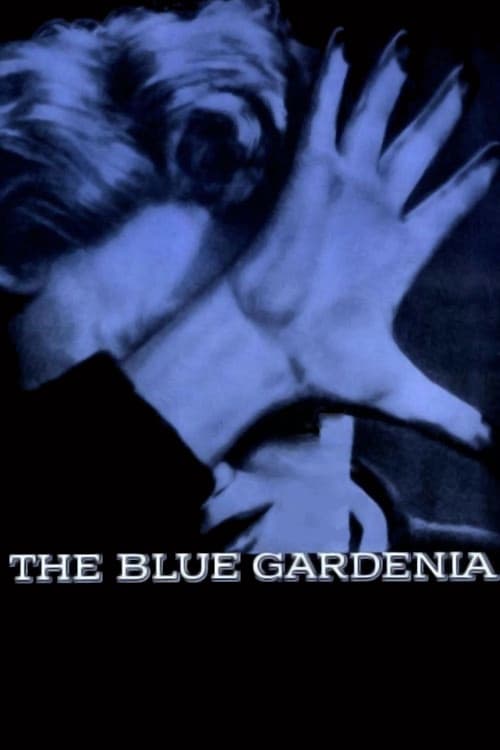
1953
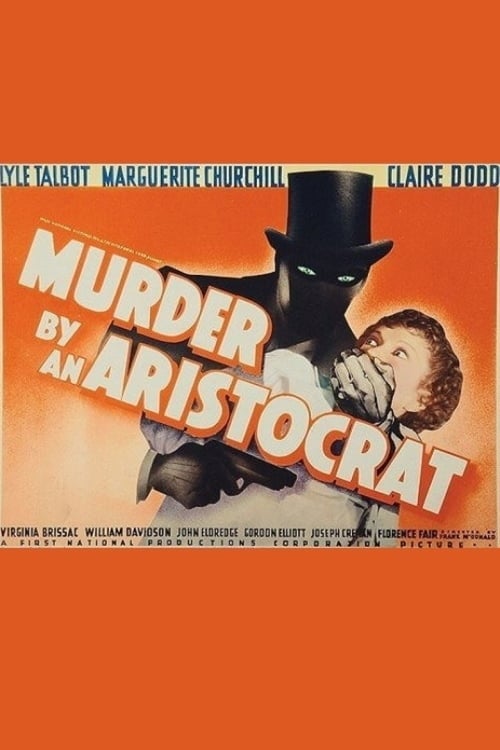
1936
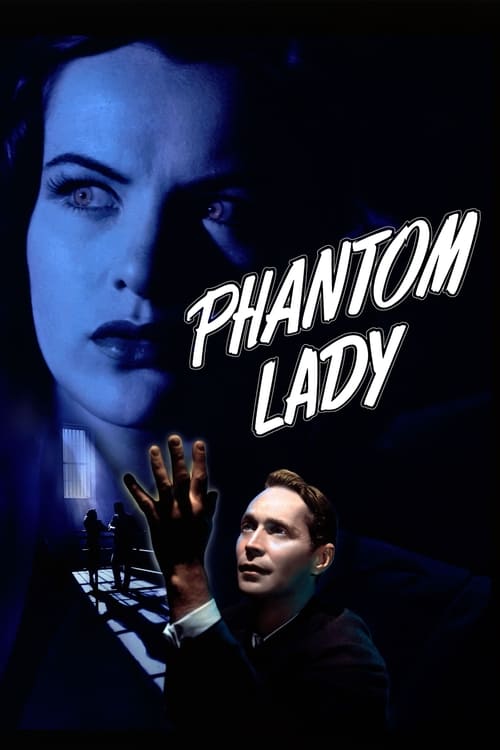
1944
No reviews yet. Be the first to share your thoughts on this movie!
Use the rating form above to leave a star rating and optional review.