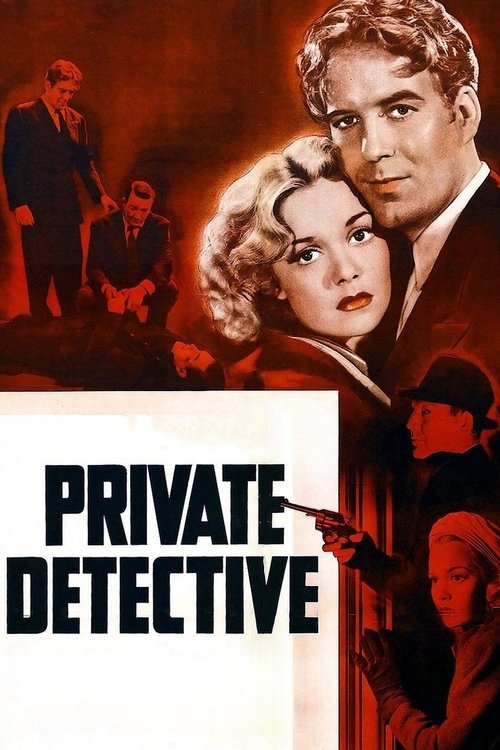
Private Detective
1939
No user ratings available yet
Representation score: 0.8 out of 10
Representation Score
Limited
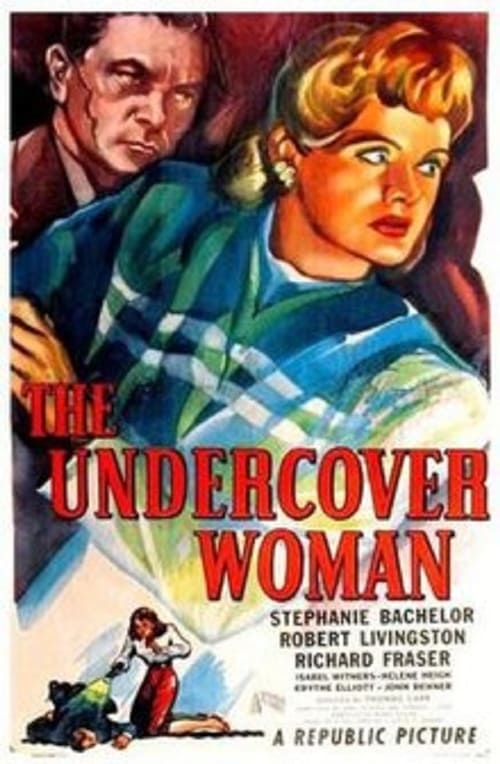
1946
ApprovedDirector
Thomas Carr
Runtime
56 minutes
Average Rating
No ratings yetNew Showbiz Analysis
The film stands out by placing women in professional roles as detectives, challenging the traditional gender roles of the time. However, it is limited by the societal norms of 1946, lacking diverse racial or cultural representation and multi-layered complexity.
Category Breakdown
The film does not show any non-straight or non-cisgender identities or same-sex relationships. It follows the straight-centered assumptions common to 1940s mystery movies.
The story focuses on women taking active roles as professional detectives. This challenges traditional genre expectations by putting women in charge of the plot.
The cast likely reflects the homogeneous demographics typical of 1946. There is no indication of significant racial diversity in the main characters' stories.
The story follows traditional Western mystery structures. It adheres to the social norms of the post-war period.
There is no information about characters with physical or neurodivergent disabilities.
Present on Screen
Limited or Absent
Official Synopsis
Two women private detectives arrive at a dude ranch in time to investigate the murder of their client's philandering husband.
1939
1946
1947
1944
1943
1941
1945
1939
No reviews yet. Be the first to share your thoughts on this movie!
Use the rating form above to leave a star rating and optional review.