An Accidental Soldier
2013
No user ratings available yet
Representation score: 4.4 out of 10
Representation Score
Limited
1997
Director
Yves Boisset
Runtime
90 minutes
Average Rating
No ratings yetNew Showbiz Analysis
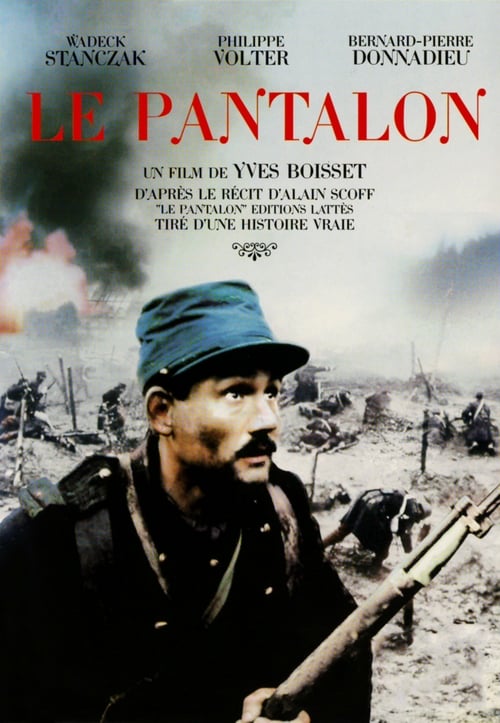
Le Pantalon is a character-driven war drama that explores the tension between personal humanity and rigid military regulations. It steers clear of traditional patriotic heroics, focusing instead on the impact of bureaucratic systems on a single soldier's life. While the film lacks contemporary diverse representation, it successfully challenges conventional military narratives. The narrative structure highlights a cynical, realistic view of institutional cruelty rather than glorifying war.
Category Breakdown
The film centers on the domestic life of a soldier and his relationship with his wife and daughter. There are no queer narratives or non-cisgender identities portrayed.
The story emphasizes a masculine viewpoint within a military structure. Female characters mainly serve as emotional support for the main character rather than driving the plot.
The film depicts a historically uniform military setting. It lacks diverse perspectives and does not include colonial troops within the French military context.
The film critiques the stability and discipline of the military institution. It uses a systemic critique to dismantle traditional views of military glory and rigid bureaucracy.
There is no information regarding the portrayal of physical or neurodivergent disabilities in the provided context.
Present on Screen
Limited or Absent
Official Synopsis
Lucien is a young soldier in the French army during the First World War. Recently married and with a young daughter, his only aim is to get through the war unscathed and get back to his wife and daughter. But this world is turned upside down by a pair of trousers.
2013
2017
2001
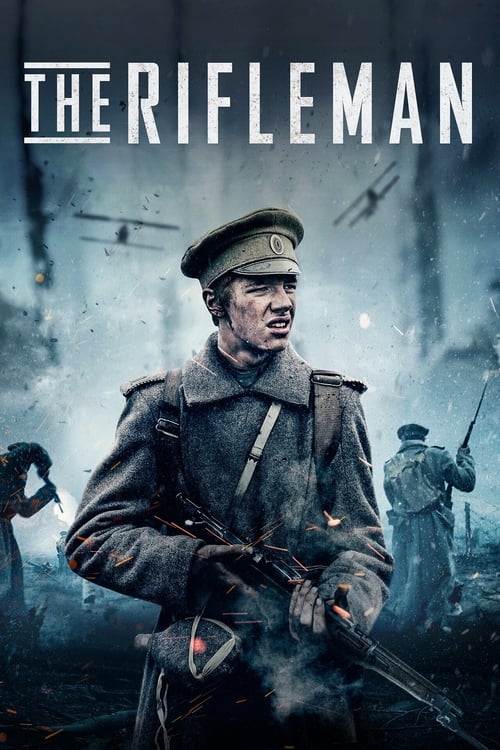
2019
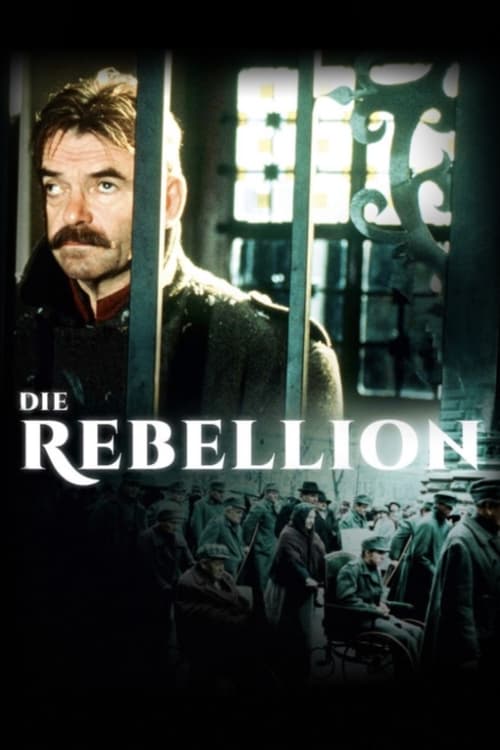
1993
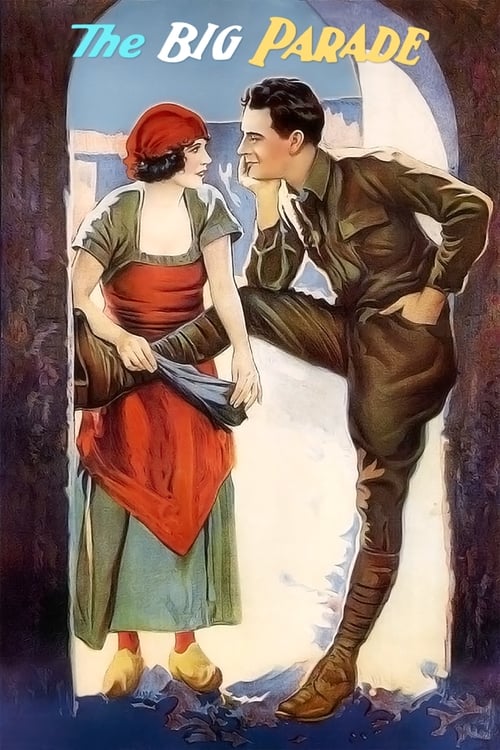
1925
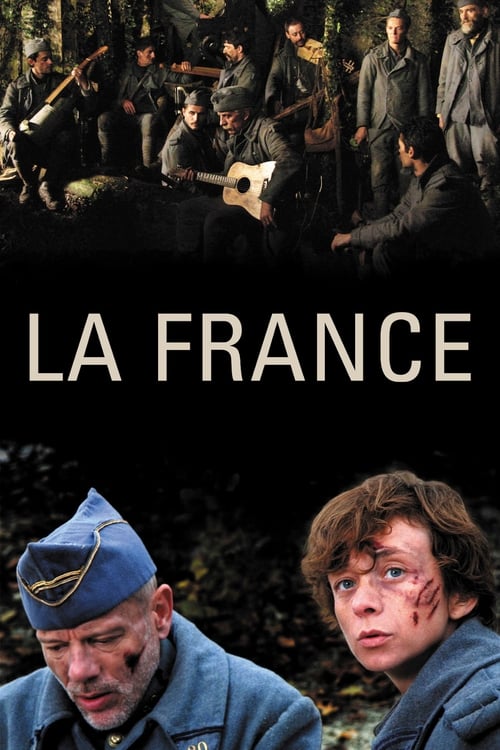
2007
1919
No reviews yet. Be the first to share your thoughts on this movie!
Use the rating form above to leave a star rating and optional review.