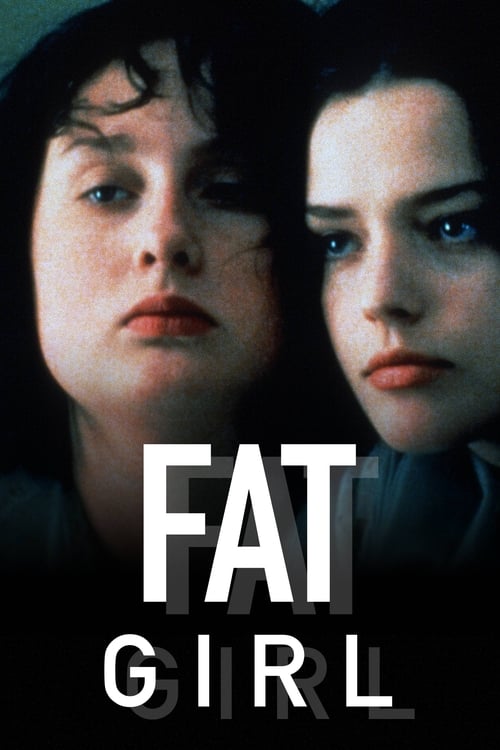
Fat Girl
2001
No user ratings available yet
Representation score: 5.8 out of 10

Representation Score
Fair
2005
Director
Luca Guadagnino
Runtime
100 minutes
Average Rating
No ratings yetNew Showbiz Analysis
Melissa P. successfully challenges typical coming-of-age narratives by emphasizing the protagonist's autonomy and personal growth. By avoiding a moralistic perspective, the film provides a nuanced look at female subjectivity. However, the film's narrow demographic focus limits its broader impact. Its lack of diverse representation and exclusive focus on heterosexual relationships keep it within a specific cultural context.
Category Breakdown
The film focuses solely on heterosexual relationships and does not explore LGBTQ+ identities or queer dynamics.
The film centers on the internal journey of a young woman, Melissa, who actively shapes her own experiences rather than being a passive character.
The setting is a predominantly white, middle-class Italian environment with little intentional racial or ethnic diversity among the cast.
The story rejects traditional moralistic arcs and family structures, focusing instead on the subjective experiences of the characters.
There are no significant portrayals of physical or neurodevelopmental disabilities that play a key role in the plot.
Present on Screen
Limited or Absent
Official Synopsis
An adolescent girl, living with her mother and her grandmother, will have her first sexual experiences in a heavy and excessive way.
2001

2013

2013

2023

1990

2004

2013

1978
No reviews yet. Be the first to share your thoughts on this movie!
Use the rating form above to leave a star rating and optional review.