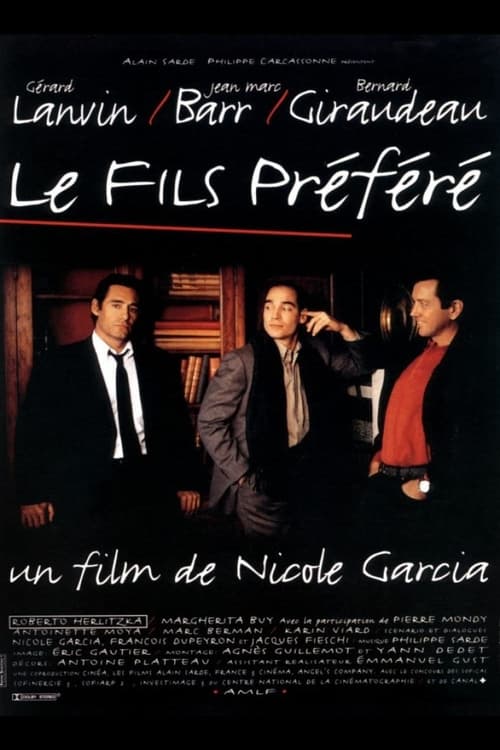
Le fils préféré
1994
No user ratings available yet
Representation score: 5.7 out of 10

Representation Score
Limited
2010
Director
Pupi Avati
Runtime
105 minutes
Average Rating
No ratings yetNew Showbiz Analysis
Pupi Avati’s period drama emphasizes historical accuracy over modern diversity. The narrative centers on a traditional family unit, driven by patriarchal authority and established social hierarchies. The production reflects the demographic and cultural realities of early 1900s rural Italy, resulting in an ethnically homogeneous cast and a story centered on conventional religious and familial structures. Ultimately, the film maintains traditional clichés without disrupting or deconstructing them.
Category Breakdown
The film follows the social norms of its early 20th-century setting and does not include any representation of LGBTQ+ identities or stories that challenge traditional views of sexuality and gender.
The power dynamics in the film revolve around male authority and traditional gender roles. Women are shown in traditional domestic roles without challenging historical gender norms.
The cast is ethnically uniform, reflecting the demographics of rural Italy during that time. There is no diverse casting or actors playing roles outside their traditional backgrounds.
The story is grounded in traditional Western structures, emphasizing the importance of religion and family. It explores ambition within a conventional socioeconomic framework.
The film does not focus on physical or mental disabilities. Baldo's awkwardness is portrayed as a characteristic of youth rather than a formal depiction of neurodivergence.
Present on Screen
Limited or Absent
Official Synopsis
Ruthless businessman Luciano reconnects with his estranged family from a previous marriage, only to use their youngest son, awkward and starry-eyed Baldo, as the fall guy for his failing endeavor.
1994
1990

1991

2003

2011
2011
1992

2014
No reviews yet. Be the first to share your thoughts on this movie!
Use the rating form above to leave a star rating and optional review.