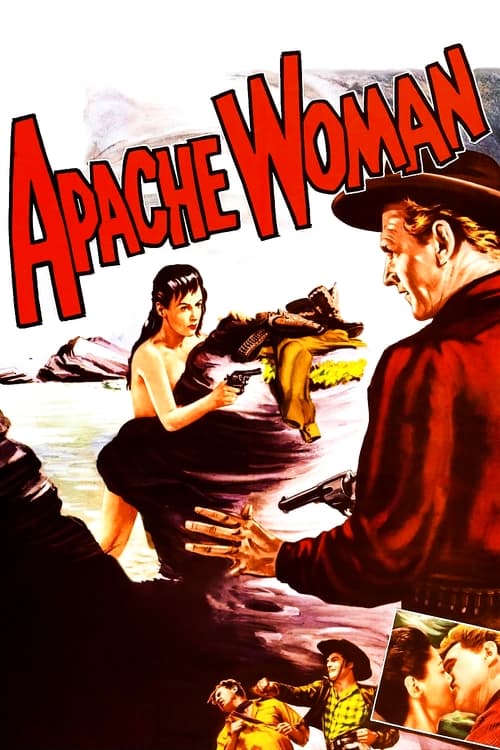
Apache Woman
1955
No user ratings available yet
Representation score: 1.0 out of 10
Representation Score
Minimal
1954
NRDirector
Fred F. Sears
Runtime
73 minutes
Average Rating
No ratings yetNew Showbiz Analysis
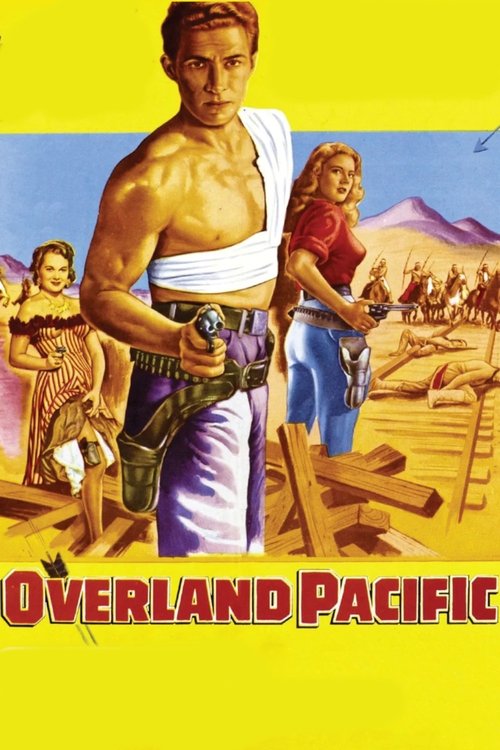
Overland Pacific is a conventional mid-century Western that operates strictly within the social norms of its time. The story focuses on the expansion of the railroad, framing progress through a traditional lens of law and order. The film reinforces established hierarchies, particularly regarding gender and race. It uses the standard genre clichés of the 1950s, where masculine authority drives the plot and Indigenous characters function as obstacles to progress. Ultimately, the work lacks complexity in representing multiple aspects of identity. It functions as a period-typical genre piece that prioritizes Western-centric historical narratives over cultural subversion or diverse representation.
Category Breakdown
The film does not include any LGBTQ+ characters or stories that go beyond the assumption that everyone is straight or cisgender. It follows the strict conventions of 1950s cinema, which assumes everyone is heterosexual and cisgender.
The story focuses on masculine leadership and physical strength. Female characters are likely confined to secondary or domestic roles without challenging traditional gender roles.
Indigenous populations are portrayed as obstacles to the expansion of the railroad. The film reinforces a Western-centric perspective without offering nuanced views of these characters.
The plot emphasizes the protection of property and the triumph of organized civilization. It supports the expansion of Western institutions and infrastructure over the wilderness.
There is no evidence of disability, neurodivergence, or chronic illness being used as significant character elements in the narrative.
Present on Screen
Limited or Absent
Official Synopsis
A railroad investigator discovers that there's more than meets the eye to a series of reported Indian attacks against the railroad.
1955
1939
1954
1963

1946
1964
1948

1950
No reviews yet. Be the first to share your thoughts on this movie!
Use the rating form above to leave a star rating and optional review.