
King of the Children
1987
No user ratings available yet
Representation score: 4.2 out of 10
Representation Score
Fair
1994
Director
Tian Zhuangzhuang
Runtime
141 minutes
Average Rating
No ratings yetNew Showbiz Analysis
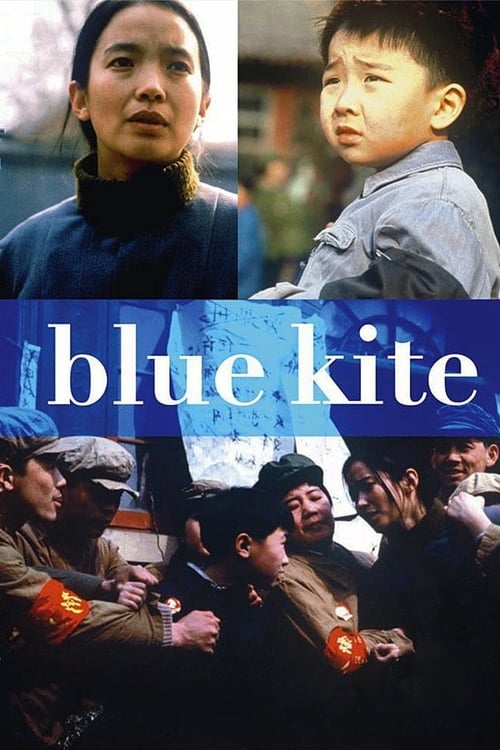
The Blue Kite is a historical drama that emphasizes socio-political critique over identity-based representation. While it lacks diversity in terms of LGBTQ+ identities, race, or disability, it excels in its portrayal of how political shifts erode individual and family stability. The film's strength lies in its cultural depth, particularly in its depiction of the Cultural Revolution's impact on social cohesion. However, its adherence to traditional patriarchal structures and an ethnically homogeneous cast limits its broader identity representation.
Category Breakdown
The film does not depict any non-binary or LGBTQ+ identities and focuses solely on heterosexual and cisgender family structures. It sets political trauma within these traditional family units.
The story centers around a patriarchal hierarchy where the father holds significant authority. Women play minor roles, often witnessing the destruction of their homes without having much control over their circumstances.
The cast is made up of predominantly Han Chinese actors, reflecting the ethnic makeup of Beijing. The film stays closely tied to its historical and cultural context.
The film provides a detailed look at how political extremism can break down traditional moral and familial bonds. It critiques the impact of institutional power on society and families.
The film does not prominently feature characters with physical or cognitive disabilities. Characters' struggles are mainly defined by political and social pressures rather than disability.
Present on Screen
Limited or Absent
Official Synopsis
A young man recalls his childhood growing up in a poor alley in Beijing during the 1950s and 1960s.
1987

2001

1998

1989

1981

1982

2008

1981
No reviews yet. Be the first to share your thoughts on this movie!
Use the rating form above to leave a star rating and optional review.