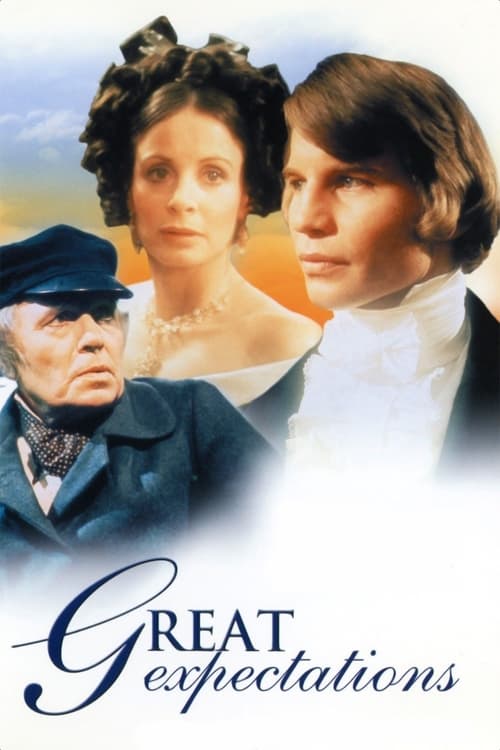
Great Expectations
1974
No user ratings available yet
Representation score: 3.5 out of 10
Representation Score
Limited
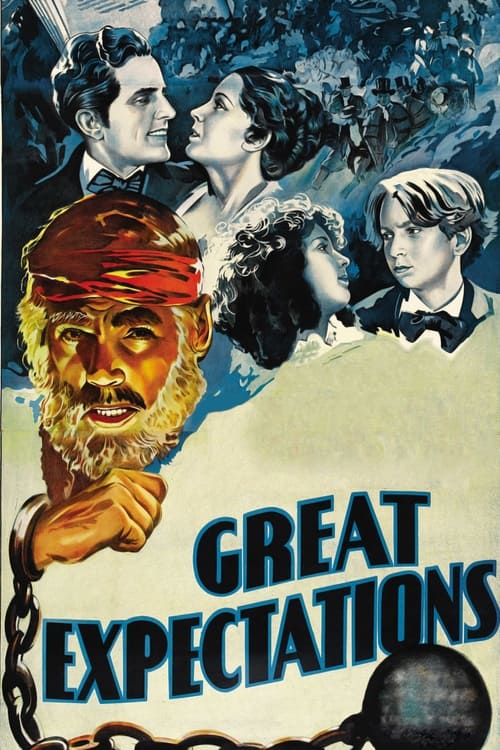
1934
NRDirector
Stuart Walker
Runtime
100 minutes
Average Rating
No ratings yetNew Showbiz Analysis
This 1934 adaptation focuses on Victorian social stratification and the tension between class mobility and morality. While it offers a critique of the British class system, it relies heavily on traditional genre clichés and period-specific cinematic norms. The production lacks complexity in representing diverse identities, offering almost no representation for LGBTQ+ individuals or diverse racial backgrounds. Characterizations often serve the protagonist's journey rather than providing independent roles for underrepresented groups. Ultimately, the film functions as a character-driven moral drama. It prioritizes historical accuracy and melodrama over progressive representation or systemic social critique.
Category Breakdown
There are no visible LGBTQ+ identities in the film. The romantic relationships are strictly heterosexual.
Estella influences Pip's growth but does not have her own goals. The story centers on traditional male ambitions and social hierarchies.
The cast is predominantly white and lacks diverse ethnic representation. There is no race-bent casting.
The story critiques the British class system by highlighting the differences between working-class and upper-class characters.
Miss Havisham's psychological issues are used mainly as a plot device. The film does not offer nuanced portrayals of mental health or characters with lived disability experiences.
Present on Screen
Limited or Absent
Official Synopsis
Orphan Pip discovers through lawyer Mr. Jaggers that a mysterious benefactor wishes to ensure that he becomes a gentleman. Reunited with his childhood patron, Miss Havisham, and his first love, the beautiful but emotionally cold Estella, he discovers that the elderly spinster has gone mad from having been left at the altar as a young woman, and has made her charge into a warped, unfeeling heartbreaker.
1974
1946
1999

1952

1983

1948
1933

1937
No reviews yet. Be the first to share your thoughts on this movie!
Use the rating form above to leave a star rating and optional review.