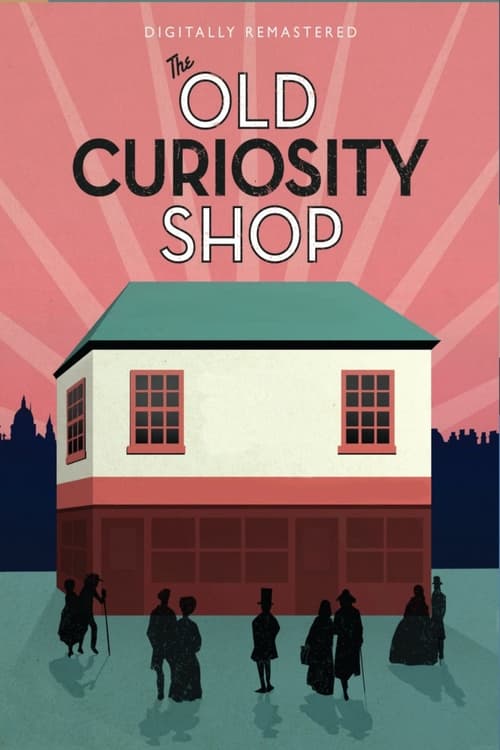
The Old Curiosity Shop
1934
No user ratings available yet
Diversity score: 2.7 out of 10

1947
ApprovedDirector
Alberto Cavalcanti
Runtime
108 minutes
Average Rating
No ratings yetSynopsis
A fatherless boy tries to make his fortune despite interference from his rich uncle.
Overall Score
Limited
Category Breakdown
LGBTQ+ Representation
The film adheres strictly to the heteronormative social structures of the Victorian era. No non-cisnormative gender identities or same-sex intimacy appear within the narrative.
Gender Representation
Female characters like Kate Nickleby primarily function as moral stabilizers or romantic catalysts. While providing emotional grounding, they lack the primary agency seen in the male protagonists.
Racial & Ethnic Diversity
The cast is predominantly homogeneous, reflecting both the historical setting and 1947 production standards. The narrative lacks significant racial blending or non-Anglo-Saxon representation.
Religious & Cultural Diversity
The film critiques predatory capitalism by framing Ralph Nickleby as a personification of greed. It also uses the Yorkshire school to highlight institutionalized cruelty and systemic mismanagement.
Disability Representation
There is no significant or nuanced portrayal of neurodivergence or physical disability. Characters are defined by socioeconomic status and moral alignment rather than lived experiences of disability.
Strengths
Areas for Improvement
AI Analysis
This 1947 adaptation functions as a period-accurate reconstruction of 19th-century English social stratifications. It prioritizes Dickensian moralism and historical accuracy over modern intersectional representation, resulting in a lack of identity-based diversity. However, the film transcends a purely traditionalist hierarchy through its narrative architecture. By focusing on the friction between individual virtue and systemic corruption, it offers a meaningful critique of class-based oppression and unregulated capitalism. Ultimately, while the film is limited by the casting standards of its era, its exploration of power dynamics provides a nuanced view of the struggle against corrupt institutions.
1934

1922
1934

1963
1973
1945

1927
1948
1974
1976
1957
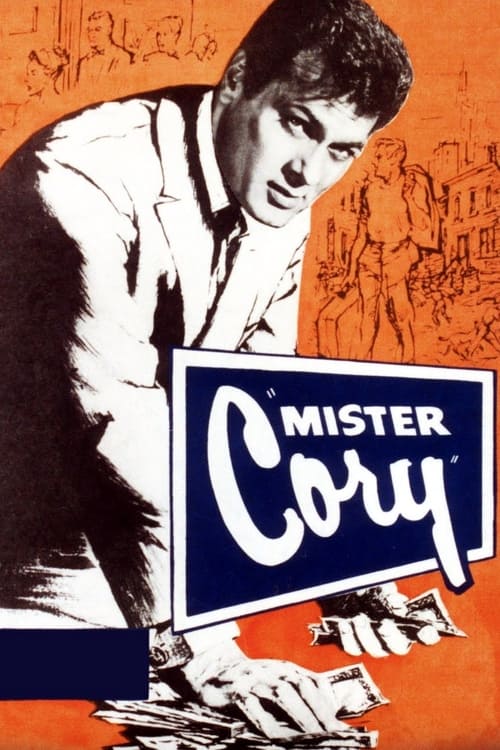
1957
No reviews yet. Be the first to share your thoughts on this movie!
Use the rating form above to leave a star rating and optional review.