
A Woman's Vengeance
1948
No user ratings available yet
Diversity score: 2.2 out of 10

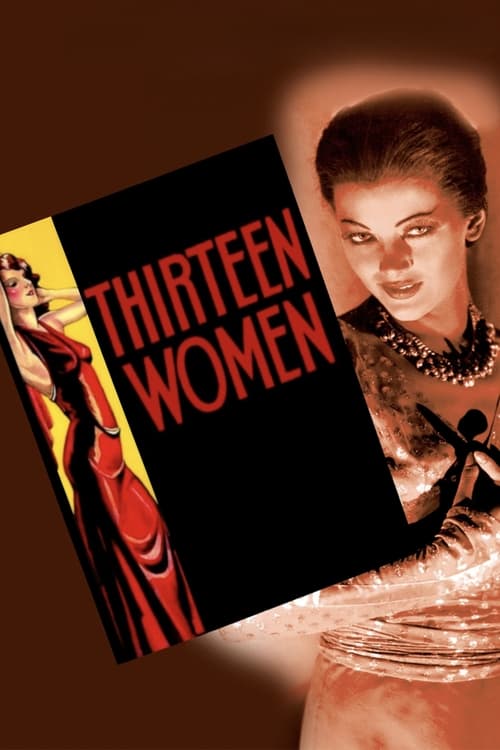
1935
ApprovedDirector
Stuart Walker
Runtime
87 minutes
Average Rating
No ratings yetSynopsis
A choirmaster addicted to opium and obsessed with a beautiful young woman will stop at nothing to possess her.
Overall Score
Limited
Category Breakdown
LGBTQ+ Representation
The film adheres to strict heteronormative constraints. The central conflict focuses on a traditional romantic rivalry between men for a female lead, with no queer subtext present.
Gender Representation
Gender roles follow a traditional hierarchy. The female lead remains largely reactive to the obsessions and actions of the male characters, reinforcing classical period dynamics.
Racial & Ethnic Diversity
The cast appears homogeneous, reflecting the standard Western melodrama casting of 1935. There is no evidence of racial blending or diverse identities used to challenge social norms.
Religious & Cultural Diversity
The story uses Victorian settings and themes of addiction to drive the plot. It focuses on individual morality rather than providing a critique of systemic cultural institutions.
Disability Representation
Opium addiction is used as a plot device to fuel the antagonist's instability. There is no meaningful portrayal of neurodivergence or physical disability with agency.
Strengths
Areas for Improvement
AI Analysis
This 1935 adaptation of Dickens' work functions as a conventional Victorian melodrama. It prioritizes atmospheric tension and mystery over any meaningful exploration of social or identity-based diversity. The narrative is driven by male obsession and traditional romantic rivalry. This structure keeps the female protagonist in a reactive role, reinforcing the era's standard gender hierarchies. Ultimately, the film reflects the limited social scope of 1930s studio productions. It relies on established tropes of addiction and morality without attempting to disrupt or deconstruct existing social norms.
1948
1951
1954
1946
1932
1953
1946

1956
1926
1948
1947
1952
No reviews yet. Be the first to share your thoughts on this movie!
Use the rating form above to leave a star rating and optional review.