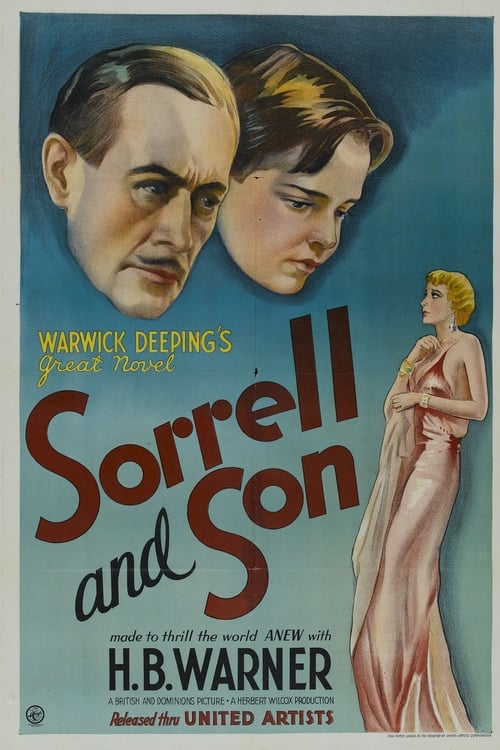
Sorrell and Son
1934
No user ratings available yet
Representation score: 0.5 out of 10
Representation Score
Limited
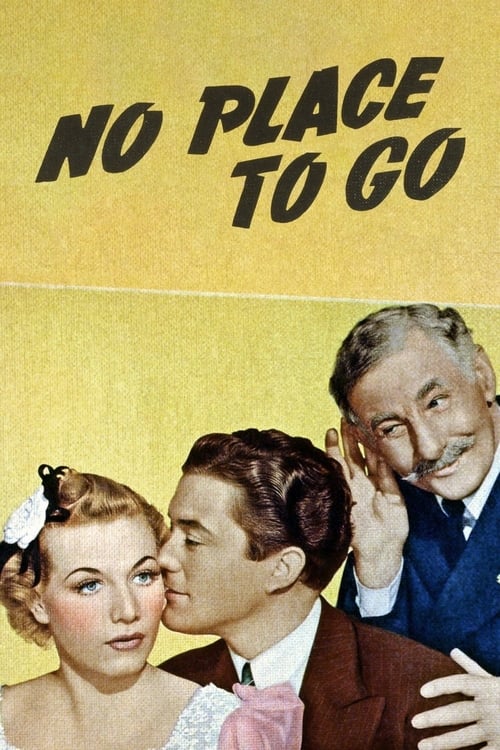
1939
ApprovedDirector
Terry O. Morse
Runtime
56 minutes
Average Rating
No ratings yetNew Showbiz Analysis
No Place to Go is a traditional 1939 domestic drama that prioritizes sentimentalism and moral clarity. The story follows an elderly veteran seeking purpose through a connection with a neighborhood child, adhering strictly to the social conventions of the Golden Age of Hollywood. The film lacks intentionality in disrupting social hierarchies. It functions as a conventional period piece that reinforces established family structures and individualist moral arcs rather than offering perspectives that reflect multiple aspects of identity. Ultimately, the work serves as a snapshot of era-specific storytelling, focusing on emotional resilience within a standard, homogeneous framework.
Category Breakdown
The film operates within a standard framework that assumes everyone is straight. There is no evidence of non-straight relationships or challenging traditional romantic norms.
The narrative centers on a male protagonist and his struggle with loneliness. While a daughter-in-law is present, the focus remains on male-centric life milestones.
The film likely reflects the homogeneous casting practices of 1939. It follows the conventional Western-centric casting typical of domestic dramas from this era.
The story reinforces traditional Western values regarding family and intergenerational bonds. It emphasizes social cohesion through classical moral storytelling.
The elderly veteran's status may imply service-related scars. However, the narrative focuses on emotional loneliness rather than nuanced disability representation.
Present on Screen
Limited or Absent
Official Synopsis
An elderly war veteran feels lonely and unwanted while living with his son and daughter-in-law, but he learns his life still has purpose when he befriends a neighborhood child with a troubled family life.
1934

1936

1938
1952

1948

1945

1933

1939
No reviews yet. Be the first to share your thoughts on this movie!
Use the rating form above to leave a star rating and optional review.