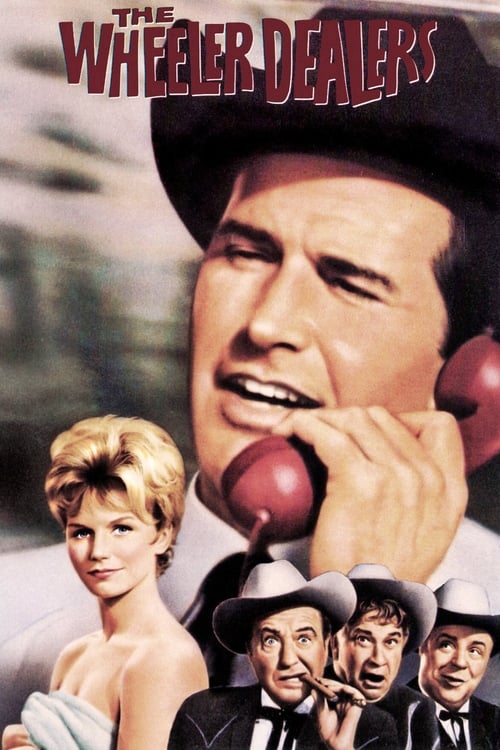
The Wheeler Dealers
1963
No user ratings available yet
Diversity score: 1.6 out of 10
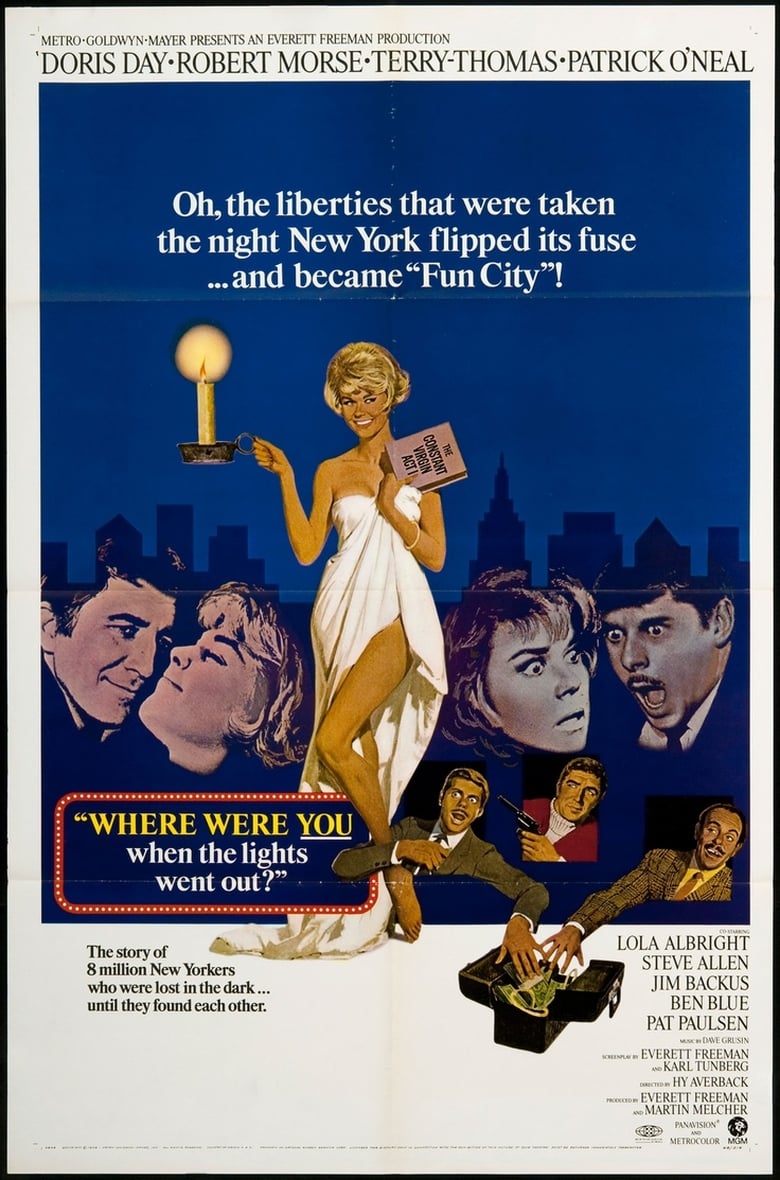
1968
Director
Hy Averback
Runtime
89 minutes
Average Rating
No ratings yetSynopsis
When the Great Northeast Blackout of 1965 hit, millions of people were left in the dark, including Waldo Zane, a New York executive in the process of stealing a fortune from his company, and two people whose paths he's destined to cross, Broadway actress Margaret Garrison and her husband, Peter.
Overall Score
Limited
Category Breakdown
LGBTQ+ Representation
The film operates within a conventional heteronormative framework. The narrative focuses on a central trio without any evidence of non-cisnormative identities.
Gender Representation
The story presents traditional gendered dynamics between a Broadway actress and her husband. Characters appear to function within the social expectations of the 1960s.
Racial & Ethnic Diversity
The cast appears centered on the dominant Anglo-Saxon demographic of the period. There is no evidence of a non-white majority cast or race-bent casting.
Religious & Cultural Diversity
Chaos is framed through farce rather than a critique of Western institutions. The protagonist's white-collar crime serves as a comedic plot device rather than a systemic critique.
Disability Representation
There are no visible or invisible disabilities central to the narrative arc. No characters are utilized as plot devices regarding physical or mental health.
Strengths
Areas for Improvement
AI Analysis
This 1968 comedy functions as a traditional mid-century farce. It prioritizes situational humor and established social norms over the inclusion of intersectional identities or the disruption of hierarchies. The film reflects the homogeneous social structures of its era, focusing on a central trio within a conventional framework. It lacks intentional efforts to challenge Western structures or promote progressive social frameworks. Ultimately, the narrative adheres to the demographic status quo of the 1960s, offering a period-typical comedic experience without significant social subversion.
1963
1967
1968
1960
1967
1958
1977
1958
1962
1969

1963

1965
No reviews yet. Be the first to share your thoughts on this movie!
Use the rating form above to leave a star rating and optional review.