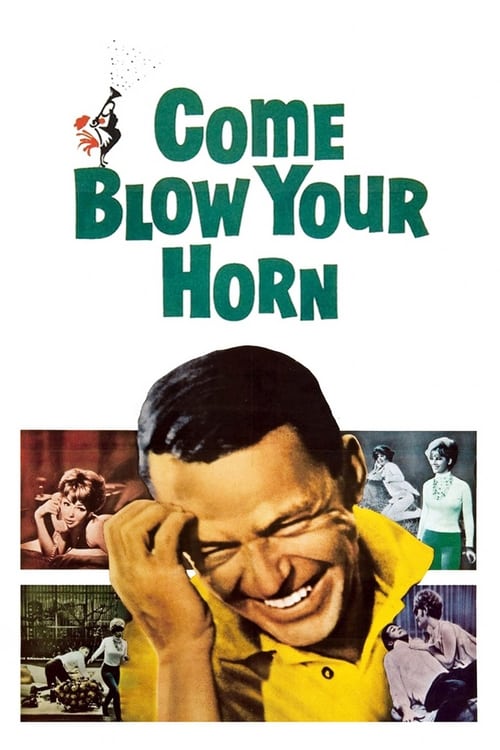
Come Blow Your Horn
1963
No user ratings available yet
Diversity score: 2.8 out of 10
1965
NRDirector
Bud Yorkin
Runtime
105 minutes
Average Rating
No ratings yetSynopsis
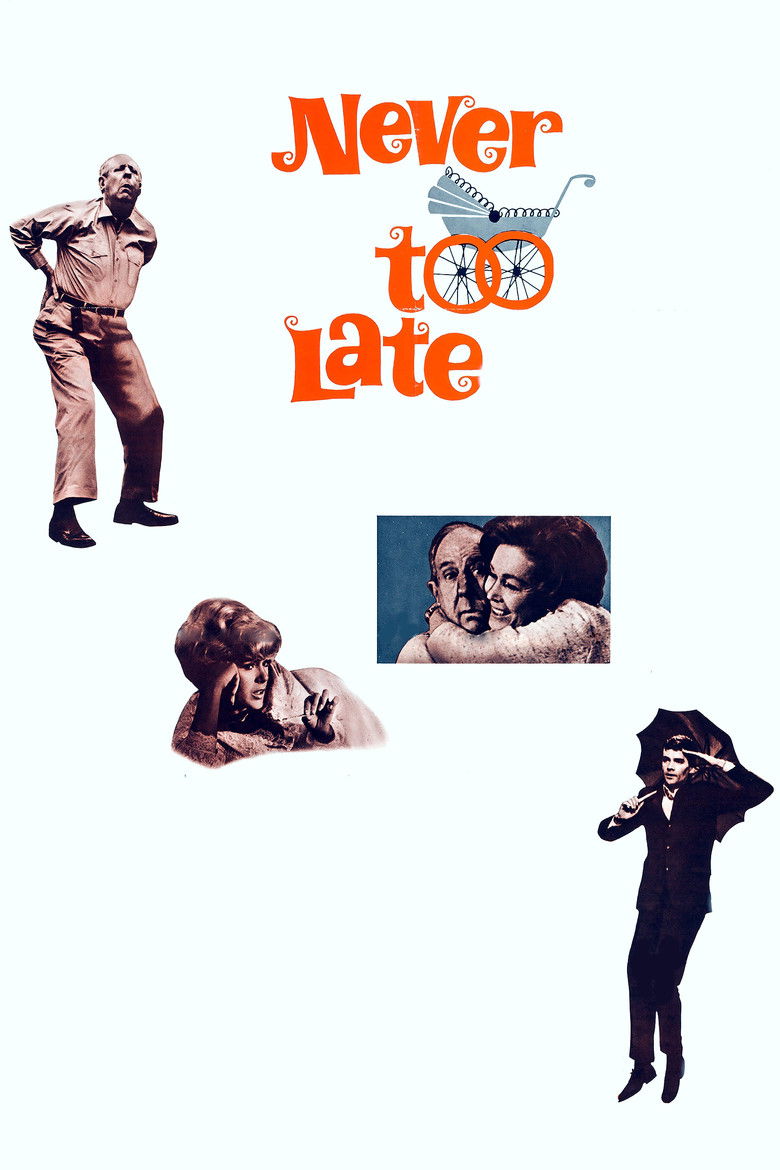
A 60-year-old lumber supply businessman is dismayed to learn his 50-year-old wife is pregnant. A film adaptation of the hit Broadway comedy, with Paul Ford repeating his stage role as the flabbergasted papa-to-be.
Overall Score
Limited
Category Breakdown
LGBTQ+ Representation
The film adheres to the heteronormative social structures common in 1965 mainstream cinema. There is no evidence of non-cisnormative gender identities or same-sex narratives within the story.
Gender Representation
The narrative centers on a traditional domestic crisis involving a husband and his pregnant wife. It relies on conventional gender roles, positioning the male protagonist as the primary emotional anchor.
Racial & Ethnic Diversity
The film reflects the homogeneous casting standards of the mid-1960s. It depicts white, middle-class domesticity as the default social norm without evidence of diverse casting.
Religious & Cultural Diversity
The plot reinforces the importance of the nuclear family and established capitalist structures. It does not attempt to deconstruct traditional institutions or prioritize secularist perspectives.
Disability Representation
There is no information available regarding the inclusion of characters with visible or invisible disabilities in this production.
Strengths
Areas for Improvement
AI Analysis
Never Too Late is a period-typical domestic comedy that operates within the established cultural frameworks of the mid-1960s. The film focuses on a lumber businessman facing a late-life pregnancy, a premise that reinforces traditional social hierarchies rather than disrupting them. The narrative lacks intersectional complexity, centering instead on patriarchal anxieties and conventional family units. It functions as a character-driven situational comedy that mirrors the era's standard social norms.
1963
1967

1972
1935
1981
1947
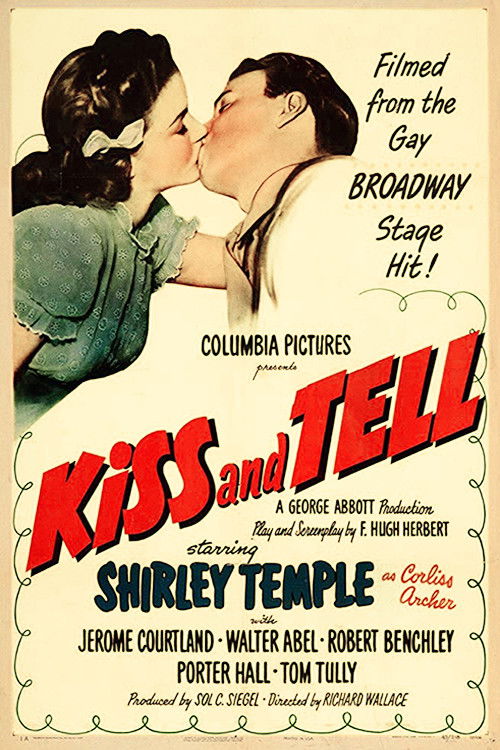
1945
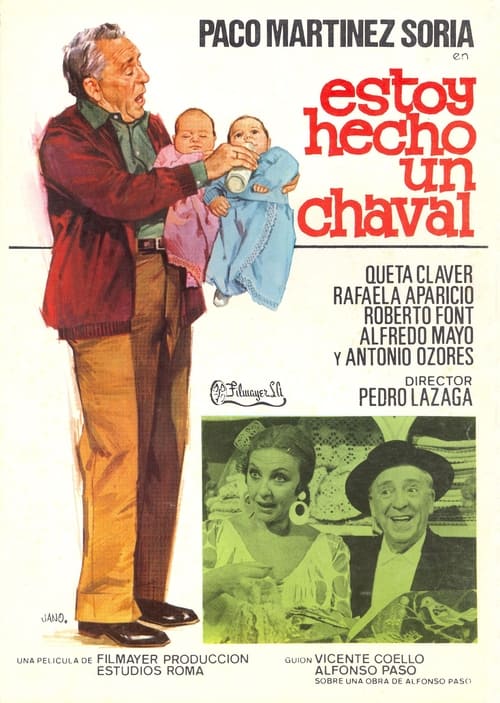
1977
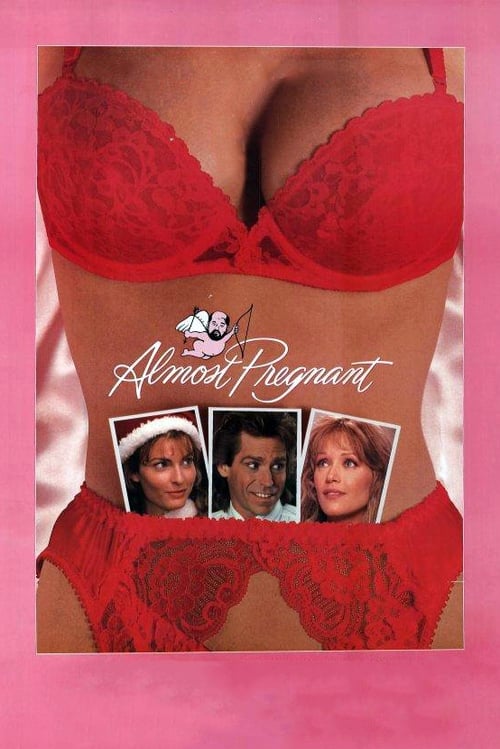
1992
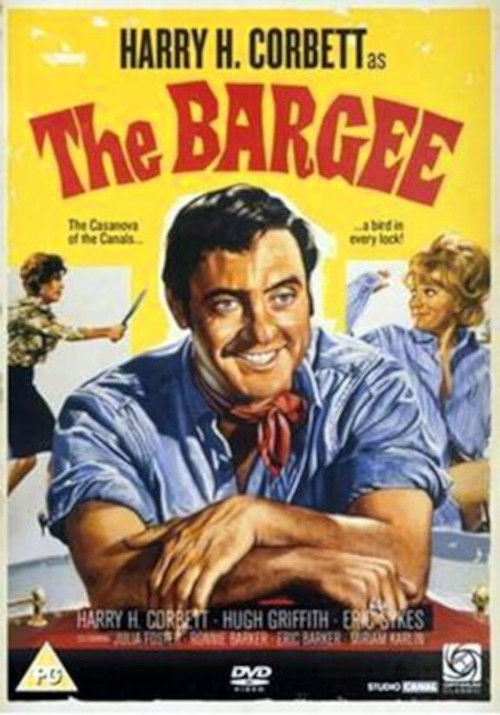
1964

1967
1979
No reviews yet. Be the first to share your thoughts on this movie!
Use the rating form above to leave a star rating and optional review.