
Lunch Hour
1962
No user ratings available yet
Representation score: 0.4 out of 10
Representation Score
Minimal
1962
Director
Sidney Gilliat
Runtime
106 minutes
Average Rating
No ratings yetNew Showbiz Analysis
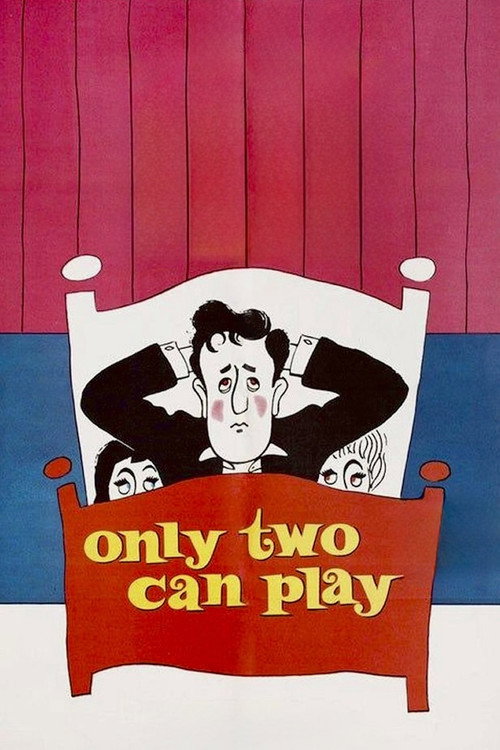
Only Two Can Play is a product of its era, adhering to the social and demographic constraints of 1962 British cinema. The narrative relies on conventional gender roles and a homogeneous cast, offering little in the way of multi-layered complexity. While the film provides a lighthearted look at infidelity, this serves as comedic relief rather than a systemic critique of social institutions. The story remains firmly within the traditional sexual and social paradigms of the period. Ultimately, the film lacks representation for LGBTQ+ individuals, diverse ethnic groups, or people with disabilities, resulting in a narrow social scope.
Category Breakdown
The film focuses solely on heterosexual relationships and does not include any LGBTQ+ narratives or non-binary gender identities.
Gender dynamics follow traditional 1960s patterns. While an affair drives the plot, the male protagonist holds the majority of the ability to act, leaving female characters as mere catalysts for comedy.
The cast and setting reflect a homogeneous social environment. No significant racial or ethnic diversity is used to expand the social landscape.
The film treats infidelity as situational comedy using moral relativism. However, it remains rooted in traditional mid-century British social structures.
There is no representation of physical or neurodivergent disabilities within the character arcs or plot.
Present on Screen
Limited or Absent
Official Synopsis
John Lewis is bored of his job and his wife. Then Liz, wife of a local councillor, sets her sights on him. But this is risky stuff in a Welsh valleys town - if he and Liz ever manage to consummate their affair, that is.
1962

1970

1971

1969

1968

1960
1978

1965
No reviews yet. Be the first to share your thoughts on this movie!
Use the rating form above to leave a star rating and optional review.