The Card
1952
No user ratings available yet
Diversity score: 1.8 out of 10
1963
GDirector
Arthur Hiller
Runtime
107 minutes
Average Rating
No ratings yetSynopsis
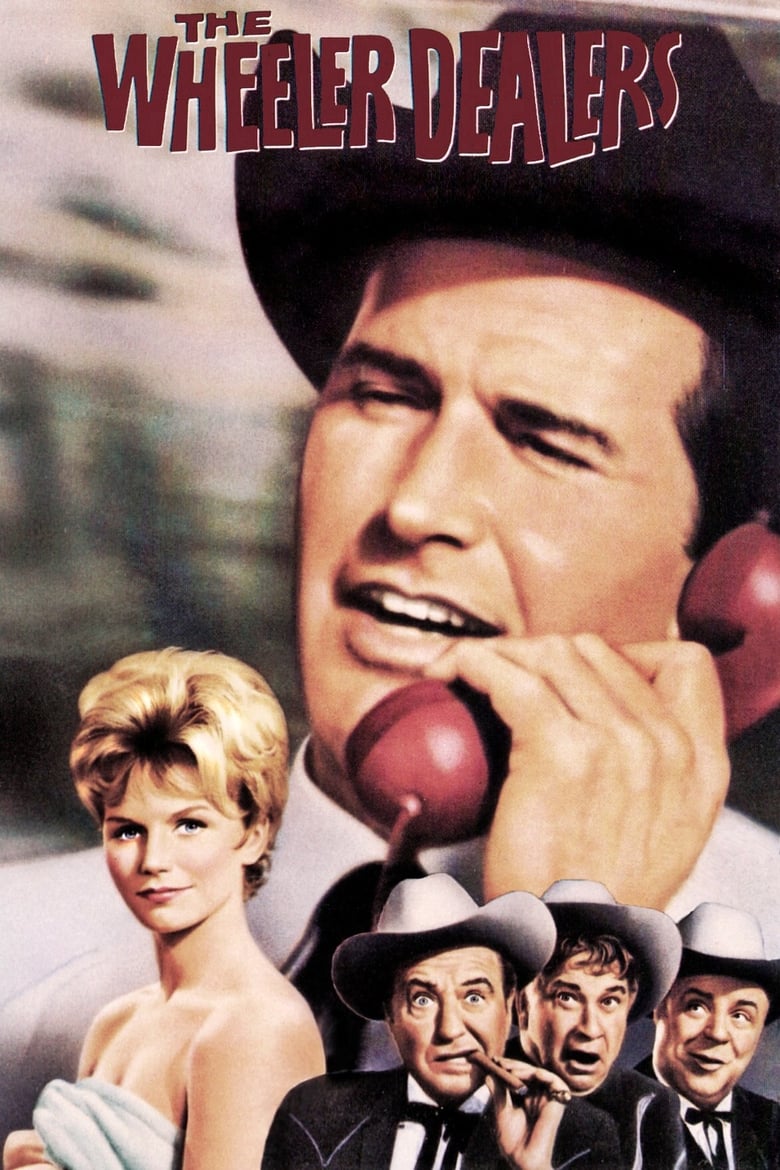
Henry J. Tyroone leaves Texas, where his oil wells are drying up, and arrives in New York with a lot of oil money to play with in the stock market. He meets stock analyst Molly Thatcher, who tries to ignore the lavish attention he spends on her but ...
Overall Score
Minimal
Category Breakdown
LGBTQ+ Representation
The film operates within a strictly heteronormative framework. There are no depictions of non-cisnormative identities or same-sex intimacy.
Gender Representation
The narrative centers on male camaraderie and professional rivalry. While Molly Thatcher is a professional counterpoint, her role primarily functions within traditional romantic tropes.
Racial & Ethnic Diversity
The cast reflects a highly homogeneous social environment. The film lacks meaningful representation, presenting a predominantly white, Anglo-centric view of the financial worlds.
Religious & Cultural Diversity
The film explores capitalism through lighthearted farce rather than systemic critique. It upholds traditional Western social norms and focuses on individual financial success.
Disability Representation
There are no visible or invisible disabilities portrayed. Characters are presented within a standard able-bodied framework without any characters utilizing disability for narrative depth.
Strengths
Areas for Improvement
AI Analysis
The Wheeler Dealers is a period-specific artifact that prioritizes traditional storytelling tropes. It focuses on character-driven comedy that reinforces established social and gendered hierarchies rather than disrupting them. The film lacks intentionality regarding identity or power. It functions as a conventional exploration of class and commerce within a highly traditionalist framework, offering little systemic critique. Ultimately, the narrative architecture adheres to the demographic compositions prevalent in early 1960s cinema, focusing on individualistic pursuits of wealth and conventional romantic structures.
1952
1963
1954

1937
1973
1948
1968
1958

1951
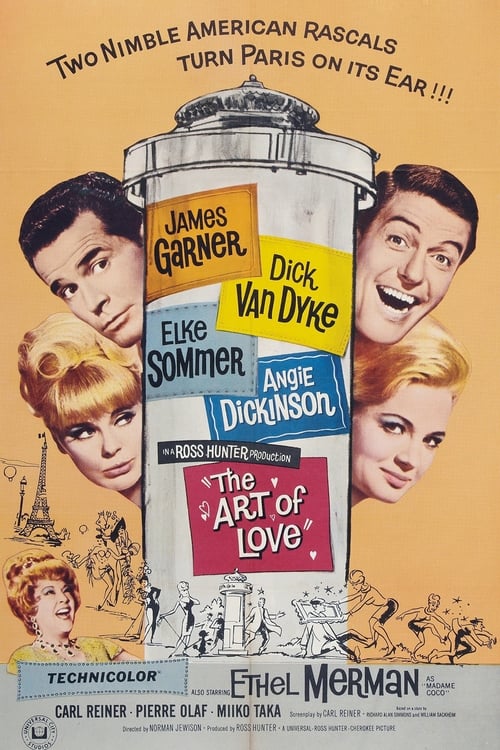
1965
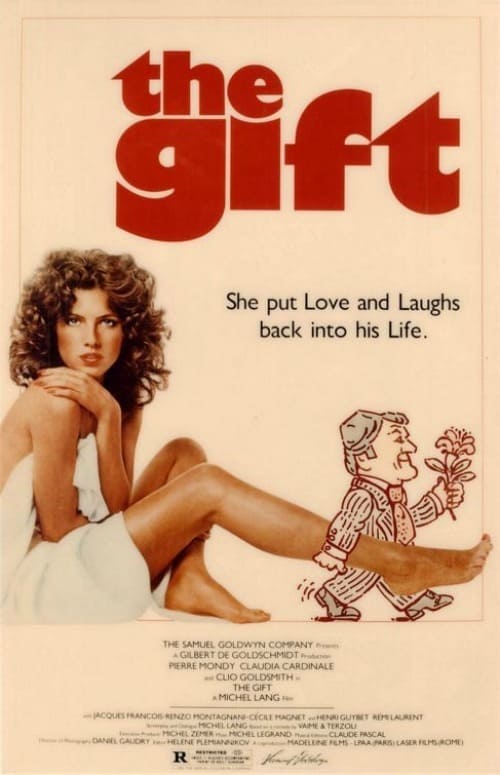
1982
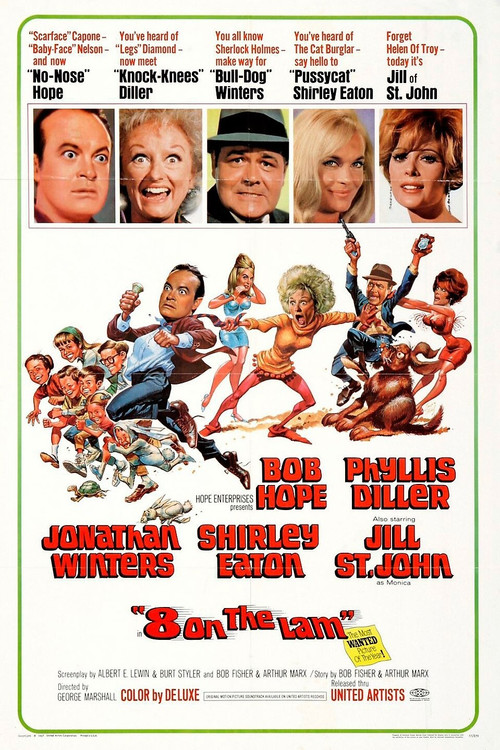
1967
No reviews yet. Be the first to share your thoughts on this movie!
Use the rating form above to leave a star rating and optional review.