The Commandant
1963
No user ratings available yet
Diversity score: 2.7 out of 10
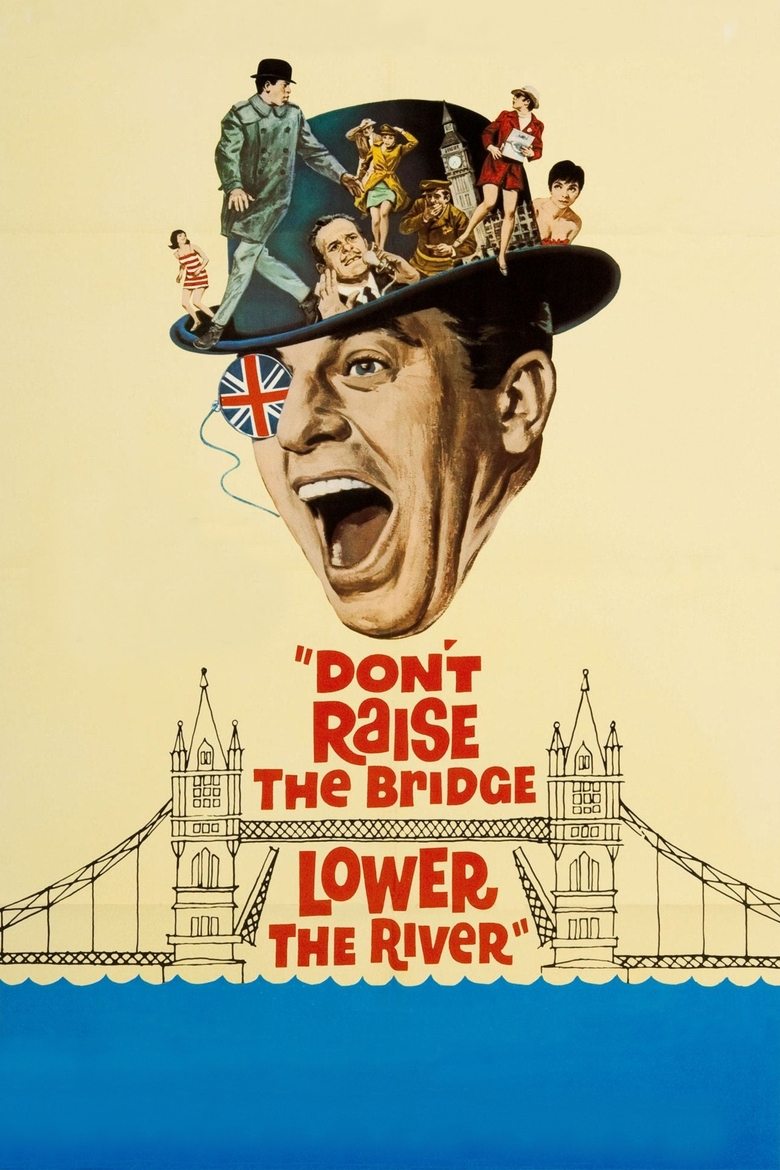
1968
Director
Jerry Paris
Runtime
99 minutes
Average Rating
No ratings yetSynopsis
George Lester is a man who is chasing rainbows, looking for the pot of gold at the end. When his wife, Pamela grows tired of being dragged all over the world, she leaves him. While she is away, George converts her family home into a discotheque, when she returns, she threatens to send George to jail for fraud, cause she didn't give her approval. George needing some fast bucks, decides to turn to an old cohort of his, William Homer but Willy's a little short. George then decides to steal the plans to a new drill, Pamela's suitor, Dudley Heath is working on. But when George gets the mumps, he can't make it to the meeting place and refuses to give Willy the plans unless he gives him the cash first. And the buyers won't give unless they see the merchandise first.
Overall Score
Minimal
Category Breakdown
LGBTQ+ Representation
The film operates within a traditional heteronormative framework. There is no discernible presence of non-cisnormative identities or critiques of heteronormativity within the narrative.
Gender Representation
The story adheres to mid-century gender hierarchies. While Pamela exerts agency by threatening legal action, her role reinforces traditional domestic tensions rather than subverting established power dynamics.
Racial & Ethnic Diversity
The production reflects the demographic homogeneity typical of 1960s comedies. The cast appears predominantly white, lacking evidence of color-blind casting or characters of color with significant agency.
Religious & Cultural Diversity
The narrative focuses on individualistic pursuits and localized domestic disputes. It avoids critiques of Western institutions, framing the protagonist's fraud and theft as comedic character flaws.
Disability Representation
There is no meaningful portrayal of neurodivergence or physical disability. The protagonist's bout with the mumps serves merely as a temporary plot device for comedic timing.
Strengths
Areas for Improvement
AI Analysis
This 1968 comedy is a product of its era, relying on conventional narrative structures and mainstream comedic tropes. It lacks intentionality regarding intersectional identities, focusing instead on individualist mishaps and domestic friction. The film maintains the social hierarchies of the 1960s, presenting a world that is demographically homogeneous and culturally narrow. It does not seek to disrupt conventional expectations or challenge established power dynamics. Ultimately, the work functions as a standard period comedy that avoids systemic critique or diverse representation in favor of traditional storytelling.
1963
1966
1965

1963
1965
1967
1968
1962
1958
1963
1958
1967
No reviews yet. Be the first to share your thoughts on this movie!
Use the rating form above to leave a star rating and optional review.