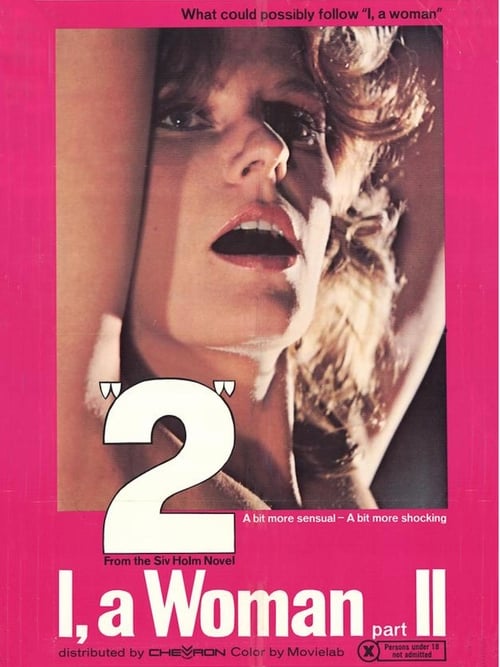
I, a Woman Part II
1968
No user ratings available yet
Diversity score: 4.9 out of 10
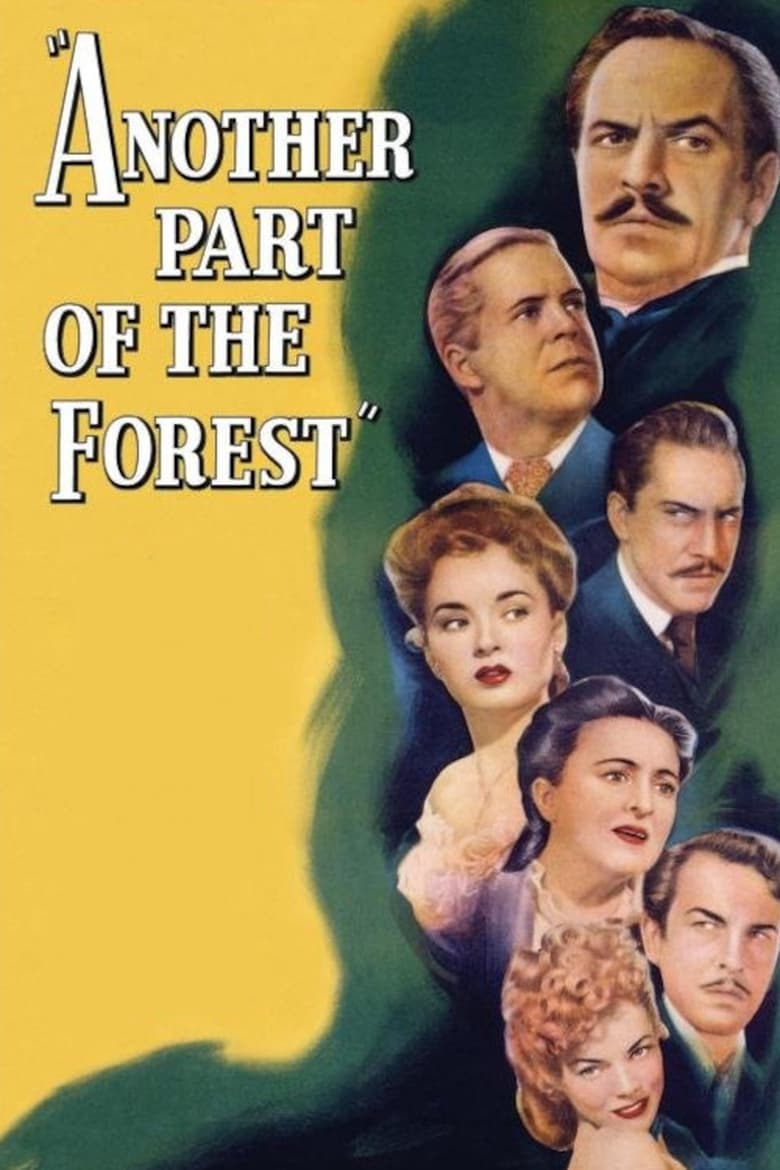
1948
NRDirector
Michael Gordon
Runtime
107 minutes
Average Rating
No ratings yetSynopsis
This 'prequel' to The Little Foxes tells how the ruthless members of the old-South Hubbard family got that way.
Overall Score
Fair
Category Breakdown
LGBTQ+ Representation
The film explores repressed desire and non-heteronormative impulses through characters like Jenni. While constrained by 1948 censorship, it offers a nuanced, queer-coded exploration of unconventional sexuality and disrupted romantic structures.
Gender Representation
The narrative disrupts domestic stability by centering on characters who undermine traditional gender hierarchies. It emphasizes the psychological complexity of women, presenting feminine roles in constant tension with individual agency.
Racial & Ethnic Diversity
The cast is predominantly homogeneous, reflecting the era's social constraints. The film focuses on an insulated, upper-middle-class white family with no significant presence of minority characters.
Religious & Cultural Diversity
The film deconstructs Western institutions by framing the family unit as a site of dysfunction and secrets. It favors moral relativism and individualistic rebellion over traditionalist cohesion and parental authority.
Disability Representation
There is no evidence of characters with visible or invisible disabilities serving as central plot devices or receiving meaningful representation.
Strengths
Areas for Improvement
AI Analysis
Another Part of the Forest functions as a psychological study of a fractured Southern family. It succeeds in subverting mid-century moral frameworks by focusing on the dysfunction of the nuclear family and the complexity of repressed identities. However, the film is heavily limited by its historical context. The lack of racial diversity is a significant drawback, as the narrative remains confined to a homogeneous social stratum. Ultimately, the film's strength lies in its willingness to challenge social hierarchies and traditionalist archetypes, even while operating within the restrictive social norms of 1948.
1968

1947
1958
1940
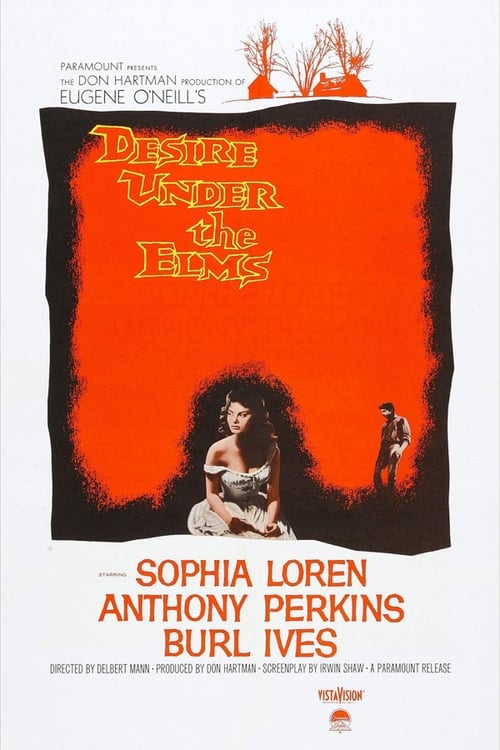
1958
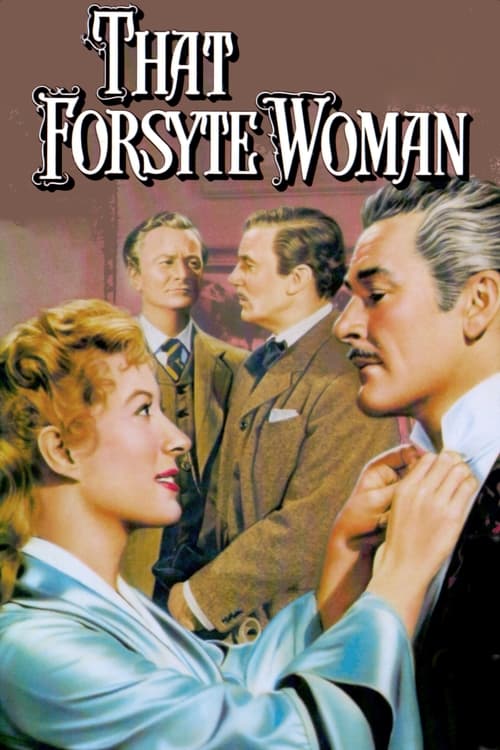
1949
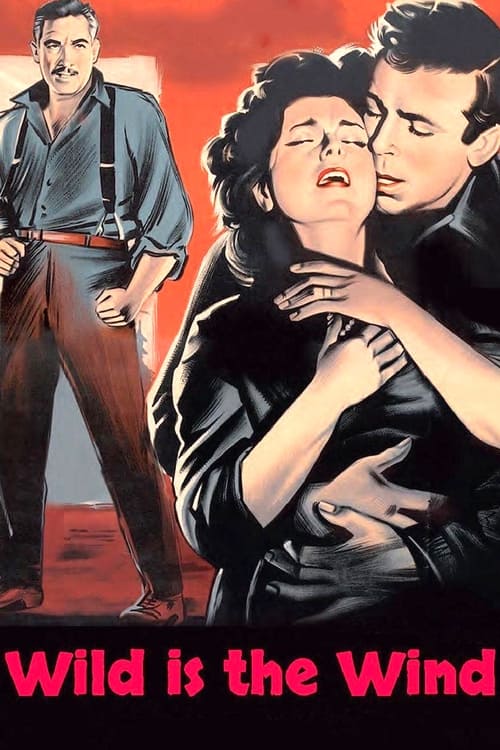
1957
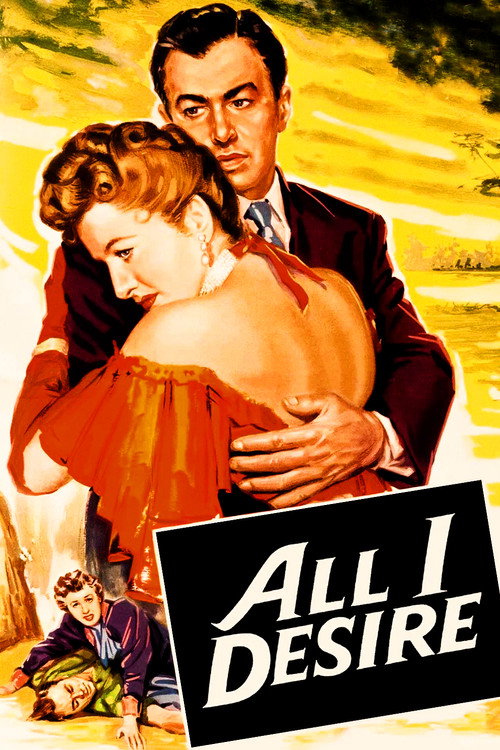
1953
1948
1960

1919
1951
No reviews yet. Be the first to share your thoughts on this movie!
Use the rating form above to leave a star rating and optional review.