
Middle of the Night
1959
No user ratings available yet
Diversity score: 2.3 out of 10
1958
ApprovedDirector
Delbert Mann
Runtime
111 minutes
Average Rating
No ratings yetSynopsis
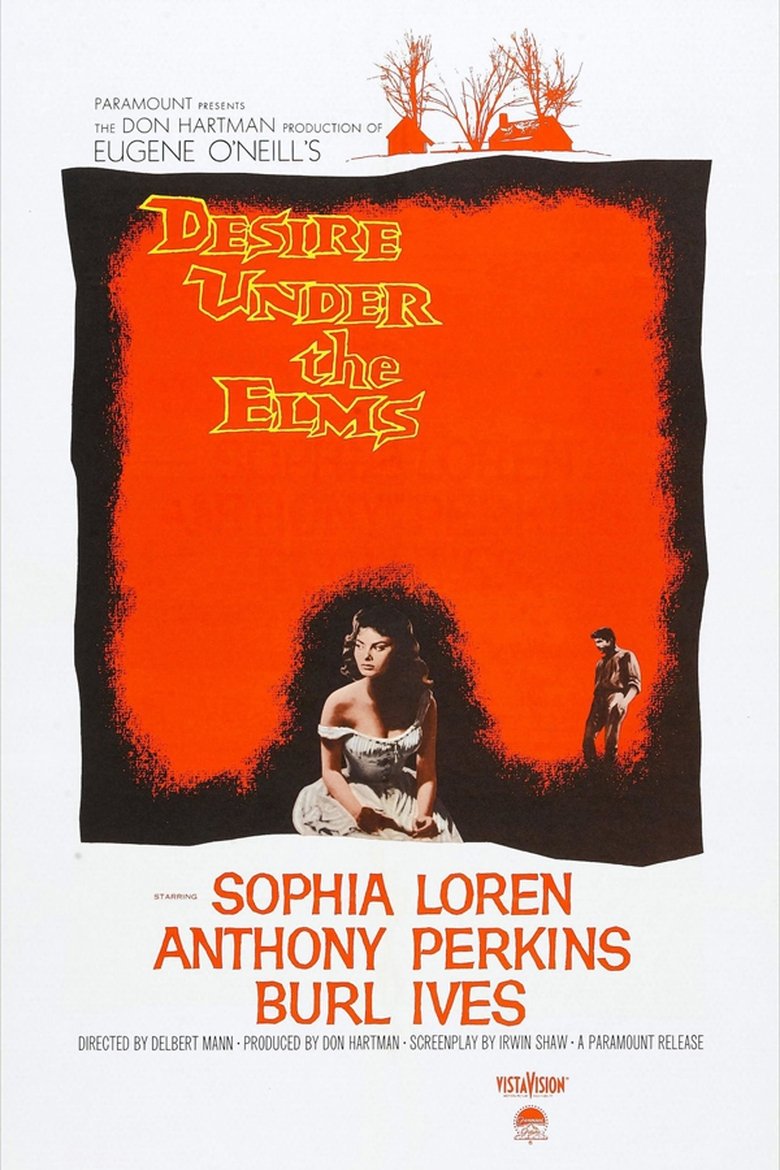
Ephraim Cabot is an old man of amazing vitality who loves his New England farm with a greedy passion. Hating him, and sharing his greed, are the sons of two wives Cabot has overworked into early graves. Most bitter is Eben, whose mother had owned most of the farm, and who feels who should be sole heir. When the old man brings home a new wife, Anna, she becomes a fierce contender to inherit the farm. Two of the sons leave when Eben gives them the fare in return for their shares of the farm. Meanwhile, Anna tries to cause some sparks by rubbing up against Eben.
Overall Score
Fair
Category Breakdown
LGBTQ+ Representation
The film contains no LGBTQ+ characters or non-heteronormative identities. All central romantic and sexual tensions are rooted in heteronormative frameworks.
Gender Representation
Abbie disrupts traditional hierarchies by acting as a primary plot driver with significant agency. The film portrays the patriarch, Ephraim, as a volatile source of tension rather than a stable leader.
Racial & Ethnic Diversity
The cast is a homogeneous white ensemble. This reflects the historical and literary context of a 1950s New England agrarian setting.
Religious & Cultural Diversity
The narrative critiques Western institutions by framing the nuclear family and land ownership as catalysts for greed. It embraces moral relativism rather than a strictly religious framework.
Disability Representation
There are no visible or invisible disabilities portrayed as central to the character arcs or the narrative development.
Strengths
Areas for Improvement
AI Analysis
Desire Under the Elms is a demographically traditional film that finds its strength in narrative subversion. While the cast lacks racial and LGBTQ+ diversity, the story challenges the stability of patriarchal structures and the sanctity of the domestic unit. The film uses the tension between female autonomy and established order to drive its psychological tragedy. By framing the central characters through necessity and repressed impulse, it moves beyond the rigid moralistic expectations of its era. Ultimately, the work functions as a study of individual agency against systemic familial expectations, making it more progressive in theme than in its visual representation.
1959
1958
1957
1970
1951
1955

1932
1957

1978
1976

1970
1952
No reviews yet. Be the first to share your thoughts on this movie!
Use the rating form above to leave a star rating and optional review.