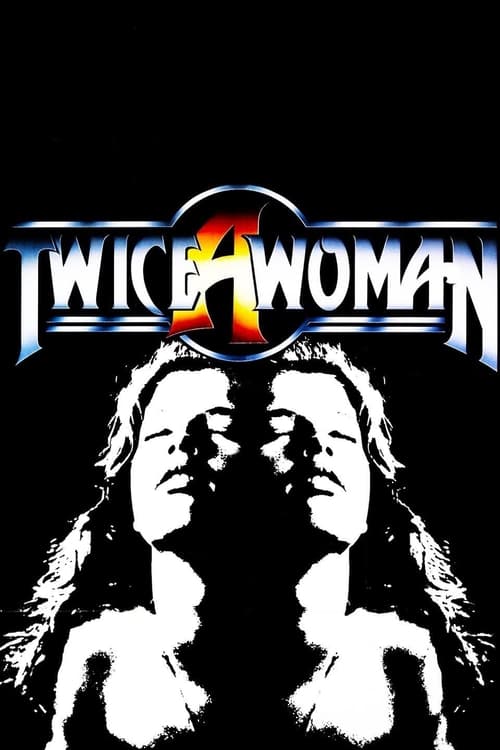
Twice a Woman
1979
No user ratings available yet
Diversity score: 4.2 out of 10

1968
NOT RATEDDirector
Mac Ahlberg
Runtime
88 minutes
Average Rating
No ratings yetSynopsis
Newly married to a sexually perverted German millionaire, Siv submits herself to endless degradation before discovering that her husband harbors a diabolical secret.
Overall Score
Fair
Category Breakdown
LGBTQ+ Representation
The film focuses on a dysfunctional, heteronormative marriage. It explores non-traditional sexual power plays but lacks explicit LGBTQ+ identities or queer perspectives.
Gender Representation
Siv's arc moves from degradation toward discovery, suggesting a reclamation of agency. The film subverts patriarchal tropes by portraying the husband as a source of instability.
Racial & Ethnic Diversity
The narrative appears to follow the homogeneous casting standards of 1960s European drama. There is no evidence of intersectional racial or ethnic diversity.
Religious & Cultural Diversity
The story critiques the sanctity of the nuclear family and traditional Western marital institutions. It uses moral relativism to strip traditional roles of their authority.
Disability Representation
There is no evidence of characters with physical or neurodivergent disabilities within the narrative.
Strengths
Areas for Improvement
AI Analysis
Mac Ahlberg’s film functions as a transgressive exploration of mid-century social mores. It succeeds in deconstructing the traditional domestic hierarchy by replacing the stable patriarchal protector with a volatile, secretive antagonist. This shift allows for a narrative centered on a woman's transition from passivity to agency. However, the film remains limited by the era's casting and thematic boundaries. It lacks intersectional breadth, offering little in the way of racial, ethnic, or LGBTQ+ representation. The focus is strictly on the subversion of sexual norms within a heteronormative framework. Ultimately, the work is a transitional piece of European cinema. It trades traditional moral authority for a critique of the nuclear family, even if it fails to engage with a broader spectrum of human identity.
1979

1975
1986

1975
1986
1969

1977
1961
1969

1967

1965

1964
No reviews yet. Be the first to share your thoughts on this movie!
Use the rating form above to leave a star rating and optional review.