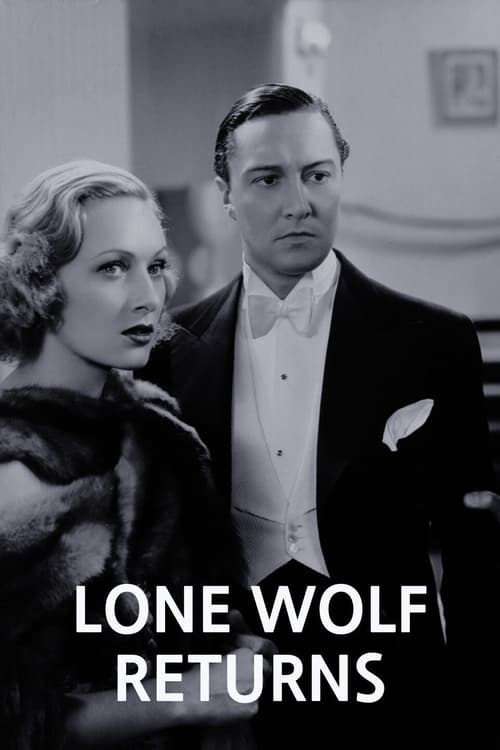
The Lone Wolf Returns
1935
No user ratings available yet
Representation score: 0.4 out of 10
Representation Score
Minimal
1930
PassedDirector
Richard Boleslawski
Runtime
70 minutes
Average Rating
No ratings yetNew Showbiz Analysis
The film functions as a typical mystery-drama that upholds the social hierarchies of the early sound era. It relies heavily on conventional romantic conflicts and period-specific clichés. While women play crucial roles in advancing the plot, the power dynamics remain firmly rooted in traditional authority. The narrative lacks complexity in reflecting multiple aspects of identity and does not offer any systemic critique of the institutions it portrays. Ultimately, the production reflects the social norms of its time, focusing on monarchical honor and traditional jealousy rather than diverse or subversive perspectives.
Category Breakdown
The story centers around traditional heterosexual relationships and infidelity. There are no characters with non-binary or transgender identities, nor any critique of traditional romantic structures.
Women such as the Queen and her lady-in-waiting play key roles in driving the plot. However, their influence is constrained by the traditional power structures and gender stereotypes of the time.
Given its setting in the 1930s, the film likely features an all-white cast with no characters from diverse racial backgrounds.
The film adheres to a traditional Western monarchical framework, emphasizing class hierarchy and social honor. It does not explore any revisionist or secular themes.
There are no characters with physical or cognitive disabilities mentioned in the synopsis.
Present on Screen
Limited or Absent
Official Synopsis
In this entry in the Lone Wolf series, the first to have a soundtrack, the jealousies of the King and the coquettish Queen are chronicled. When His Majesty learns that his wife has given the ring he gave to her to her lover, the King plans a large ball and demands the she wear the token. As her lover is a military attache, he is not in the palace, and the queen must send her lady-in-waiting to bring it back. En route, the lady meets a thief and they team up. She does not know that he has been dispatched by the King to steal ring from the attache.
1935

1935
1926
1939
1941
1938
1932
1939
No reviews yet. Be the first to share your thoughts on this movie!
Use the rating form above to leave a star rating and optional review.