The Lone Wolf Returns
1935
No user ratings available yet
Diversity score: 2.1 out of 10
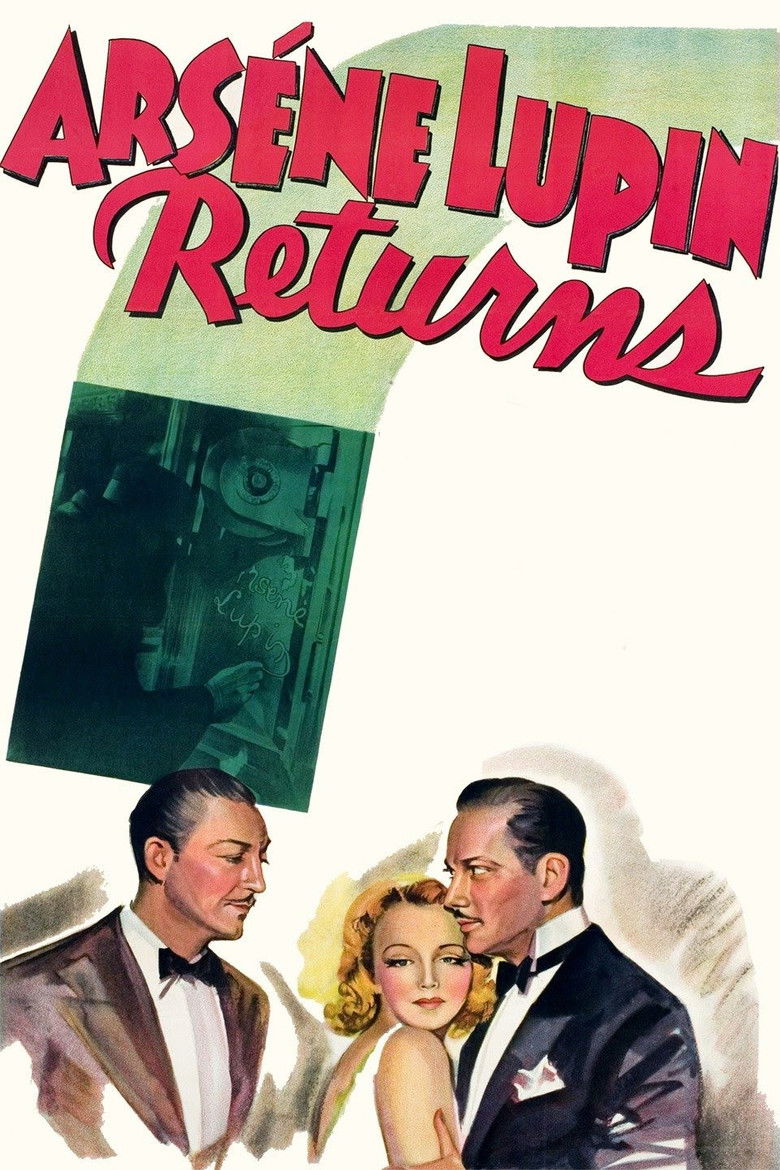
1938
NRDirector
George Fitzmaurice
Runtime
81 minutes
Average Rating
No ratings yetSynopsis
A woman and a man vying for a woman's affection: the usual love trio? Not quite so since the belle in question is Lorraine de Grissac, a very wealthy and alluring society woman, while one of the two rivals is none other than Arsène Lupin, the notorious jewel thief everybody thought dead, now living under the assumed name of René Farrand. As for the other suitor he is an American, a former F.B.I. sleuth turned private eye by the name of Steve Emerson. Steve not only suspects Farrand of being Lupin but when someone attempts to steal a precious emerald necklace from Lorraine's uncle, Count de Brissac, he is persuaded Lupin is the culprit. Is Emerson right or wrong? Which of the two men will win over Lorraine's heart?
Overall Score
Limited
Category Breakdown
LGBTQ+ Representation
The film centers on a heteronormative romantic competition between two men for a woman's affection. It operates within standard 1930s social scripts without any evidence of non-cisnormative identities.
Gender Representation
Lorraine de Grissac serves primarily as a passive object of desire within a traditional gender hierarchy. Agency is concentrated in the male thief and the American investigator.
Racial & Ethnic Diversity
The story focuses on European aristocracy and an American detective. There is no indication of diverse casting or the inclusion of non-Anglo-Saxon characters.
Religious & Cultural Diversity
The narrative relies on Western tropes of high-society wealth and class. It celebrates a high-society milieu rather than deconstructing Western institutions or social hierarchies.
Disability Representation
The available plot details do not mention any characters with visible or invisible disabilities.
Strengths
Areas for Improvement
AI Analysis
Arsène Lupin Returns is a conventional period mystery that adheres strictly to the social and narrative hierarchies of 1938. The plot prioritizes a traditional romantic trio and established genre tropes over any meaningful subversion of systemic norms. The film lacks intersectional complexity, focusing instead on the clash between a notorious jewel thief and a private investigator. This focus reinforces the era's standard storytelling structures and homogeneous casting norms.
1935
1937
1941
1940

1952
1930
1942
1937
1952
1933
1941
1939
No reviews yet. Be the first to share your thoughts on this movie!
Use the rating form above to leave a star rating and optional review.