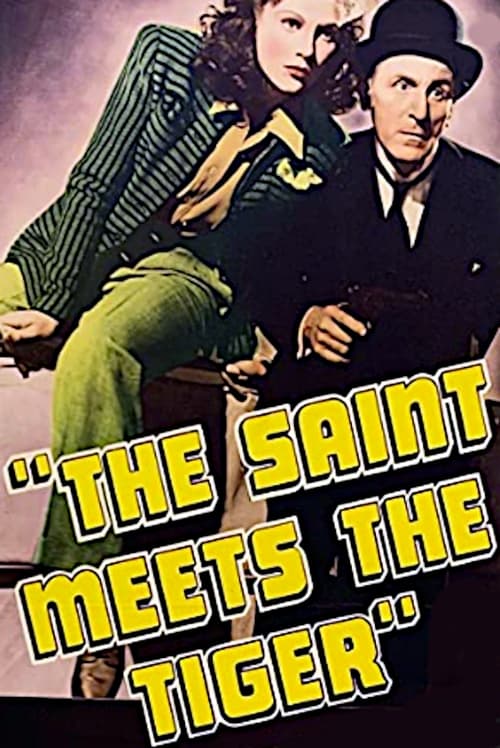
The Saint Meets the Tiger
1941
No user ratings available yet
Diversity score: 2.6 out of 10

1939
NRDirector
John Paddy Carstairs
Runtime
72 minutes
Average Rating
No ratings yetSynopsis
Suave soldier of fortune Simon Templer gets mixed up with a gang of counterfeiters who've murdered and robbed an European count of 1,000,000 pounds. He is aided reluctantly by Scotland Yard inspector Teal, who's convinced that Templar himself pulled off the heist, and less reluctantly by light-fingered Dugan and dizzy socialite Penny Parker.
Overall Score
Limited
Category Breakdown
LGBTQ+ Representation
The film lacks LGBTQ+ characters or non-heteronormative identities. Social dynamics are framed through a traditional lens without subverting heteronormative structures.
Gender Representation
Gender hierarchies are reinforced through traditional archetypes. Simon Templer acts as the high-agency leader, while female characters like Penny Parker are relegated to dizzy socialite foils.
Racial & Ethnic Diversity
The cast appears largely homogeneous, reflecting the era's lack of racial integration. There is no evidence of significant non-Anglo-Saxon representation.
Religious & Cultural Diversity
The narrative offers minor moral complexity by centering on a gentleman thief who bypasses official institutions. However, it operates within a standard class-based social framework.
Disability Representation
There is no evidence of visible or invisible disabilities being addressed. Characters with disabilities are not utilized as plot devices.
Strengths
Areas for Improvement
AI Analysis
The film is a product of its era, functioning as a standard 1930s British mystery. It prioritizes individual heroism and established social order over demographic breadth or intersectional storytelling. While the protagonist's vigilantism provides a minor disruption to the perceived infallibility of law enforcement, this is framed as a personal character trait. The narrative lacks the structural complexity required for a higher progressive rating. Ultimately, the film adheres to the social hierarchies and gendered archetypes prevalent in pre-war Western media, focusing on a singular, charismatic male lead.
1941
1942
1952
1935
1940
1937

1935
1941
1933
1938
1936
1936
No reviews yet. Be the first to share your thoughts on this movie!
Use the rating form above to leave a star rating and optional review.