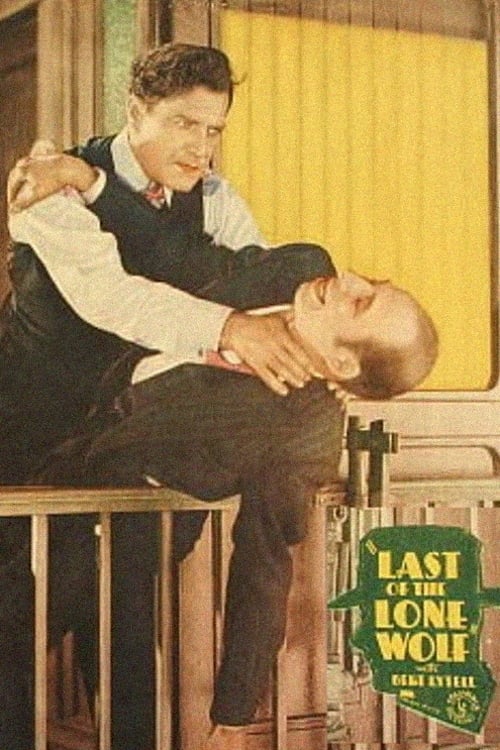
The Last of the Lone Wolf
1930
No user ratings available yet
Diversity score: 2.8 out of 10

1935
NRDirector
Roy William Neill
Runtime
68 minutes
Average Rating
No ratings yetSynopsis
Once a jewel thief always a jewel thief? Yes and no. Yes if you consider the fact that Michael Lanyard also known as the Lone Wolf once retired from the "trade" but relapses back into his old habits when he is tempted by the emerald pendant of beautiful socialite Marcia Stewart. The trouble (?) is that he falls for the belle and he soon gets more interested in getting the girl than the jewels that adorn her. What he wants now is to return the pendant but a rival gang interfere and force him to take part in a big-time caper.
Overall Score
Limited
Category Breakdown
LGBTQ+ Representation
The film contains no discernible presence of non-cisnormative identities. Romantic tension is strictly limited to traditional courtship between the male protagonist and a female socialite.
Gender Representation
Gender hierarchies remain traditional, with Michael Lanyard acting as the primary decision-maker. Marcia Stewart serves largely as a romantic object and a motivator for the male lead's actions.
Racial & Ethnic Diversity
The cast appears homogeneous, reflecting the era's typical urban mystery settings. There is no evidence of characters of color possessing significant agency within the story.
Religious & Cultural Diversity
The narrative reinforces Western values and the sanctity of private property. It prioritizes social stability and high-society aesthetics over any deconstruction of class or economic structures.
Disability Representation
There is no evidence of characters with visible or invisible disabilities. No such identities are utilized as plot devices or portrayed with agency.
Strengths
Areas for Improvement
AI Analysis
The film functions as a quintessential product of the 1930s studio system, prioritizing genre satisfaction over narrative disruption. It upholds established social, gender, and racial hierarchies through its character archetypes and plot structure. Rather than critiquing the status quo, the story reinforces the existing social order. The protagonist's journey from thief to protector serves to validate traditional moral frameworks and class distinctions. Ultimately, the work lacks intersectional complexity. It relies on predictable tropes that reflect the homogeneous and traditionalist landscape of early 20th-century cinema.
1930
1938
1939
1941
1938
1937
1942
1941
1936
1926
1939
1941
No reviews yet. Be the first to share your thoughts on this movie!
Use the rating form above to leave a star rating and optional review.