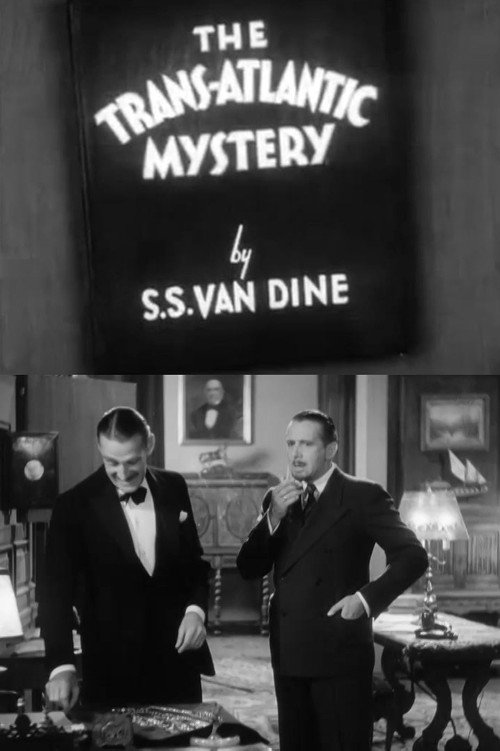
The Trans-Atlantic Mystery
1932
No user ratings available yet
Representation score: 0.3 out of 10
Representation Score
Limited
1923
PassedDirector
Edward Dillon
Runtime
70 minutes
Average Rating
No ratings yetNew Showbiz Analysis
This silent-era mystery film adheres to the social norms of its time, focusing on aristocratic titles and wealth. The plot centers on traditional social hierarchies. Representation is limited by the era’s standards, emphasizing male roles and geopolitical status. The lack of diverse identities and multi-layered complexity narrows the social scope. Overall, the film operates as a conventional genre piece, following the social and cinematic norms of the 1920s without challenging them.
Category Breakdown
The film doesn't depict any LGBTQ+ identities or same-sex relationships, sticking to the heterosexual norms typical of 1920s cinema.
Men like the Czar, the Grand Duke, and John Hawksley play key roles. The story revolves around male ownership and movement of property.
Though set in both Russia and America, the story sticks to the geopolitical norms of the time. The casting reflects the homogeneous standards of early silent films.
The story explores superstition and mysterious artifacts using traditional Western mystery clichés. It doesn’t offer any critique of institutions or systems.
The film doesn't include any characters with physical, sensory, or neurodivergent traits. The narrative doesn't address disability.
Present on Screen
Limited or Absent
Official Synopsis
The story centers around two small statuettes containing valuable emeralds, which are said to project a sinister influence on the possessor. The czar of Russia gives the statuettes to a grand duke, who, in turn, gives them to his secretary, John Hawksley. Hawksley sends them to America in a friend's possession and follows after.
1932
1946
1930
1946

1934
1939
1938
1935
No reviews yet. Be the first to share your thoughts on this movie!
Use the rating form above to leave a star rating and optional review.