Swastika
1974
No user ratings available yet
Representation score: 1.3 out of 10
Representation Score
Fair
1982
Director
Edgardo Cozarinsky
Runtime
105 minutes
Average Rating
No ratings yetNew Showbiz Analysis
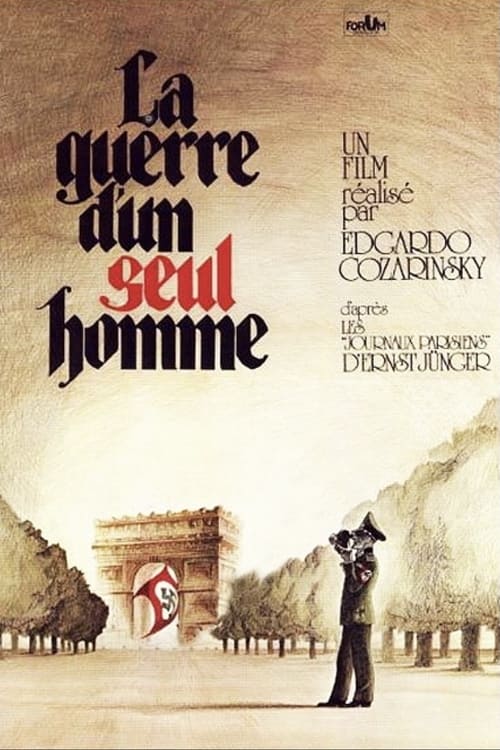
One Man's War is a sophisticated deconstruction of historical documentation. By combining Ernst Jünger's personal journals with newsreel footage, the film disrupts traditional nationalist epics in favor of a fragmented, subjective reconstruction of history. The work challenges monolithic truths through a postmodernist approach, using found objects to explore the quiet, internal experience of an individual during a major geopolitical conflict. However, the film is constrained by its reliance on period-specific newsreels and a singular male perspective, limiting the breadth of racial and gender diversity presented on screen.
Category Breakdown
While there are no explicit queer protagonists, the film explores the experiences of outsiders and private identities, offering a nuanced view of life outside state-mandated roles.
The story focuses on a male officer's journal entries. It avoids the clichés of hyper-masculinity by emphasizing everyday, domestic observations rather than traditional military bravado.
The film's representation is limited by the historical constraints of archival newsreel footage. The focus remains primarily on the German officer's psychological state and the Parisian landscape.
The film stands out by rejecting Western wartime myths. It challenges the 'great man' theory of history through a fragmented, subjective, and non-linear approach.
There is no documented evidence regarding the portrayal of physical or neurodivergent disabilities in this work.
Present on Screen
Limited or Absent
Official Synopsis
Via the New York Times: "...a dialogue between found objects... the remarkably calm, somewhat banal wartime journals of Ernst Junger, a German writer and army officer living in occupied Paris in World War II, and newsreel footage of Paris as it really was."
1974
2018
1971
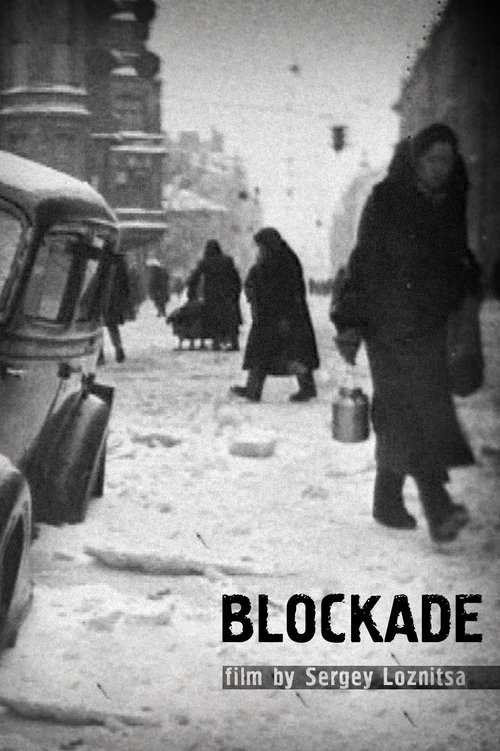
2006
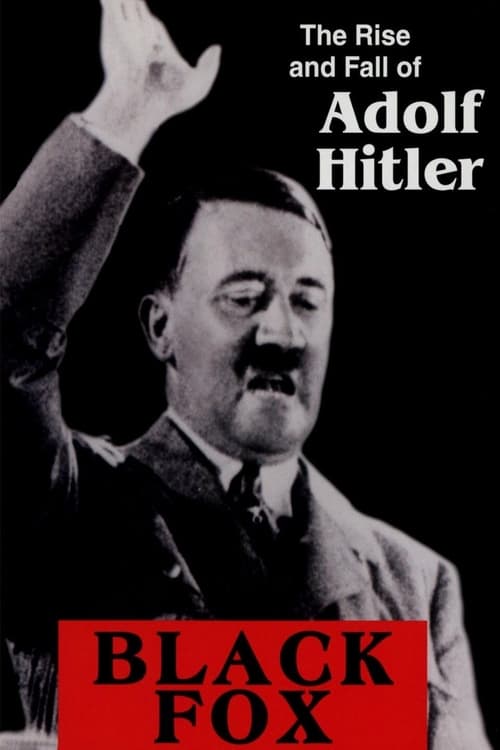
1962
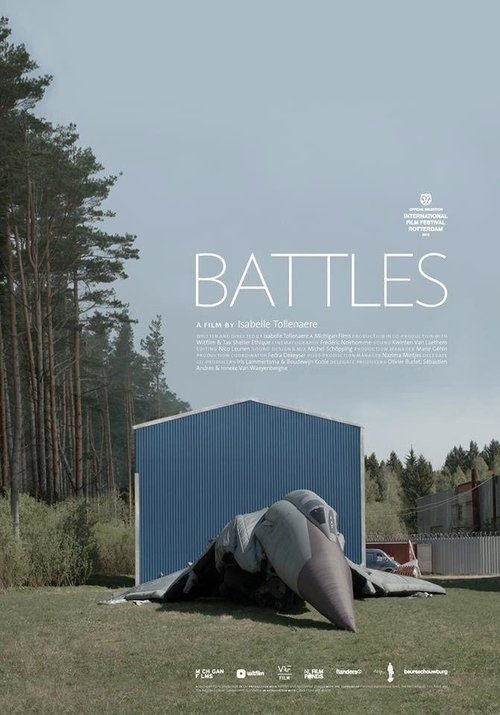
2015
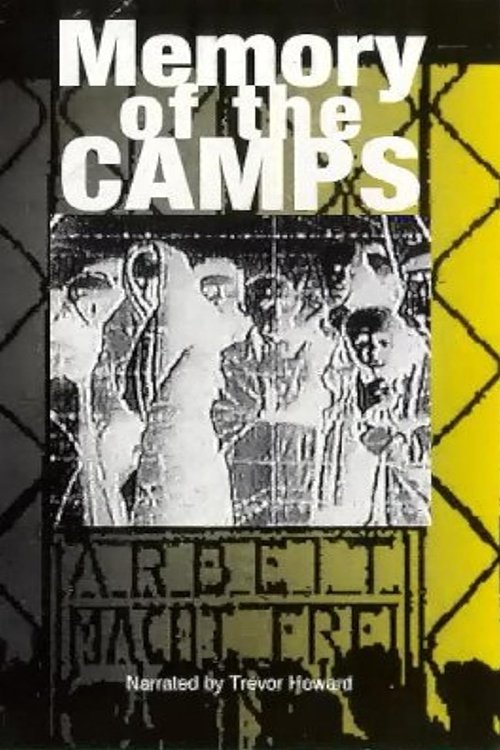
1985
2017
No reviews yet. Be the first to share your thoughts on this movie!
Use the rating form above to leave a star rating and optional review.