Swastika
1974
No user ratings available yet
Representation score: 1.3 out of 10
Representation Score
Limited
1971
PGDirector
Marcel Ophüls
Runtime
259 minutes
Average Rating
No ratings yetNew Showbiz Analysis
Marcel Ophüls delivers a profound deconstruction of national myth-making. By using a multi-perspective structure, the film replaces moral absolutism with a nuanced examination of human actions and systemic failures during the German occupation. The documentary's strength lies in its refusal to provide a comforting, unified history. Instead, it prioritizes fragmented, individual testimonies to expose the complexities of collaboration and passivity. While the film is limited by its specific European historical focus, it remains a landmark of narrative subversion that questions power dynamics rather than reinforcing nationalistic clichés.
Category Breakdown
The documentary focuses on the political and moral fractures of wartime France and does not include any LGBTQ+ characters or narratives addressing non-straight relationships.
Women are shown in their historical roles, both in the Resistance and domestic life. However, the film does not center on gender-based power struggles as a primary narrative driver.
The subject matter centers on French and German populations. While the film addresses anti-Semitism and xenophobia, the interviewees reflect the ethnic homogeneity of the period.
The film excels by deconstructing the myth of French national unity. It portrays the Vichy government and religious institutions as complicit entities rather than stable pillars.
There is no specific focus on visible or invisible disabilities within the primary narrative or among the interview subjects.
Present on Screen
Limited or Absent
Official Synopsis
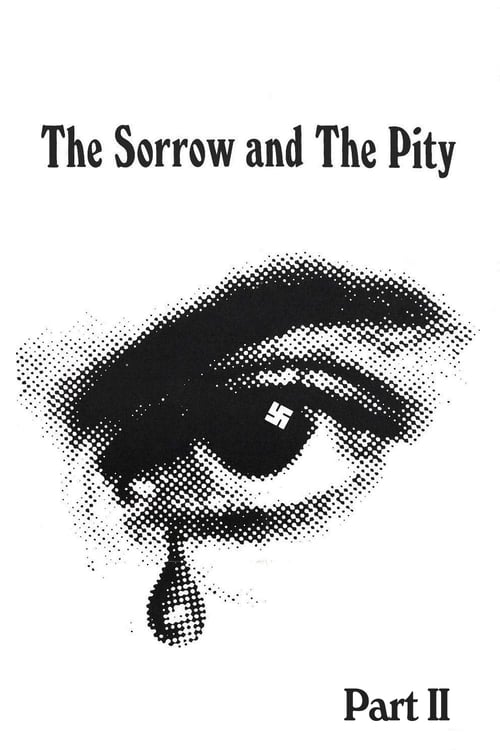
From 1940 to 1944, France's Vichy government collaborated with Nazi Germany. Marcel Ophüls mixes archival footage with 1969 interviews of a German officer and of collaborators and resistance fighters from Clermont-Ferrand. They comment on the nature, details and reasons for the collaboration, from anti-Semitism, xenophobia, and fear of Bolsheviks, to simple caution. Part one, "The Collapse," includes an extended interview with Pierre Mendès-France, jailed for anti-Vichy action and later France's Prime Minister. At the heart of part two, "The Choice," is an interview with Christian de la Mazière, one of 7,000 French youth to fight on the eastern front wearing German uniforms.
1974
1998
1962
1985
2015
2018
2004
1982
No reviews yet. Be the first to share your thoughts on this movie!
Use the rating form above to leave a star rating and optional review.