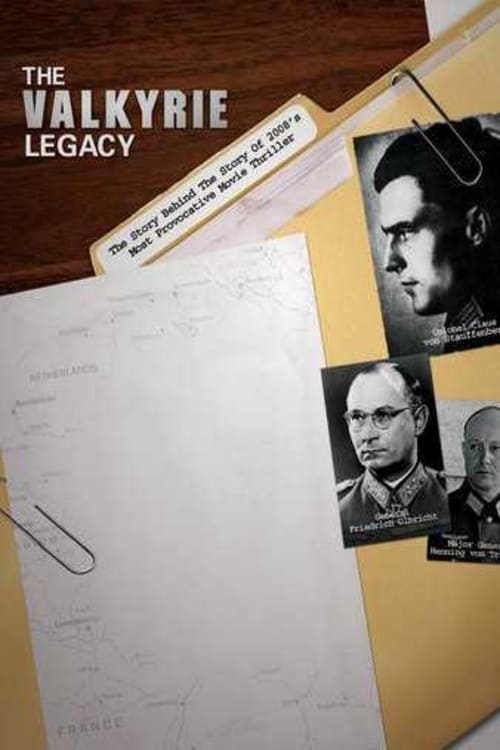
The Valkyrie Legacy
2008
No user ratings available yet
Representation score: 1.4 out of 10

Representation Score
Fair
2012
Director
Min Sook Lee
Runtime
50 minutes
Average Rating
No ratings yetNew Showbiz Analysis
The documentary serves as a powerful historical corrective by centering the ability to act of underrepresented ethnic groups against a systemic oppressor. It successfully reframes wartime history through the lens of identity-driven resistance. However, the film is limited by the gendered and straight-centered realities of 1940s military operations. The focus on a specialized male unit restricts its scope regarding gender and LGBTQ+ representation. Ultimately, the film's strength lies in its ability to move away from monolithic depictions of war, offering a more nuanced understanding of how persecuted individuals disrupted global power dynamics.
Category Breakdown
The film does not include any explicit references to LGBTQ+ characters or non-straight relationships. The focus remains on a specific wartime tactical unit.
The documentary emphasizes traditional masculine roles such as combat and sabotage. It reflects historical military realities but does not give much ability to act to female characters.
The film highlights the ability to act of Jewish refugees operating within Nazi-occupied territory. This disrupts conventional historical narratives by centering persecuted minorities in high-stakes military contexts.
The narrative critiques authoritarian power structures by framing resistance against the Nazi regime as a heroic endeavor. It prioritizes the dismantling of oppressive, centralized institutions.
There is no discernible evidence regarding the portrayal of physical or neurodivergent disabilities within the provided historical context.
Present on Screen
Limited or Absent
Official Synopsis
The truth is way stranger than fiction,” muses one interviewee in this unbelievable true account of an incredible war time saga. As the Second World War was coming to a close, the US Office of Strategic Services trained and parachuted two Jewish refugees and a German deserter deep into Nazi occupied Austria. Through vivid first-person accounts, re-enactments, archival footage and learned commentary, the film reveals how their efforts disrupted a vital supply route between Germany and the Italian front to bring about the surrender of Innsbruck to Allied Forces. Their unbelievable adventure has a finale that beats any Hollywood movie hands down — but a story so powerful that it became the basis for Quentin Tarantino’s mega hit.
2008

1966
2012

2009
2000

2008
2015

2007
No reviews yet. Be the first to share your thoughts on this movie!
Use the rating form above to leave a star rating and optional review.