The Liberators
2016
No user ratings available yet
Representation score: 3.8 out of 10
Representation Score
Good
2007
UnratedDirector
Bonni Cohen, Richard Berge, Nicole Newnham
Runtime
117 minutes
Average Rating
No ratings yetNew Showbiz Analysis
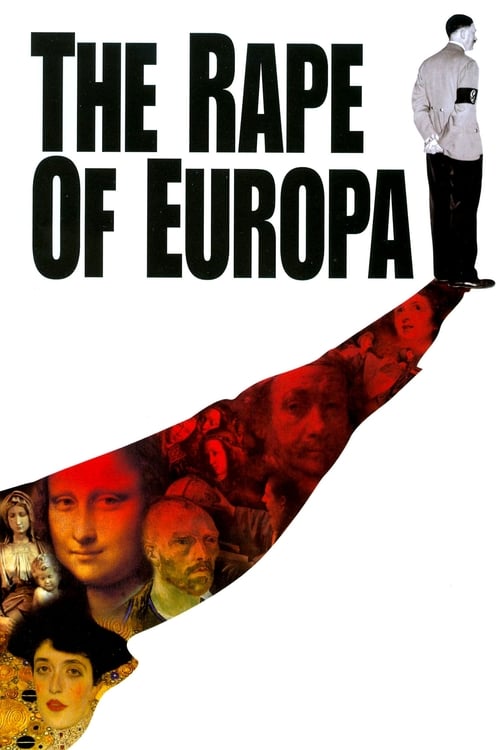
The Rape of Europa is a sophisticated historical investigation that focuses on systemic and structural analysis rather than individual identity politics. It excels at deconstructing European power hierarchies and the complexities of national sovereignty. While the film offers a nuanced view of cultural heritage and gendered authority, it remains largely silent on LGBTQ+ and disability narratives. The documentary succeeds as a postmodern critique of Western hegemony, even if it lacks specific representation for certain underrepresented groups.
Category Breakdown
The documentary does not focus on LGBTQ+ identities or non-straight relationships. There is no direct critique of the assumption that everyone is straight or cisgender.
The film presents diverse political figures and commentators, including women in positions of intellectual and political authority, thus avoiding a narrow focus on male leadership.
The film examines diverse ethnic and national identities, moving beyond an Anglo-centric perspective to highlight the complexities between Eastern and Western European identities.
The documentary engages with post-colonial and anti-capitalist themes, critiquing neoliberal frameworks and exploring the tension between supranational institutions and local sovereignty through various national perspectives.
The film does not focus on visible or invisible disabilities. It prioritizes political, historical, and socioeconomic issues over individual narratives of neurodivergence or physical disability.
Present on Screen
Limited or Absent
Official Synopsis
World War II was not just the most destructive conflict in humanity, it was also the greatest theft in history: lives, families, communities, property, culture and heritage were all stolen. The story of Nazi Germany's plundering of Europe's great works of art during World War II and Allied efforts to minimize the damage.
2016
2019
2000
2015
1962
2012
1974
2008
No reviews yet. Be the first to share your thoughts on this movie!
Use the rating form above to leave a star rating and optional review.