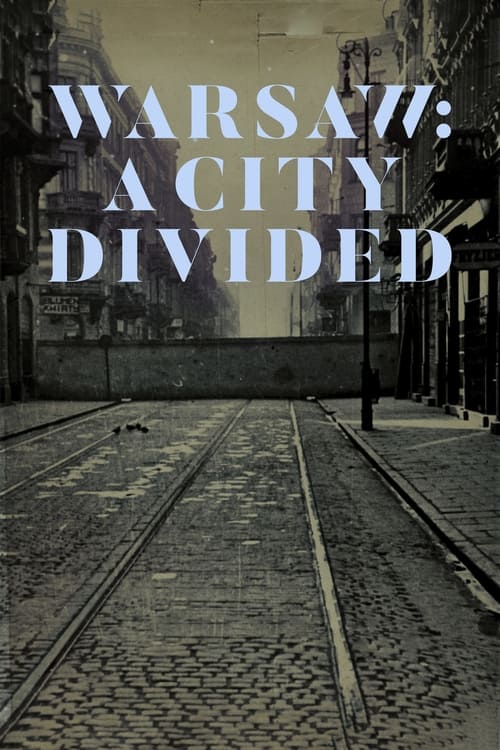
Warsaw: A City Divided
2019
No user ratings available yet
Representation score: 8.1 out of 10
Representation Score
Good
2018
Director
Roberta Grossman
Runtime
95 minutes
Average Rating
No ratings yetNew Showbiz Analysis
Roberta Grossman’s documentary serves as a restorative historical project that uses feminist historiography to reconstruct the lived experiences of Jewish women. By centering those historically sidelined, the film challenges established academic hierarchies and traditional male-centric records. The film's primary strength lies in transforming historical silence into a narrative of ability to act. It disrupts gendered power dynamics and religious social norms by presenting women as active agents of historical preservation. While the film offers a sophisticated look at ethnic diversity within the Jewish diaspora, it lacks explicit focus on LGBTQ+ narratives or disability representation.
Category Breakdown
The film explores the intersection of gender and religion, but it does not explicitly depict queer lives or non-traditional family structures. However, it challenges traditional social structures.
The documentary positions women as active agents of resistance, highlighting their intellectual contributions to dismantle traditional patriarchal hierarchies and male-dominated leadership.
The narrative avoids a monolithic portrayal by recognizing the distinct cultural experiences of Sephardic and Ashkenazi communities, providing a nuanced view of the Jewish diaspora.
The film examines the tension between religious institutions and individual autonomy. It critiques how patriarchal interpretations of religious law have historically functioned as systems of control.
There is no evidence within the film to evaluate specific depictions of physical or neurodivergent disabilities.
Present on Screen
Limited or Absent
Official Synopsis
Documentary about a group of Jews, who collected and hid a lot of stories and documents about everyday jewish life in the Warsaw Ghetto.
2019
1998
2022
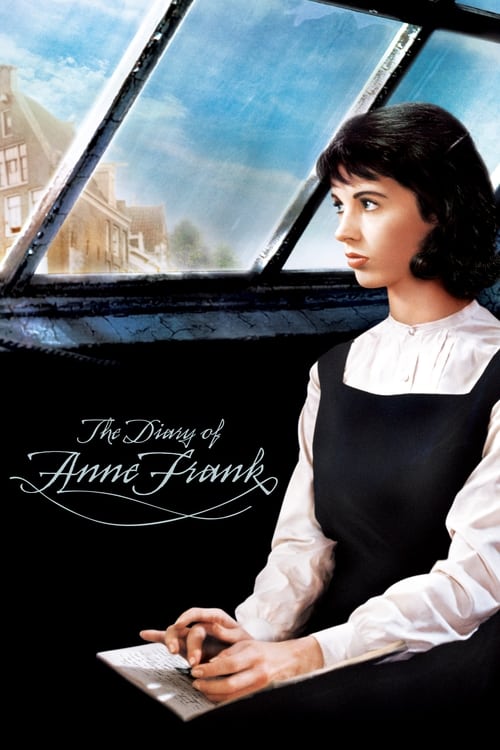
1959
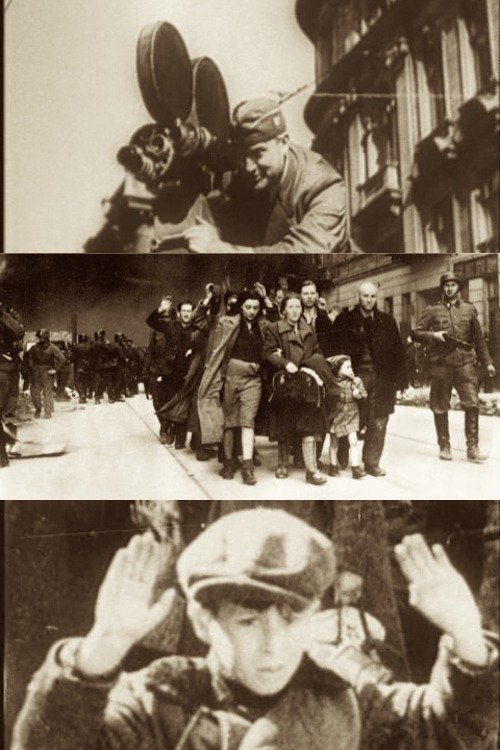
1942
1985
2016

2021
No reviews yet. Be the first to share your thoughts on this movie!
Use the rating form above to leave a star rating and optional review.