
D-Day to Berlin
2004
No user ratings available yet
Representation score: 4.0 out of 10
Representation Score
Limited
2014
GDirector
Pascal Vuong
Runtime
40 minutes
Average Rating
No ratings yetNew Showbiz Analysis
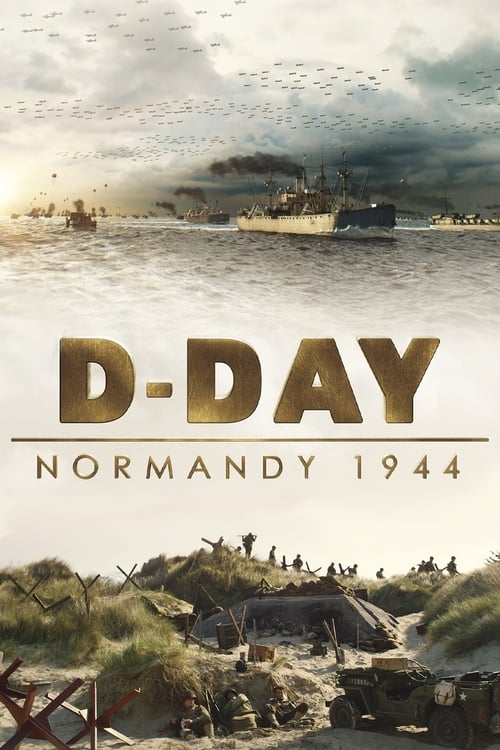
D-Day: Normandy 1944 is a technical and historical tribute to the Normandy invasion. It prioritizes the high-fidelity reconstruction of military strategy and technological advancements over modern storytelling that reflects multiple aspects of identity. The film adheres closely to the historical realities of the 1940s, resulting in a narrative dominated by male combatants and Western institutional values. While it captures the multi-ethnic makeup of the Allied forces, it does not seek to challenge traditional social hierarchies. Ultimately, the documentary serves as an educational tool for historical preservation, reflecting its commitment to a conventional, period-accurate historical narrative.
Category Breakdown
The film focuses on the military strategy and historical events surrounding the Normandy invasion. There are no characters or narratives that explore LGBTQ+ identities.
The film reflects the male-dominated military environment of 1944. While it explores human values, the story primarily centers on male combatants and strategists.
The documentary captures the multi-ethnic composition of the Allied forces through historical reconstruction. However, the focus remains on a specific Western historical milestone.
The film operates within traditional Western frameworks emphasizing patriotism, duty, and gratitude. It highlights the preservation of democratic values and Western military triumphs.
The film focuses on large-scale military movements and technology. Physical disabilities are shown as byproducts of combat but are not explored through a lens of ability to act.
Present on Screen
Limited or Absent
Official Synopsis
June 6, 1944: The largest Allied operation of World War II began in Normandy, France. Yet, few know in detail exactly why and how, from the end of 1943 through August 1944, this region became the most important location in the world. Blending multiple cinematographic techniques, including animation, CGI and stunning live-action images, “D-Day: Normandy 1944” brings this monumental event to the world’s largest screens for the first time ever. Audiences of all ages, including new generations, will discover from a new perspective how this landing changed the world. Exploring history, military strategy, science, technology and human values, the film will educate and appeal to all. Narrated by Tom Brokaw, “D-Day: Normandy 1944” pays tribute to those who gave their lives for our freedom… A duty of memory, a duty of gratitude.
2004

2012
2012
2018

2010
2014

2003

1994
No reviews yet. Be the first to share your thoughts on this movie!
Use the rating form above to leave a star rating and optional review.