
Hitler in Colour
2005
No user ratings available yet
Representation score: 1.1 out of 10
Representation Score
Minimal
1974
NRDirector
Philippe Mora
Runtime
96 minutes
Average Rating
No ratings yetNew Showbiz Analysis
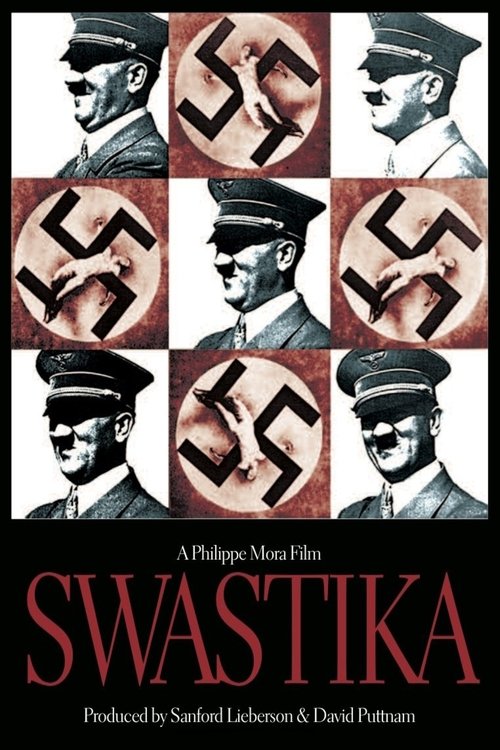
Swastika is a historical documentary composed of archival footage, newsreels, and personal home movies. Because it documents the Nazi regime, the content is inherently shaped by the era's oppressive social structures and racial ideologies. The film does not aim for contemporary progressive representation. Instead, it acts as a critical examination of the regime, using the juxtaposition of state propaganda and private footage to expose the gap between political myth and reality. While the diversity scores are low, the film's value lies in its analytical framework. It provides a critical lens to observe the systemic corruption and the enforcement of rigid hierarchies during the mid-20th century.
Category Breakdown
The film does not include any LGBTQ+ characters or stories. The archival material highlights the rigid, straight-centered social engineering typical of the Third Reich era.
Representation is limited to traditional feminine roles of the time. While Eva Braun's personal footage offers a rare private glimpse, it reinforces submissive gender hierarchies rather than challenging them.
The footage reflects the era's racial ideologies, focusing almost exclusively on a homogeneous white population. It serves as a record of a period defined by systemic exclusion and racial hierarchy.
The film critiques totalitarianism and nationalism by exposing how the regime infiltrated civilian life and corrupted state structures. It deconstructs historical power dynamics.
There is no evidence of individuals with disabilities having significant roles. The material reflects a historical context defined by eugenics-based policies rather than inclusive representation.
Present on Screen
Limited or Absent
Official Synopsis
Comprised of footage shot during the Nazi regime, including propaganda, newsreels, broadcasts and even some of Eva Braun's colorized personal home movies, we explore the way in which the Third Reich infiltrated the lives of the German population, from 1933 to 1945.
2005

1935
1962

1971
2015

2012
1985

2021
No reviews yet. Be the first to share your thoughts on this movie!
Use the rating form above to leave a star rating and optional review.