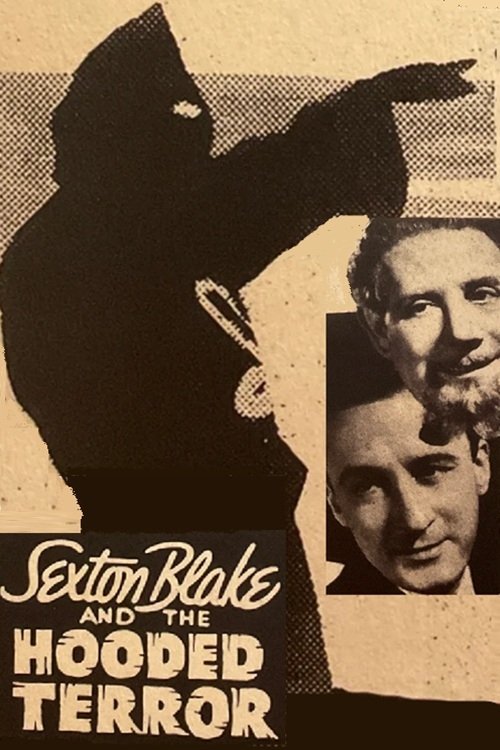
Sexton Blake and the Hooded Terror
1938
No user ratings available yet
Representation score: 2.6 out of 10
Representation Score
Minimal
1938
ApprovedDirector
Ben Holmes
Runtime
69 minutes
Average Rating
No ratings yetNew Showbiz Analysis
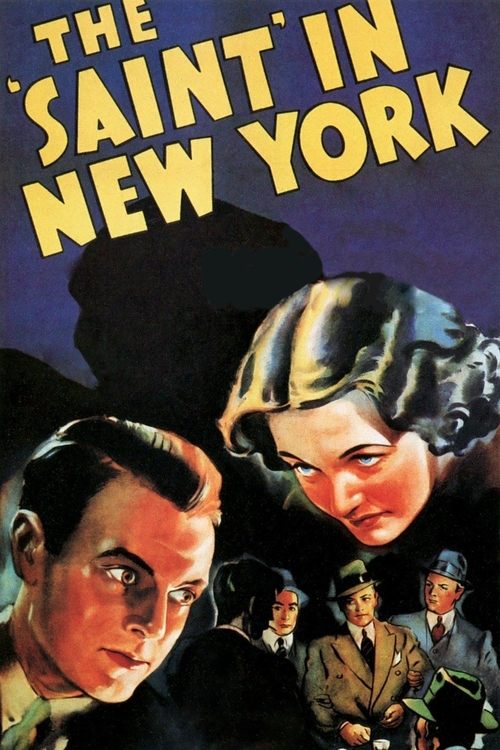
The Saint in New York is a period-specific crime thriller that prioritizes genre conventions over social subversion. The narrative is centered around a singular, masculine hero, limiting representation to traditional archetypes of the era. While the film touches on themes of institutional corruption, it does so through the lens of individualistic vigilante justice, maintaining established social hierarchies. Ultimately, the film functions as a standard genre piece without intentionally disrupting conventional narrative expectations or providing meaningful representation for underrepresented groups.
Category Breakdown
The film follows the traditional norms of 1938 cinema and does not include any queer subtext or non-cisgender identities.
The story centers on Simon Templar, reinforcing traditional masculine archetypes of the heroic individual. The power dynamics revolve around his intellectual dominance and ability to act.
The narrative focuses on an English protagonist navigating a hierarchy of crime bosses in New York. It lacks diverse casting or ethnic representation.
While exploring corruption and moral complexity, the film reinforces individualistic justice. It operates within a traditional morality framework without critiquing systemic institutions.
There is no mention of characters with visible or invisible disabilities. The film does not address neurodivergence or physical impairments.
Present on Screen
Limited or Absent
Official Synopsis
A crime spree in New York forces the police commissioner to turn to Englishman Simon Templar, who fights lawlessness and corruption through unorthodox methods. Templar sets his sights on individual crimes bosses, and after bringing down two vicious leaders through disguise and deception, discovers that there is a mastermind behind all the city's crime.
1938

1922

1953

1968
1952
1941

1951
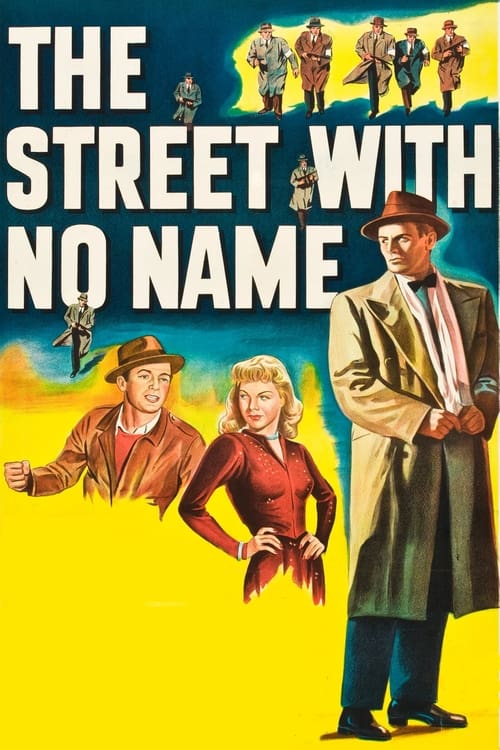
1948
No reviews yet. Be the first to share your thoughts on this movie!
Use the rating form above to leave a star rating and optional review.