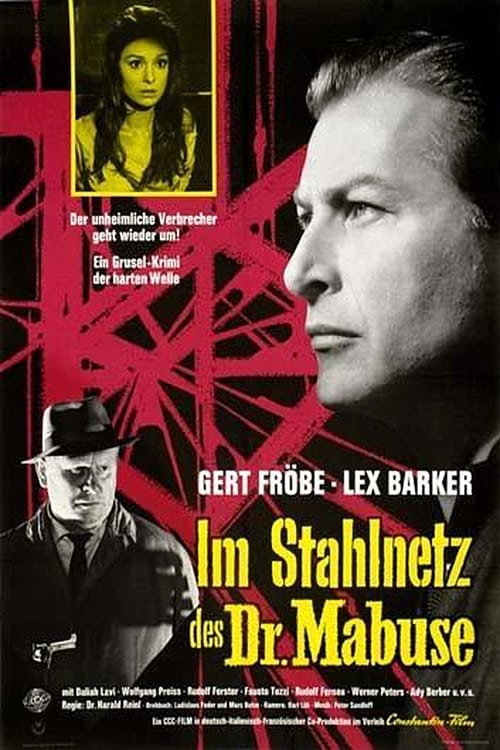
The Return of Dr. Mabuse
1961
No user ratings available yet
Diversity score: 2.2 out of 10
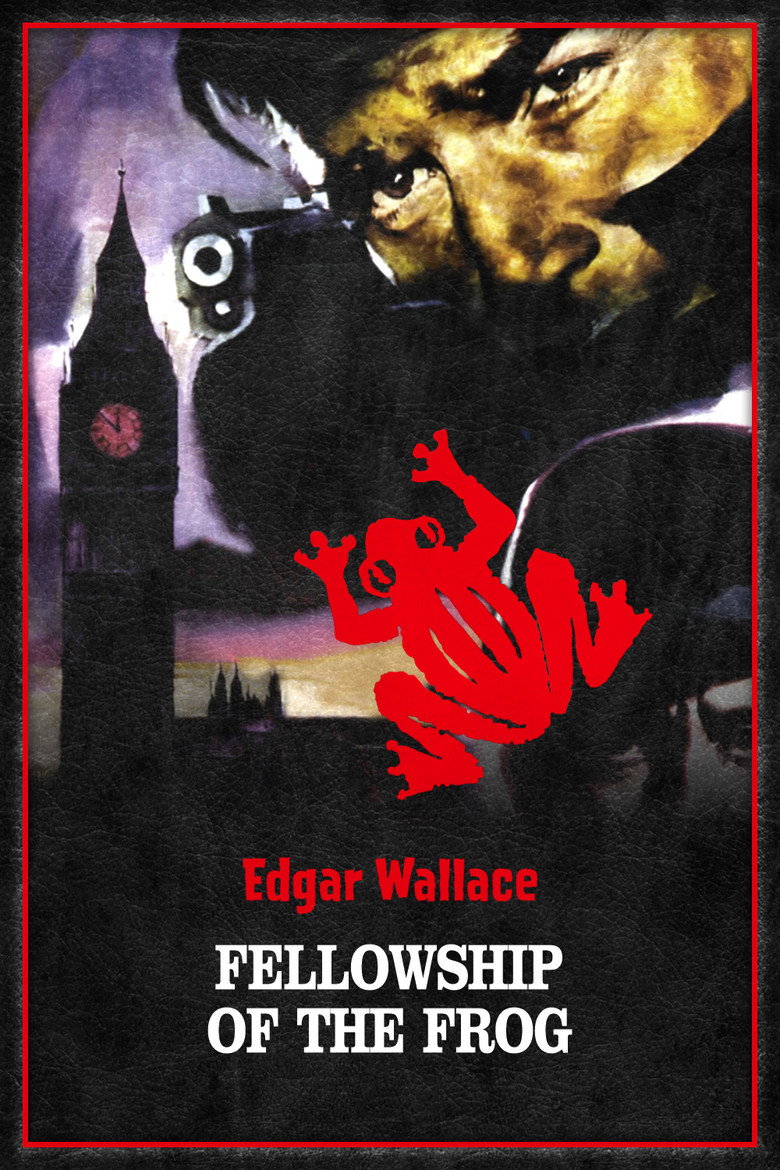
1959
Director
Harald Reinl
Runtime
89 minutes
Average Rating
No ratings yetSynopsis
Both Scotland Yard and an amateur American sleuth are tracking a master criminal known as The Frog. This moniker refers to the bulging-eyed mask worn by the evildoer, and is reflected by the frog icons painfully tatooed onto the forearms of his henchmen. The trail leads to the country manor of an enigmatic, steely-eyed nabob, whose repressed son has eyes for the artistes at the Lolita cabaret, and whose lovely daughter captures the fancy of both the American playboy and the villain himself. Murder, kidnapping and seduction ensue.
Overall Score
Limited
Category Breakdown
LGBTQ+ Representation
The film adheres to a conventional mid-century mystery framework. Romantic interests are centered on heteronormative dynamics, specifically the pursuit of a daughter by the protagonist and antagonist.
Gender Representation
Women function primarily as objects of desire or catalysts for male motivation. While a patriarchal figure holds authority, female characters are relegated to roles of romantic interests or victims.
Racial & Ethnic Diversity
The narrative suggests a predominantly Western, Eurocentric cast centered around a country manor and an American playboy. There is no indication of intersectional racial depth or non-white characters.
Religious & Cultural Diversity
The story focuses on individual villainy and classical suspense rather than systemic critique. It upholds established social orders through themes of murder, kidnapping, and seduction.
Disability Representation
No characters with visible or invisible disabilities are present. The antagonist's bulging-eyed mask serves as a theatrical device for villainy rather than a nuanced portrayal of a condition.
Strengths
Areas for Improvement
AI Analysis
Harald Reinl’s crime-thriller is a quintessential product of its era, prioritizing genre tropes and traditional moral dichotomies over social subversion. The narrative relies on established mid-century structures that reinforce existing hierarchies. Representation is minimal across all categories. The film focuses on heteronormative romance, patriarchal authority, and Eurocentric social structures, offering little room for diverse identities or systemic critique. Ultimately, the work functions as a standard genre piece. It maintains the social and gendered norms of the late 1950s without attempting to disrupt or deconstruct them.
1961
1962
1955
1938
1952
1955
1965
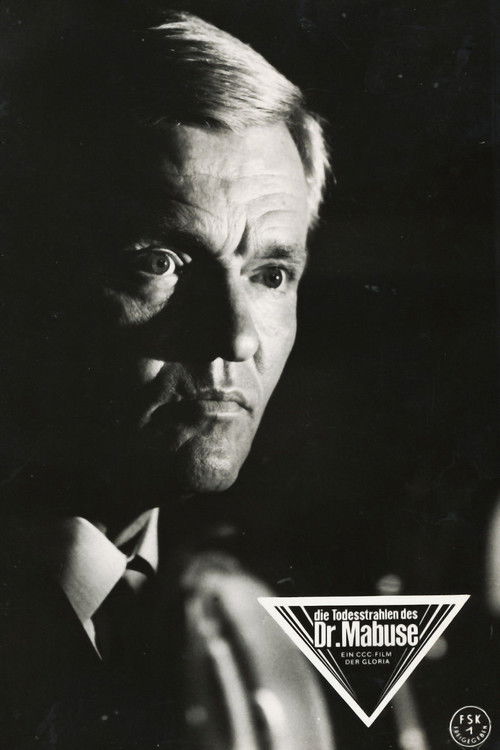
1964
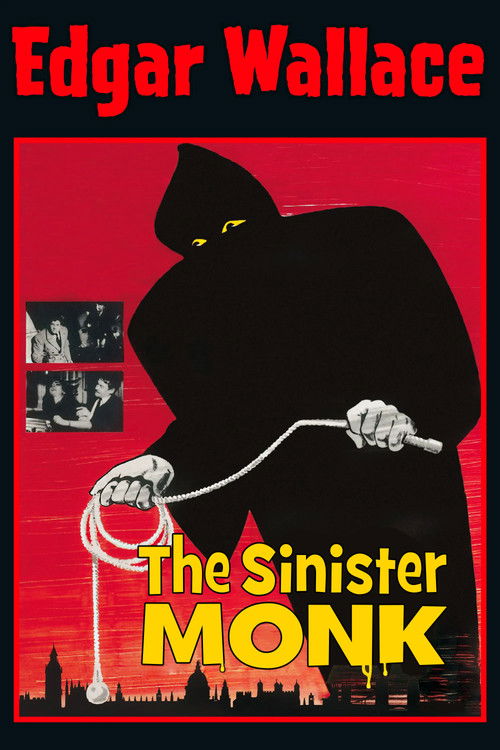
1965
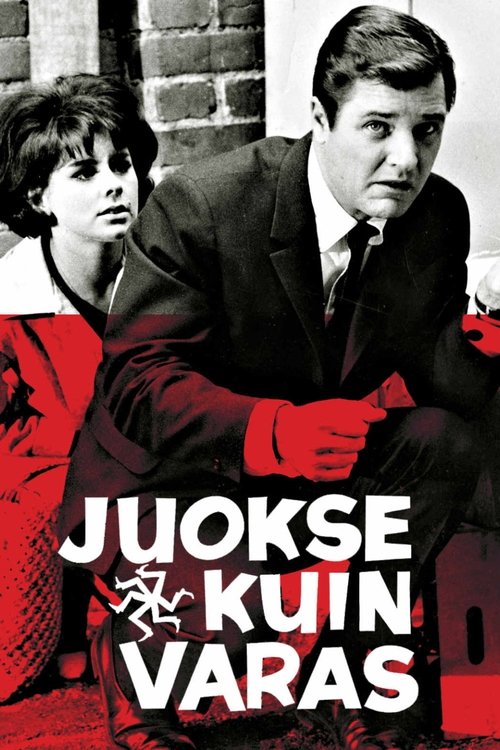
1964
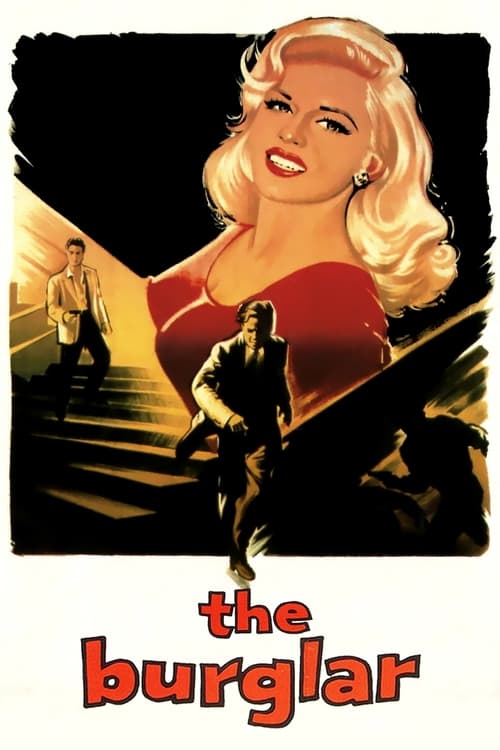
1957
1950
No reviews yet. Be the first to share your thoughts on this movie!
Use the rating form above to leave a star rating and optional review.