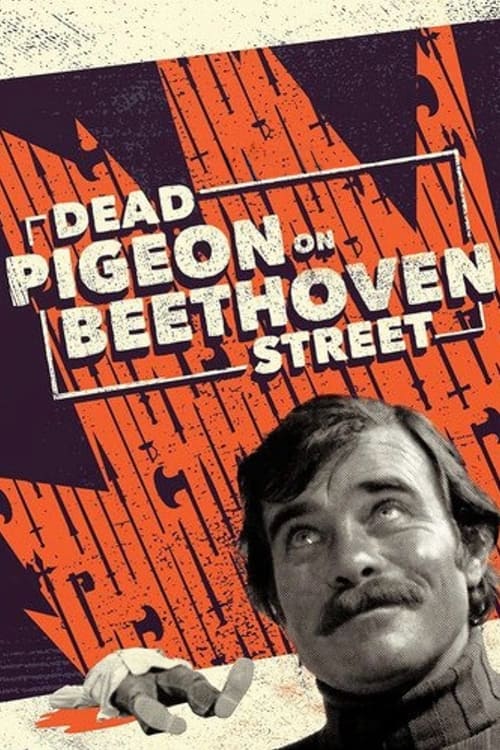
Dead Pigeon on Beethoven Street
1972
No user ratings available yet
Diversity score: 4.3 out of 10
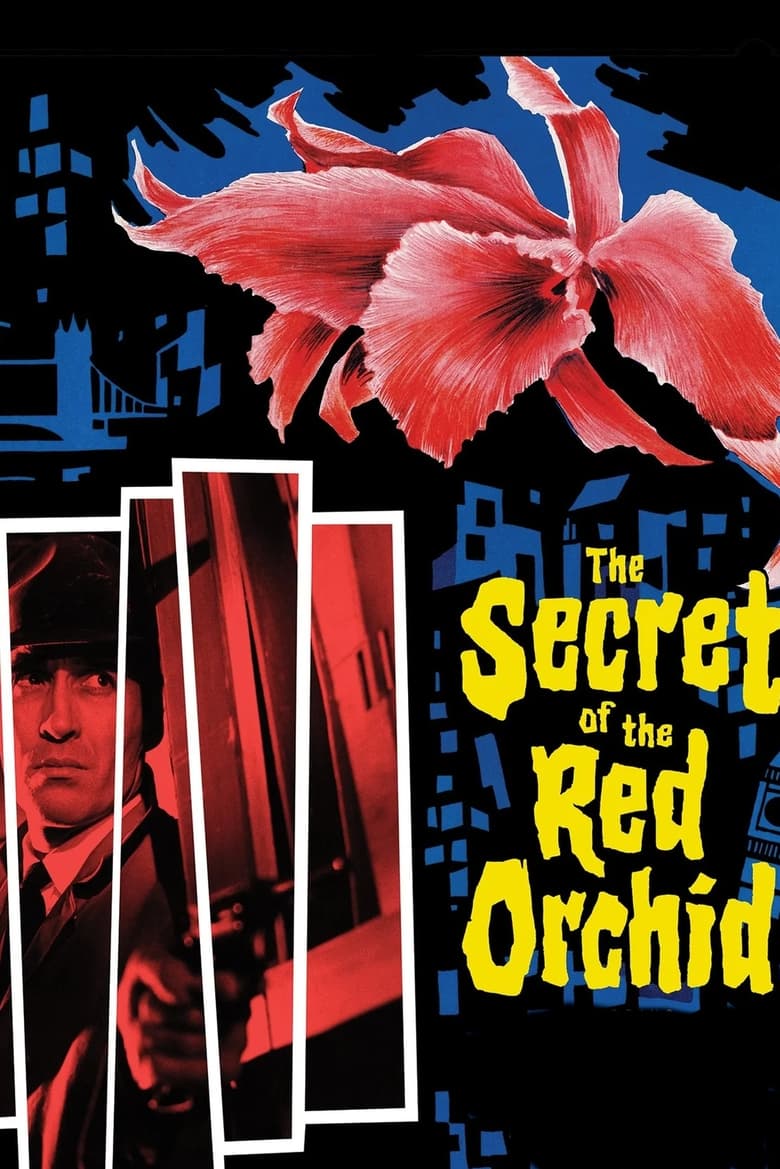
1962
Not RatedDirector
Helmut Ashley
Runtime
84 minutes
Average Rating
No ratings yetSynopsis
Rival gangsters from Chicago move to London and attempt to extort money from rich Britons.
Overall Score
Limited
Category Breakdown
LGBTQ+ Representation
The film lacks explicit non-cisnormative identities or narratives that critique heteronormativity. It follows a crime-driven plot without visible LGBTQ+ representation.
Gender Representation
The narrative focuses on rival gangsters and extortion, suggesting a structure that prioritizes masculine agency. It appears to adhere to conventional 1962 gender roles.
Racial & Ethnic Diversity
The conflict centers on class and criminal enterprise rather than racial intersectionality. There is no evidence of high-agency characters of color.
Religious & Cultural Diversity
The story explores the disruption of British social stability by American gangsters. It functions within a standard morality framework rather than deconstructing institutions.
Disability Representation
There is no mention of characters with visible or invisible disabilities within the narrative.
Strengths
Areas for Improvement
AI Analysis
Secret of the Red Orchid is a conventional 1962 crime thriller that relies on established genre tropes. The plot focuses on the territorial movement of Chicago gangsters into London, prioritizing criminal rivalry and extortion over social complexity. The film lacks intersectional depth, adhering to the mid-century cinematic hierarchies of its era. It does not attempt to disrupt cultural norms or provide diverse character perspectives. Ultimately, the work serves as a standard genre piece where the primary tension is driven by class and international movement rather than identity-based storytelling.
No reviews yet. Be the first to share your thoughts on this movie!
Use the rating form above to leave a star rating and optional review.