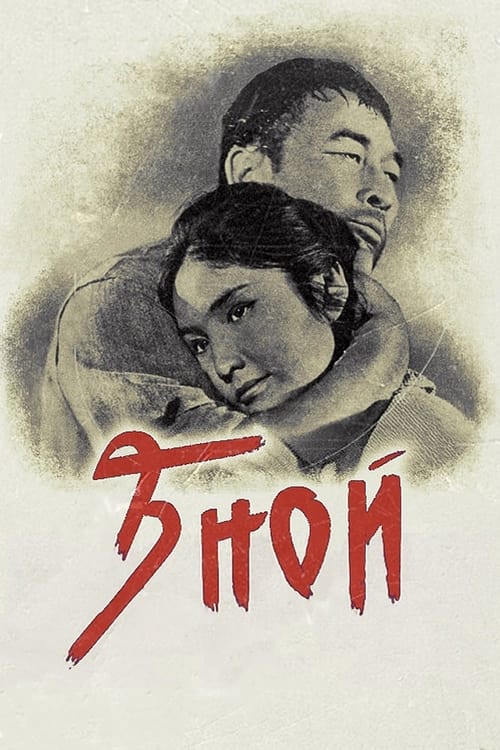
Heat
1963
No user ratings available yet
Representation score: 4.3 out of 10

Representation Score
Good
1969
Director
Sára Sándor
Runtime
84 minutes
Average Rating
No ratings yetNew Showbiz Analysis
The Upthrown Stone is a work of social realism that uses ethnic and class-based struggles to critique state authority. It excels in its portrayal of ethnic and racial diversity, moving beyond including someone from a minority group without giving them real depth to show how systemic oppression affects minority groups. While the film provides a sophisticated look at cultural and ethnic diversity, it offers limited representation of LGBTQ+ identities and non-straight-centered relationships. The focus remains largely on the political awakening of the male protagonist through his interactions with communal struggles. Ultimately, the film's strength lies in its anti-authoritarian framework. It effectively uses the lived realities of underrepresented peasants and ethnic minorities to challenge the legitimacy of corrupt state institutions.
Category Breakdown
The film does not explicitly depict LGBTQ+ identities or relationships outside of heterosexual norms. Instead, it focuses on familial bonds and community solidarity.
The story centers around a Greek widow who acts as a catalyst for the protagonist's social awakening. Her role subtly challenges traditional patriarchal structures through themes of shared loss.
The film features a Greek character and depicts the state-led roundup of Romani people. These identities highlight systemic exclusion and drive the protagonist's political growth.
The film critiques institutionalism by emphasizing collective morality over individualistic values. It portrays state authority and bureaucracy as oppressive forces against human dignity and peasant uprisings.
There are no visible or invisible disabilities portrayed within the narrative.
Present on Screen
Limited or Absent
Official Synopsis
An aspiring film student is denied a scholarship to the state-funded university when his father is thrown in jail. The man had stopped a train in order to facilitate the union between two old friends. The son then takes a job as a land surveyor and meets a Greek man who works towards the collective benefits of the peasants. The man is killed in a peasant uprising prompted by a bureaucratic boondoggle. The surveyor looks after the man's widow as his emerging political and social awareness leads him take a stand against government injustice. Another incident, in which gypsies are rounded up by state hygiene workers, further galvanizes the man's beliefs. He photographs the incident, and his work allows him to be accepted into the school from which he was previously denied admission.
1963
1971
1978
1930
1969
1970

1977

1973
No reviews yet. Be the first to share your thoughts on this movie!
Use the rating form above to leave a star rating and optional review.