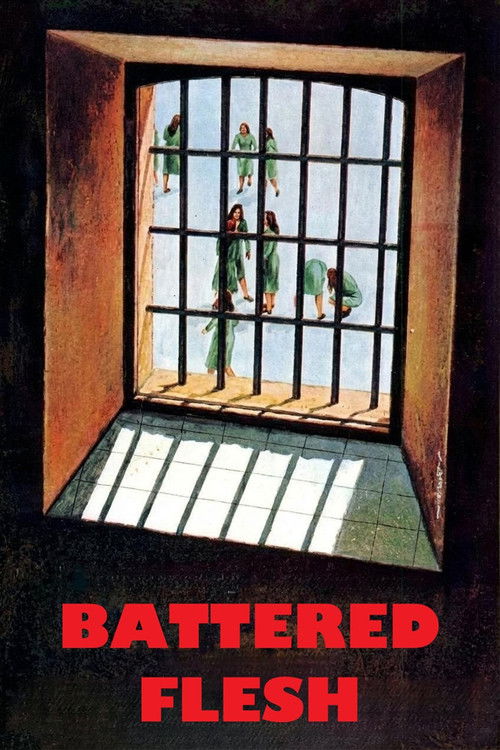
Battered Flesh
1978
No user ratings available yet
Diversity score: 6.5 out of 10

1983
Director
Antonio José Betancor
Runtime
90 minutes
Average Rating
No ratings yetSynopsis
In 1939, José Garcés is in French prison camp after the defeat of Spain's Republicans. To entertain and inspire his fellow prisoners, he tells the story of becoming a man in 1919, the year he realized that learning to live is the same as learning to die. His stiff and demanding father loses a fortune in German war bonds, takes a job in Caspe, and leaves José on his own in Zaragoza to finish high school while apprenticing in a pharmacy. José courts his beloved Valentina via letters, becomes intimate with Isabel, a maid he meets in a cinema who shares his ideas of free love, and comes under the influence of El Checa, an anarchist and gentle teacher who leads a doomed revolt.
Overall Score
Fair
Category Breakdown
LGBTQ+ Representation
The story focuses on heteronormative romance with Valentina and Isabel. However, Isabel’s embrace of free love offers a subtle disruption of traditional sexual mores and promotes sexual autonomy.
Gender Representation
The film challenges gender hierarchies by centering the protagonist's growth through female influence. Isabel acts as a catalyst for rejecting traditionalist constraints and rigid masculine dominance.
Racial & Ethnic Diversity
The cast reflects the demographic realities of early 20th-century Spain. The narrative emphasizes class-based solidarity and collective identity rather than specific multi-ethnic integration.
Religious & Cultural Diversity
The film critiques patriarchal families and capitalist structures. By including anarchist figures, it positions itself against systemic authority and traditionalist certainties.
Disability Representation
There is no evidence regarding the portrayal of physical or neurodivergent disabilities in the narrative.
Strengths
Areas for Improvement
AI Analysis
The film excels at subverting traditional authority, using anarchist themes and the concept of free love to challenge established social hierarchies. It moves beyond simple historical retelling to explore personal liberation. However, the narrative remains largely centered on heteronormative romantic arcs. While it explores sexual autonomy, it lacks explicit representation of non-cisnormative identities. Ultimately, the work is a philosophical exploration of identity against political upheaval, prioritizing intellectual and moral evolution over traditionalist tropes.
1978

2017
1929
2002

2010

2022

1917

2005

2002

1978

2003

1969
No reviews yet. Be the first to share your thoughts on this movie!
Use the rating form above to leave a star rating and optional review.